


Outdoor living spaces are no longer just a summer luxury. Homeowners today want outdoor environments that can be enjoyed throughout the entire year. From cozy winter evenings around a fire feature to shaded summer afternoons under a pergola, a well-designed outdoor space should adapt to every season.
Designing a multi-functional outdoor area requires thoughtful planning, strategic layouts, and the right combination of materials and features. When done correctly, these spaces extend a home’s living area, increase property value, and provide year-round enjoyment.
In this guide, we’ll explore how contractors and designers can create outdoor environments that perform beautifully in every season.
Start With a Flexible Outdoor Layout
The foundation of a multi-functional outdoor space begins with the layout. Instead of designing a backyard with a single purpose, successful outdoor environments are divided into intentional zones.
These zones may include:
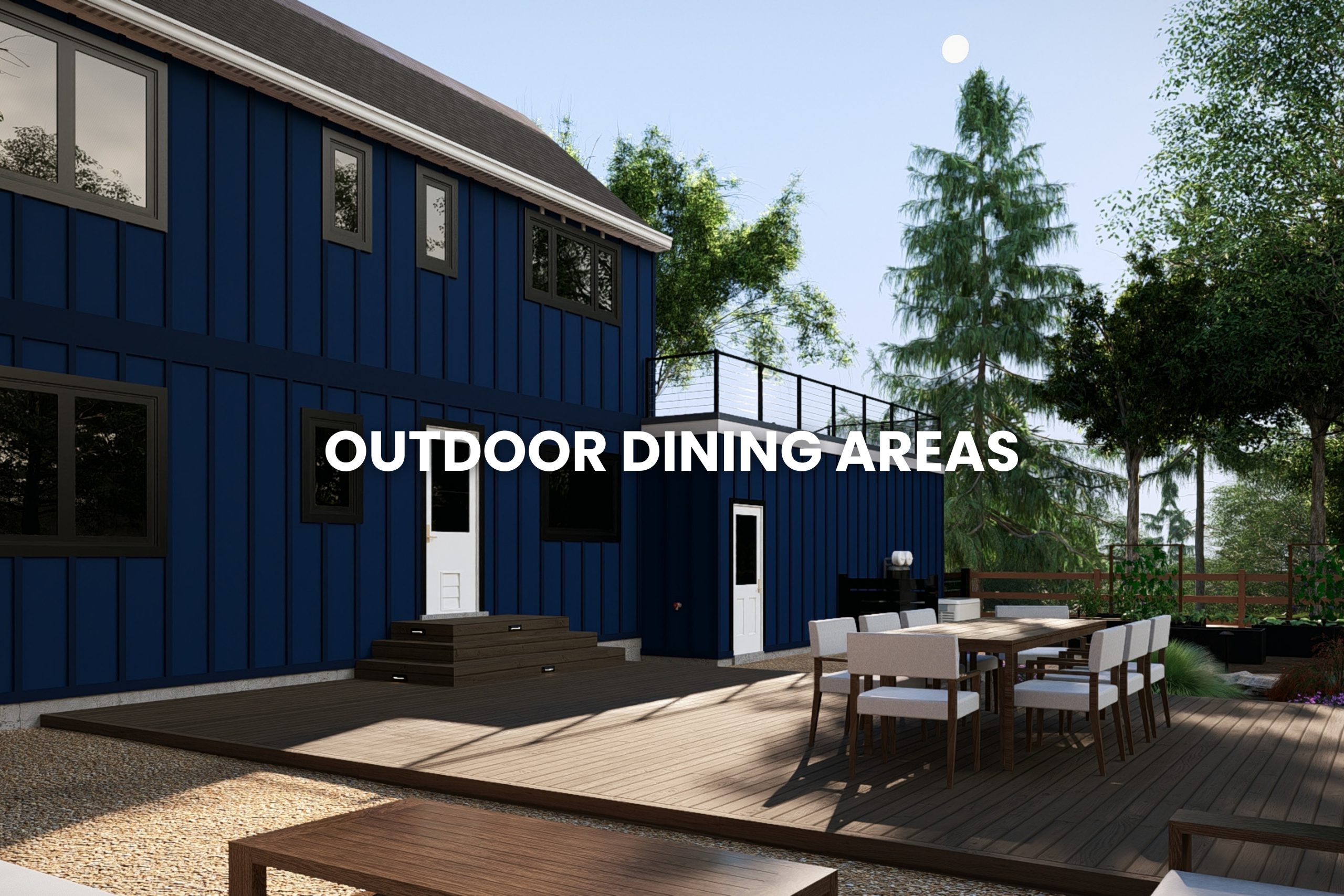


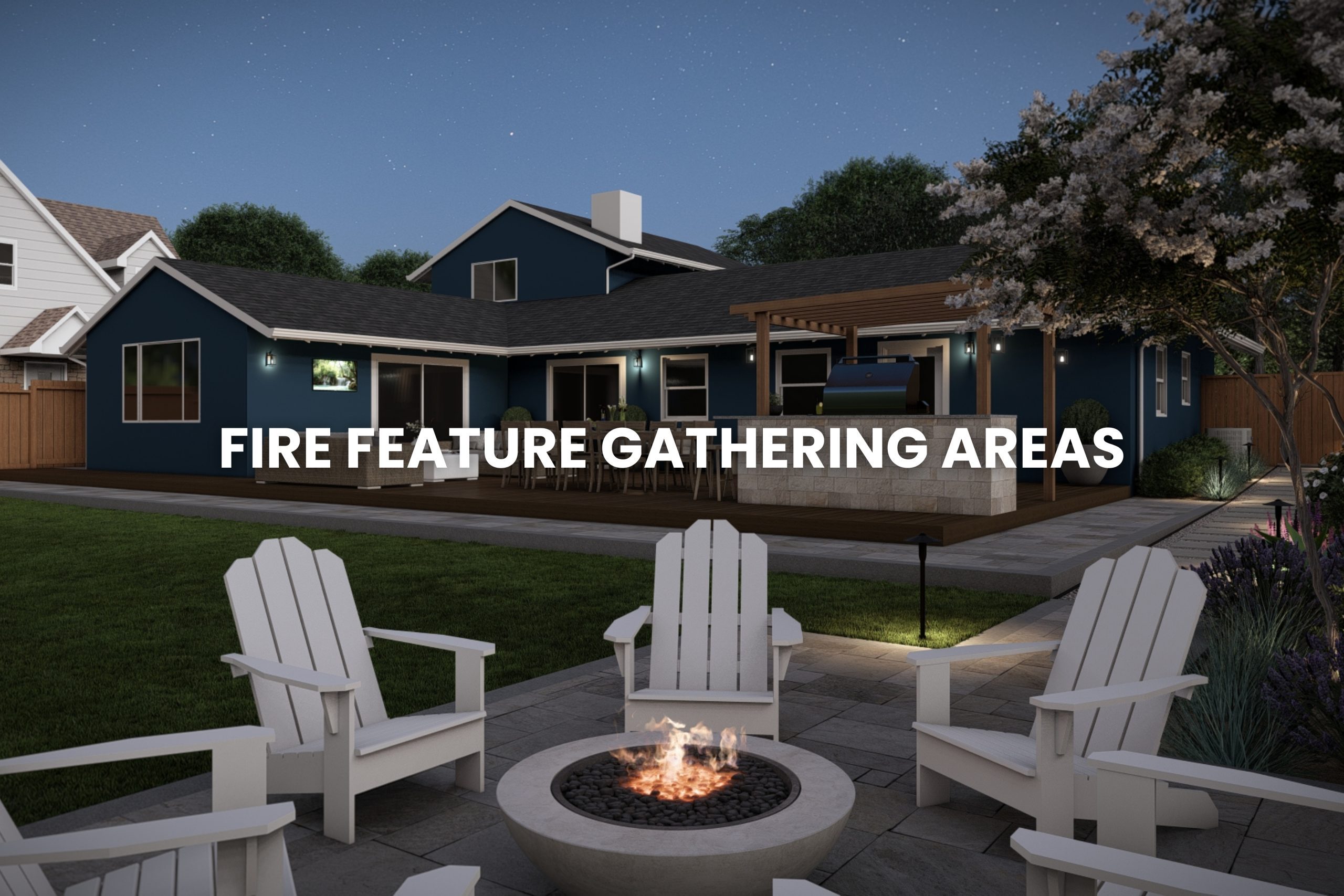
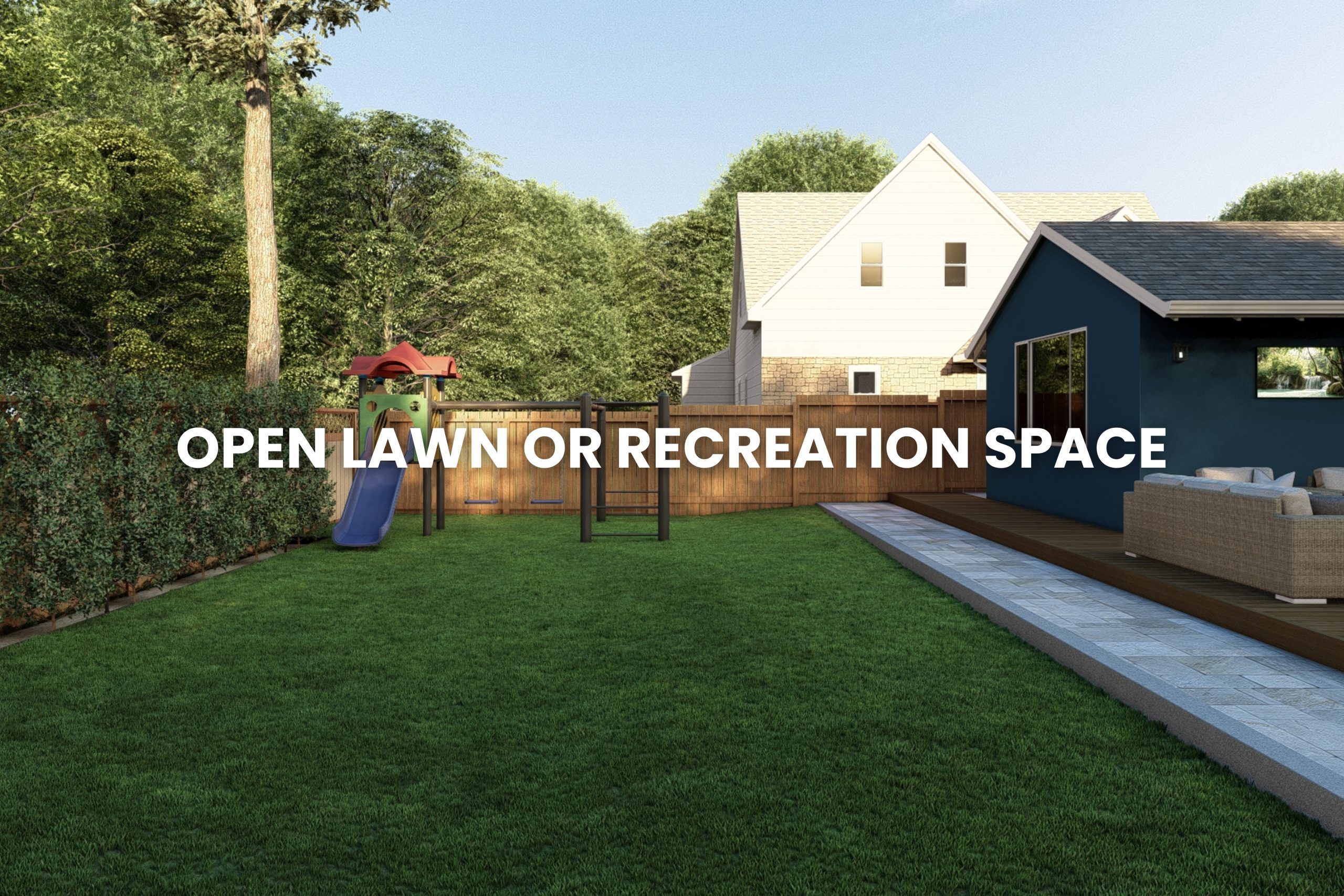
By creating multiple zones, the space becomes adaptable. For example, a patio that serves as a dining space during the summer can easily transition into a cozy gathering area around a fire pit during cooler months.
Good layout planning also improves traffic flow and allows homeowners to use different parts of the yard simultaneously.
Use Outdoor Heating Solutions
Beyond fire features, many modern outdoor spaces incorporate additional heating solutions to maximize year-round comfort. Options may include:
- Infrared patio heaters
- Built-in overhead heaters
- Heated flooring systems
- Enclosed outdoor rooms with heaters
These additions allow homeowners to enjoy their outdoor environments even in cooler climates, making the space far more functional throughout the year.
Use Lighting to Extend Evening Use
Lighting design plays a crucial role in making outdoor spaces functional after sunset.
A thoughtful lighting plan enhances safety, highlights architectural features, and creates a welcoming atmosphere. Common outdoor lighting elements include:
- Path lighting
- Accent lighting for plants and walls
- Step lighting
- Under-cap wall lighting
- String lighting for ambiance
- Integrated lighting in pergolas and structures
Good lighting ensures that outdoor spaces remain usable long after the sun goes down.
Incorporate Weather-Adaptive Structures
One of the most effective ways to make outdoor spaces usable year-round is through structural elements that provide protection from the elements.
Popular structures include:
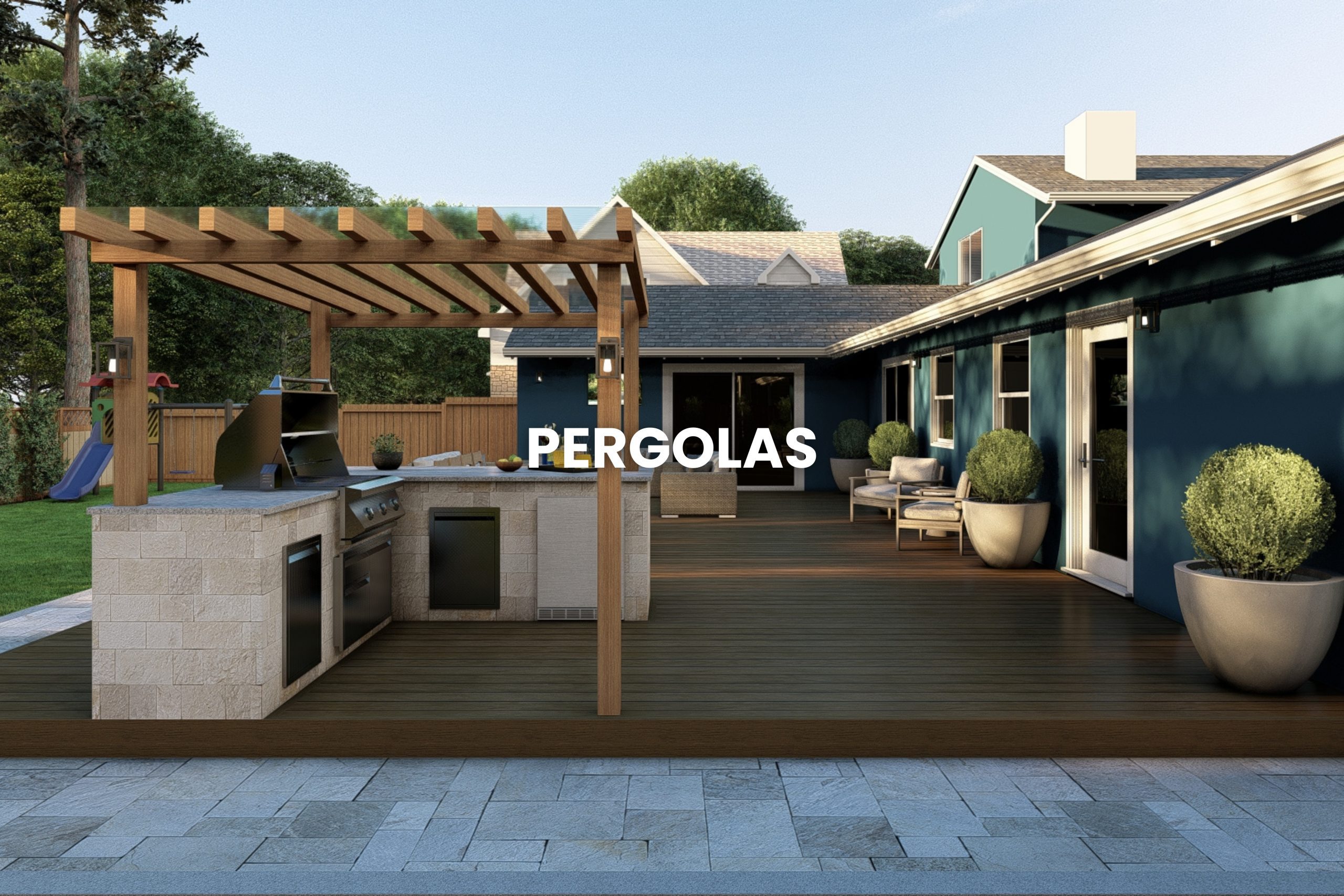

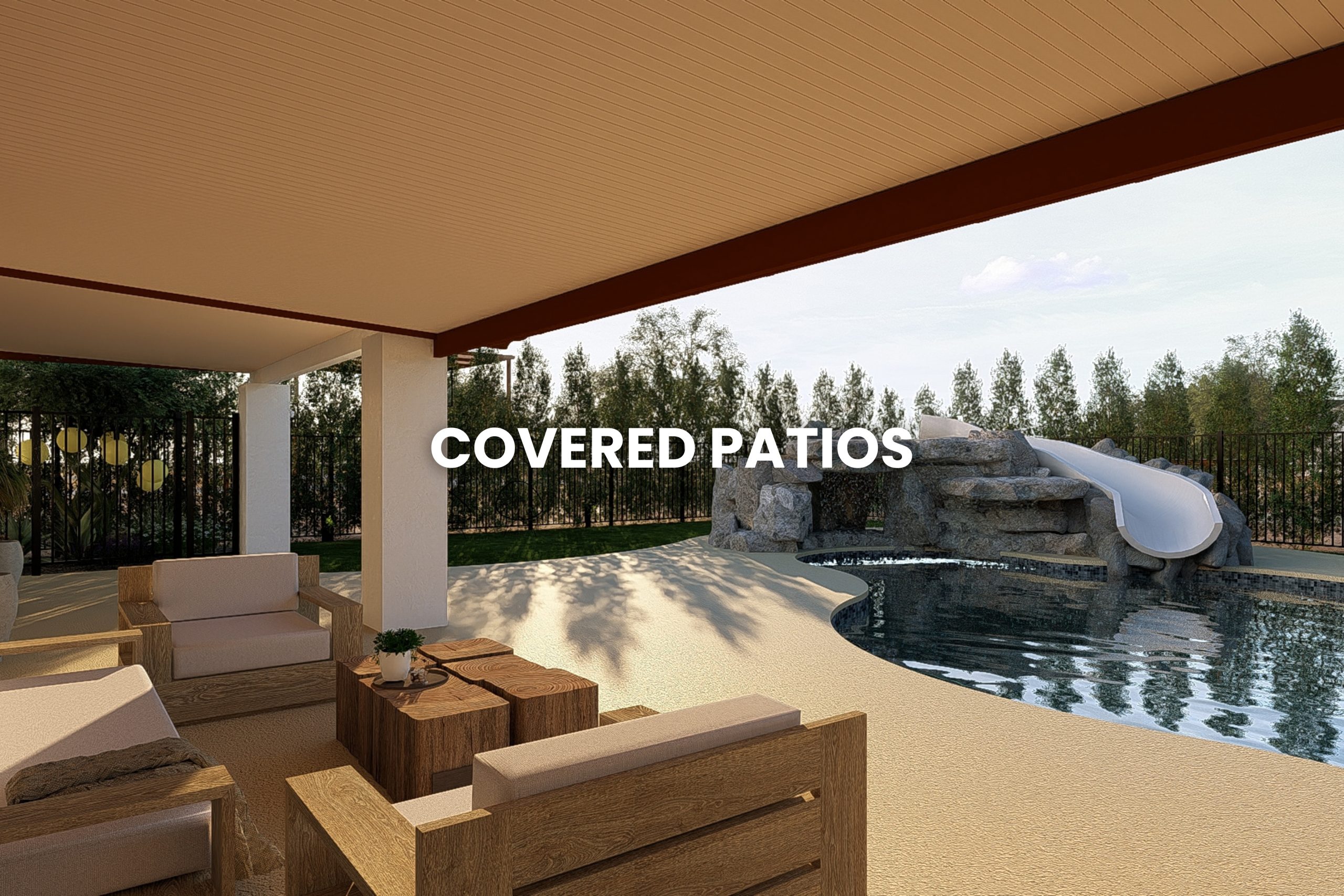
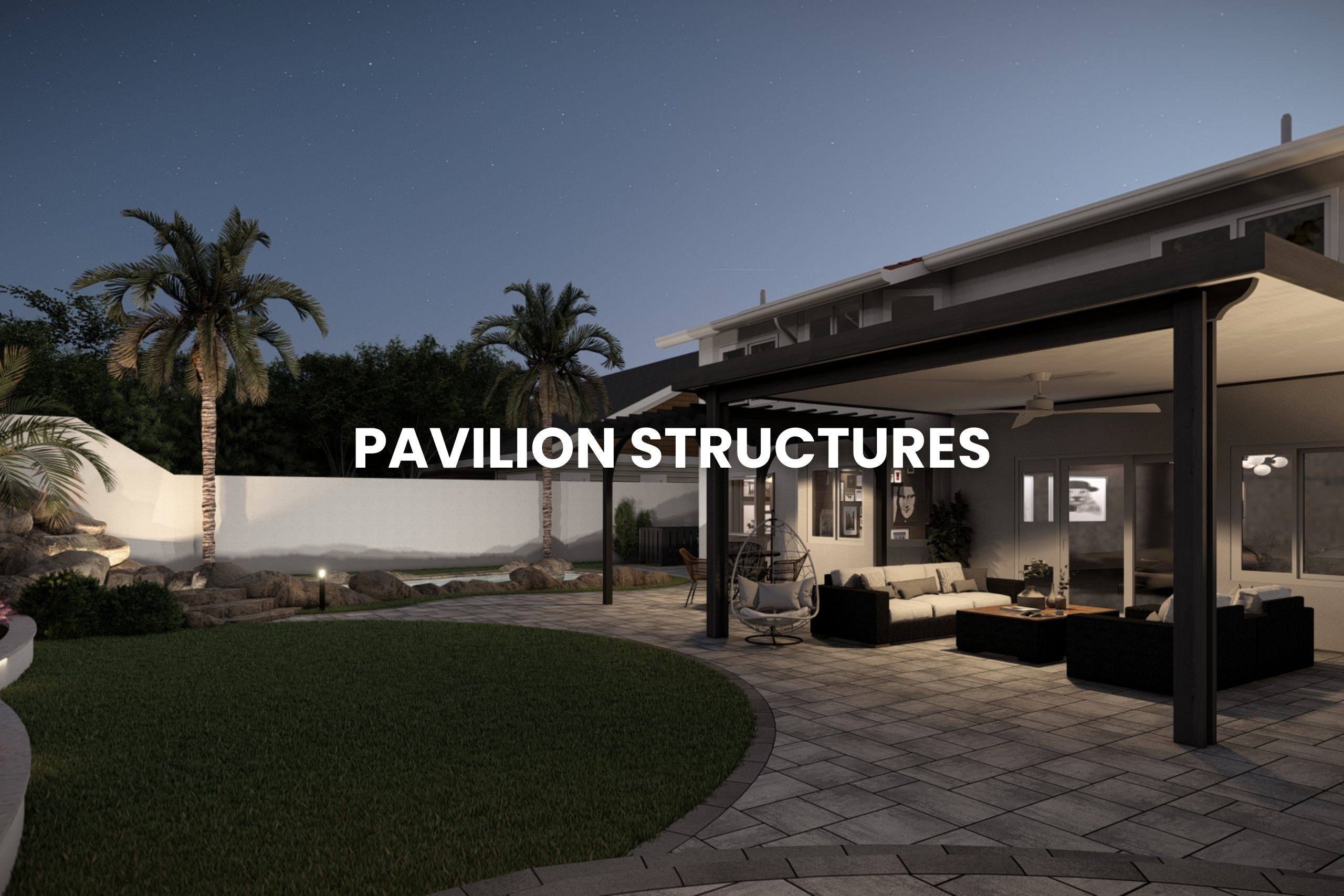
These features provide shade during hot summer months while also offering protection from rain and wind during colder seasons.
Modern pergola systems can even include adjustable louvers, integrated lighting, and motorized screens, allowing homeowners to easily adapt the environment to changing weather conditions.
Design for Shade and Cooling
Just as warmth is important in winter, cooling solutions are essential for summer comfort. Shaded environments help regulate temperature and make outdoor areas far more enjoyable during peak heat.
Cooling strategies include:
- Pergolas with climbing plants or shade canopies
- Large umbrellas
- Shade sails
- Strategic tree placement
- Outdoor ceiling fans
- Misting systems
When shade is combined with natural airflow, outdoor areas can remain comfortable even during the hottest months of the year.
Integrate Outdoor Kitchens and Dining Spaces
Outdoor kitchens transform a backyard into a complete entertainment environment.
Instead of simply grilling outdoors, homeowners can cook, serve, and gather without needing to move back and forth between the indoor kitchen and the yard. Outdoor kitchen features often include:
- Built-in grills
- Pizza ovens
- Refrigeration
- Prep counters
- Bar seating
- Outdoor sinks
When paired with a nearby dining area, these spaces become the centerpiece of outdoor entertaining throughout the year.
Add Fire Features for Cold Weather Comfort
Fire features are one of the most powerful elements for extending outdoor usability into fall and winter. They create warmth, ambiance, and a natural gathering point for family and guests.
Common fire features include:
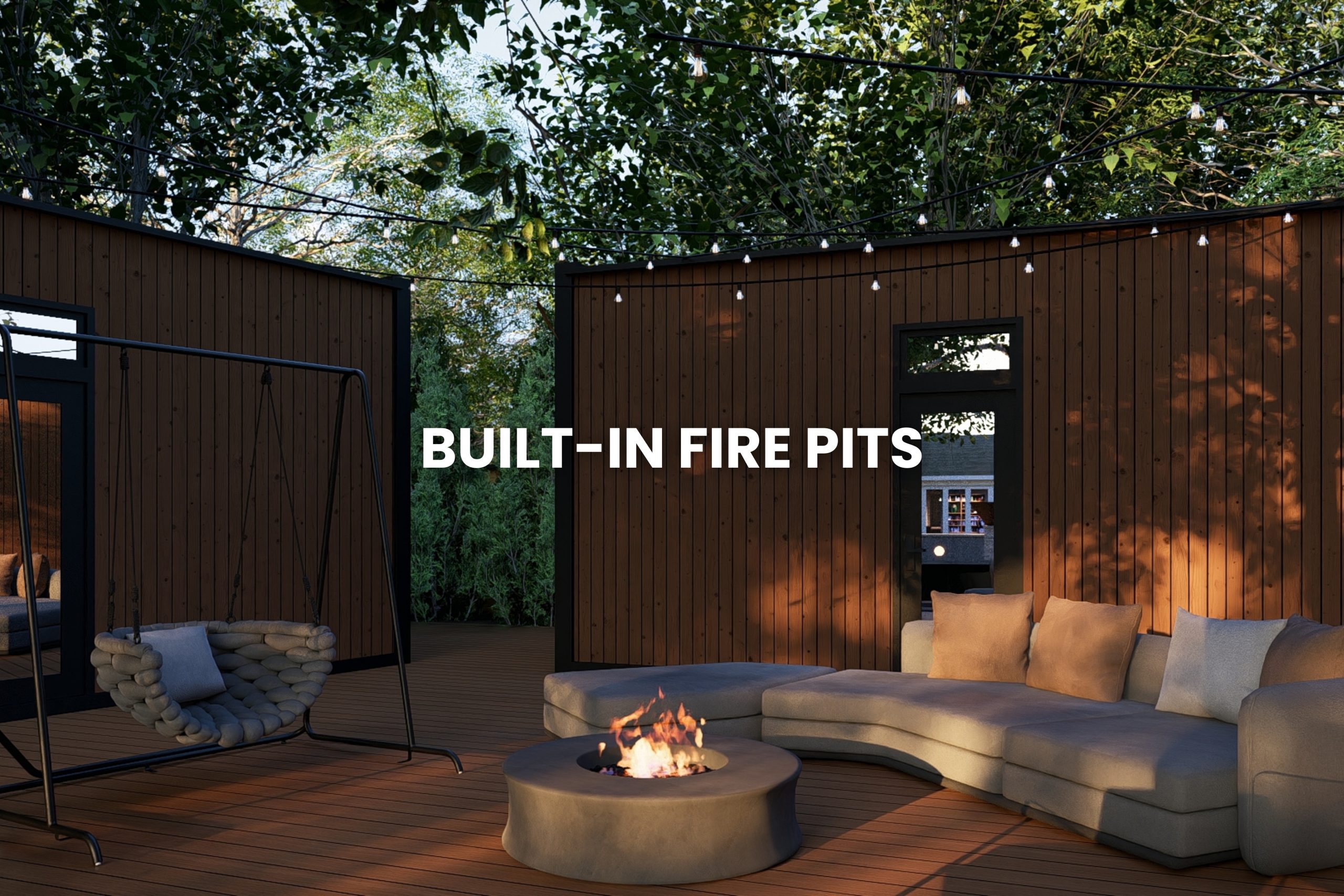
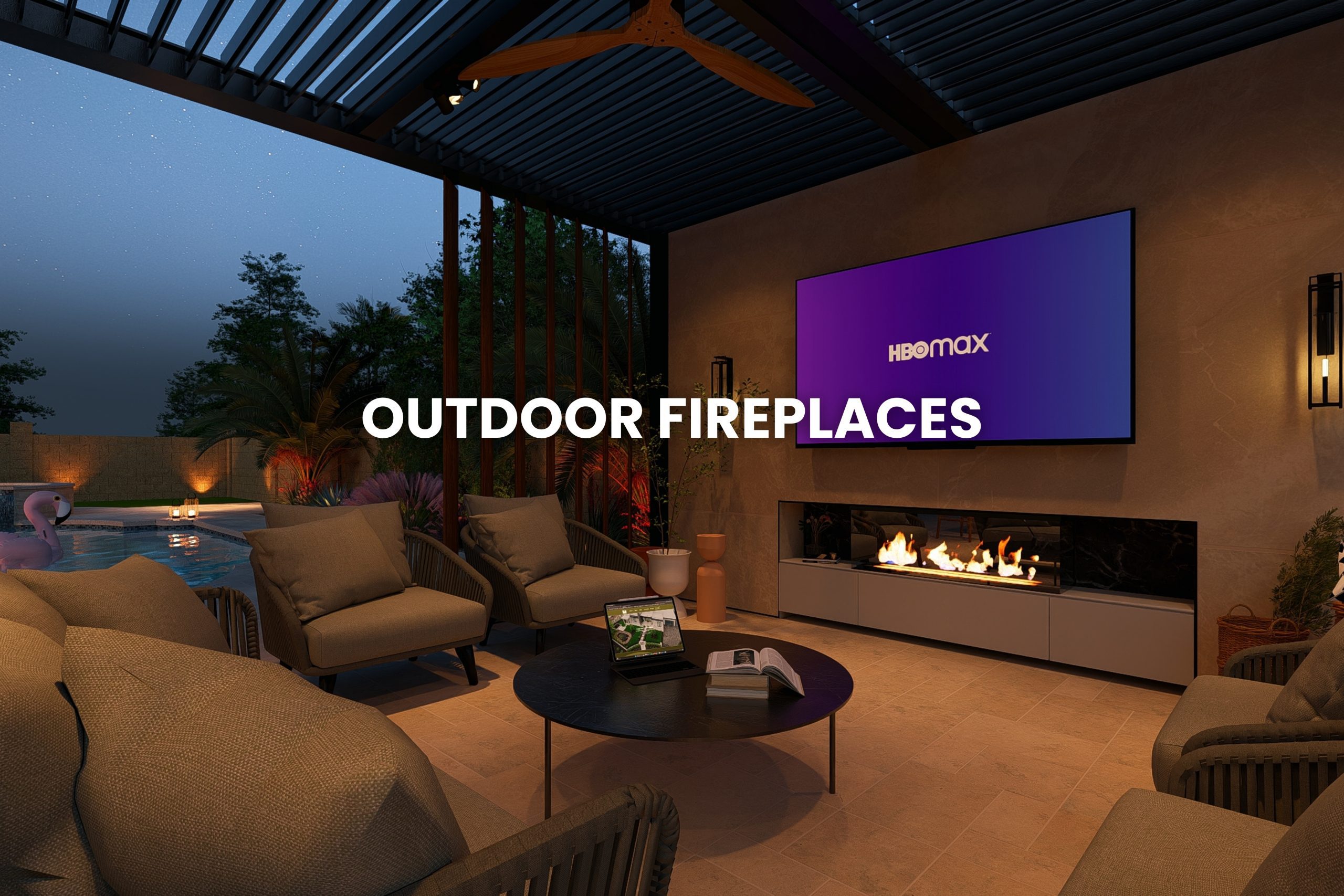
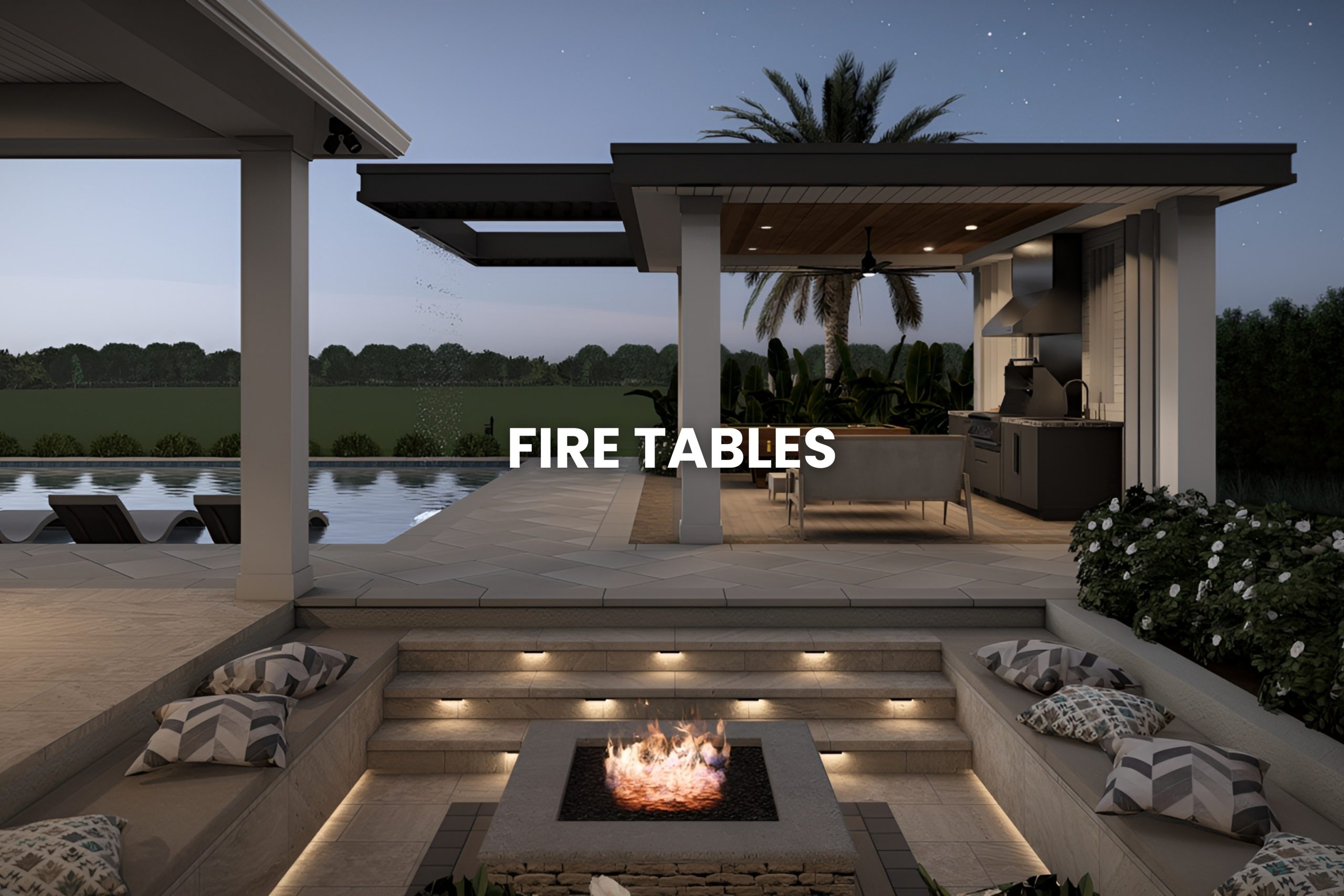

Strategically placing seating around these elements transforms an outdoor space into a comfortable retreat even when temperatures drop.
Fire features also add visual interest and elevate the luxury feel of a backyard design.
Incorporate Landscaping for Seasonal Interest
Plant selection is another important factor when designing outdoor environments that remain visually appealing throughout the year. A well-designed landscape includes a mix of plants that provide interest across different seasons.
This may include:
- Evergreen plants for winter structure
- Flowering plants for spring color
- Lush greenery for summer
- Ornamental grasses and foliage for fall texture
Layering plants with different bloom cycles ensures the landscape never feels empty or dormant.
Choose Durable All-Season Materials
Multi-season outdoor spaces must be built using materials that can withstand changing weather conditions. Durable materials reduce maintenance while maintaining a high-end appearance. Popular materials include:
- Natural stone and porcelain pavers
- Concrete pavers
- Composite decking
- Powder-coated aluminum structures
- Weather-resistant outdoor furniture
- Performance outdoor fabrics
Choosing the right materials ensures the outdoor space continues to perform beautifully year after year.
The Future of Outdoor Living Design
As outdoor living continues to grow in popularity, homeowners expect their outdoor environments to function just like interior living spaces. They want spaces to cook, gather, relax, entertain, and unwind throughout the year.
Designers and contractors who embrace multi-functional outdoor design can deliver far greater value to their clients while creating environments that truly enhance daily living.
With thoughtful planning, the right features, and strategic material selection, an outdoor space can become a year-round destination for comfort, connection, and unforgettable experiences.
Final Thoughts
Designing multi-functional outdoor areas that serve every season requires more than simply adding a patio or fire pit. It involves creating an intentional outdoor environment that adapts to weather, lifestyle, and entertainment needs.
By combining flexible layouts, weather-adaptive structures, heating and cooling solutions, and thoughtful landscaping, designers can transform ordinary backyards into extraordinary outdoor living spaces that homeowners enjoy all year long.