


Outdoor living spaces are no longer designed for just one season. Today’s homeowners want backyards that feel comfortable, functional, and beautiful throughout the entire year. Whether it is warm summer evenings, crisp fall nights, or cool winter mornings, a well designed outdoor space can adapt to every season.
For contractors and designers, the key is creating flexible outdoor environments that transition naturally through changing weather conditions. By combining smart layout planning, durable materials, and adaptable features, you can create outdoor spaces that deliver value every month of the year.
This guide explores seasonal outdoor design tips that help homeowners enjoy their outdoor spaces year round.
Design for Flexible Outdoor Living
The most successful outdoor spaces are designed with flexibility in mind. Instead of building areas that only serve one purpose, designers should create zones that can easily adapt as the seasons change.
For example, a patio used for summer dining can also function as a fall gathering space with the addition of heating features and layered lighting. Covered pergolas or pavilion structures can provide shade during hot months and protection from rain or wind during colder seasons.
Design strategies that support year round flexibility include:
- Covered patios or pergolas for weather protection
- Modular outdoor furniture that can be rearranged easily
- Multi purpose seating areas that work for dining, lounging, or entertaining
- Retractable shade systems or screens
Flexible outdoor layouts allow homeowners to maximize their investment while maintaining comfort throughout the year.
Incorporate Heating Elements for Cold Seasons
One of the biggest barriers to year round outdoor living is temperature. Strategic heating solutions can dramatically extend the usability of outdoor spaces during fall and winter.
Fire features are one of the most popular options because they provide both warmth and visual appeal. Outdoor fireplaces, fire pits, and fire tables create natural gathering areas and make spaces feel inviting even when temperatures drop.
Additional heating solutions include:
- Infrared patio heaters
- Built in fireplaces
- Fire bowls or linear fire features
- Heated flooring systems in premium spaces
By integrating heating features during the design phase, outdoor spaces remain comfortable long after summer ends.
Use Lighting to Extend Outdoor Use
Lighting plays a critical role in making outdoor spaces functional year round. During fall and winter, daylight hours are shorter, so well designed lighting systems allow homeowners to enjoy their outdoor areas later into the evening.
Effective outdoor lighting should combine multiple layers, including:
- Path lighting for safety and navigation
- Accent lighting for landscape features
- Ambient lighting for seating and dining areas
- Task lighting for outdoor kitchens
Smart lighting systems can also adjust brightness and color temperature depending on the season, creating different atmospheres throughout the year.
Choose Durable Materials for Seasonal Weather
Outdoor materials must withstand changing weather conditions including heat, moisture, wind, and freezing temperatures. Choosing durable materials ensures that outdoor spaces maintain their appearance and structural integrity year after year.
Popular year round materials include:
- Natural stone pavers
- Porcelain outdoor tile
- Composite decking
- Powder coated aluminum furniture
- Weather resistant fabrics
These materials require minimal maintenance and perform well across a wide range of climates.
Plan Landscaping for Four Season Interest
A well designed landscape should look beautiful throughout every season, not just during spring and summer. By combining different plant varieties, designers can ensure visual interest all year long.
Four season planting strategies include:
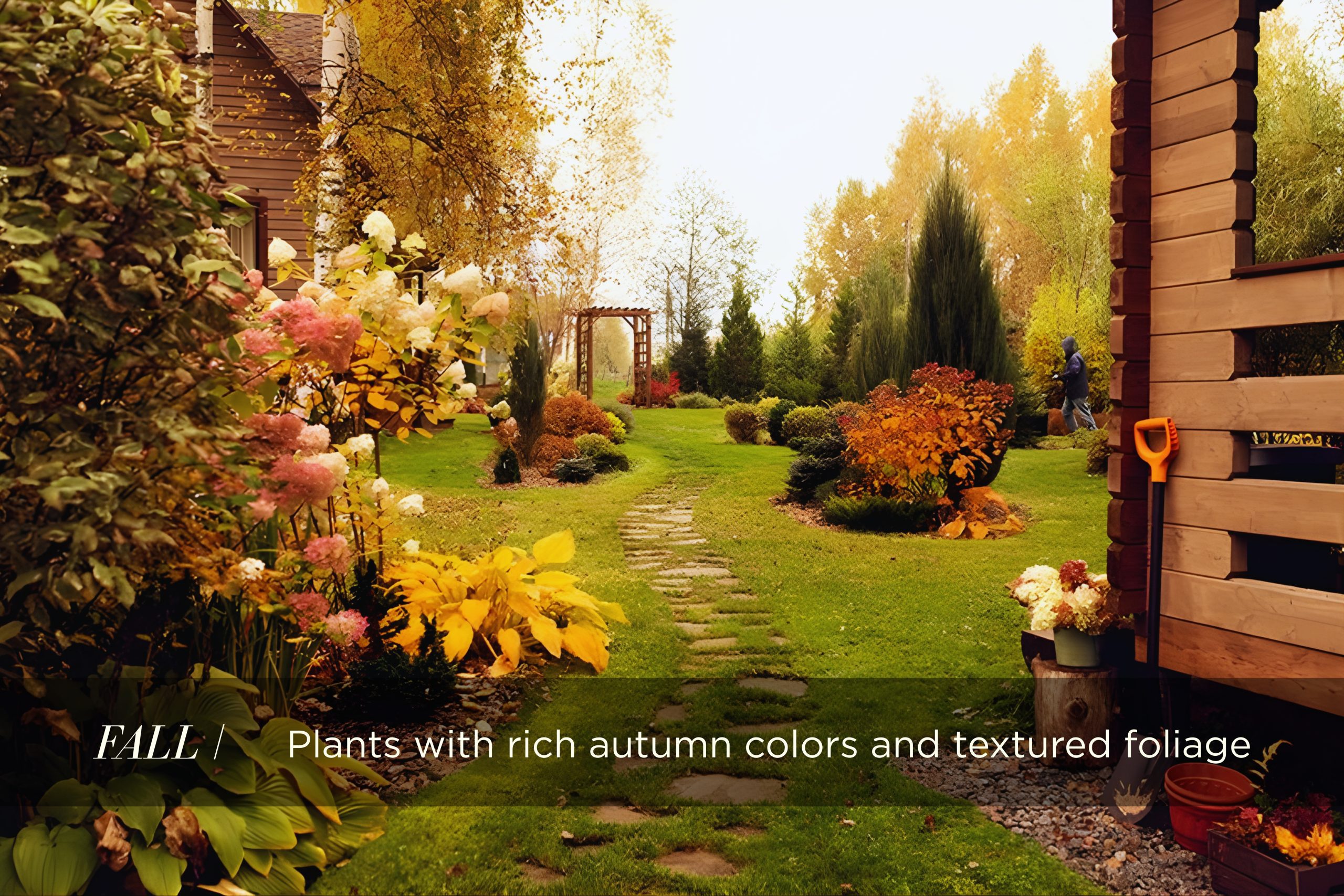
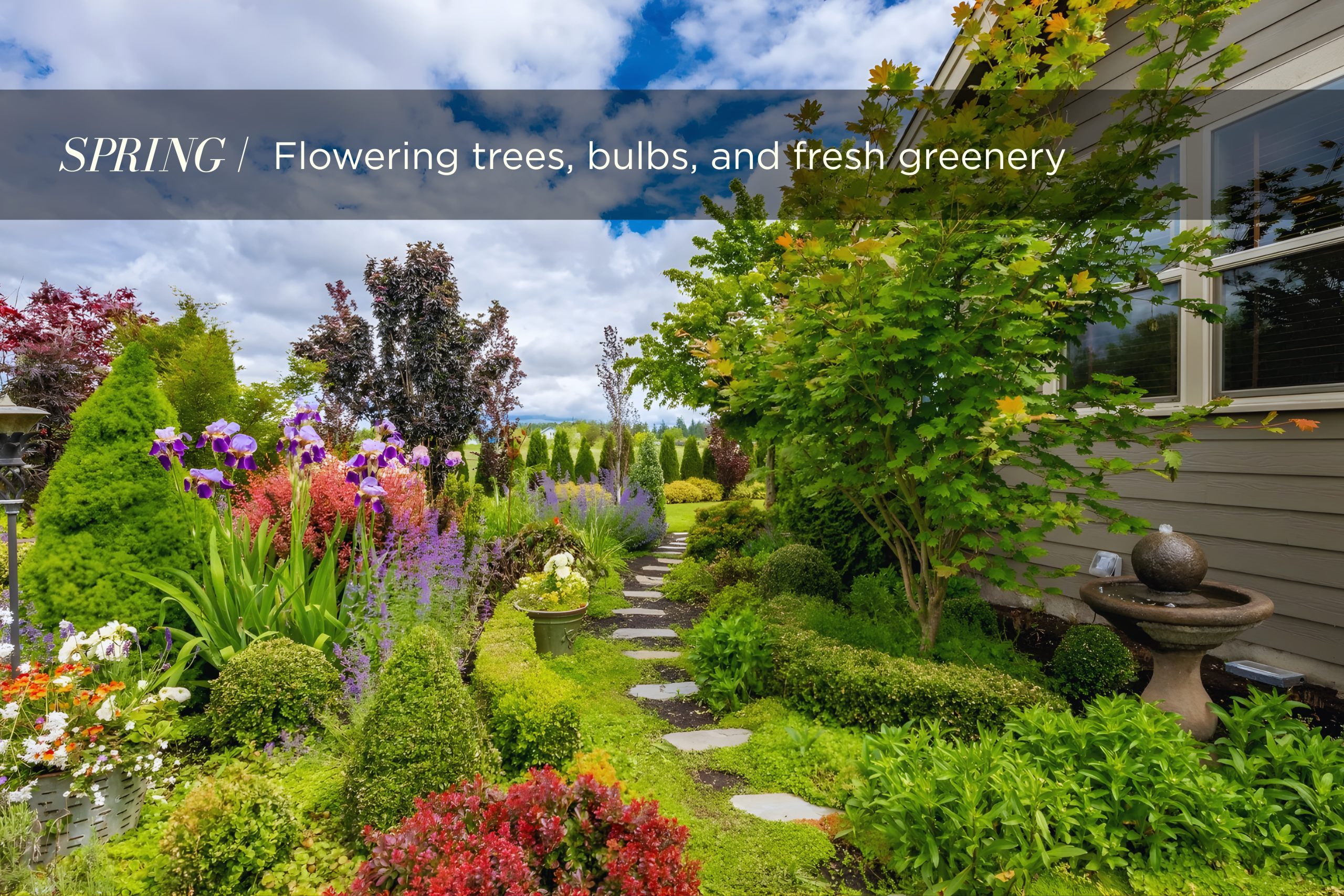
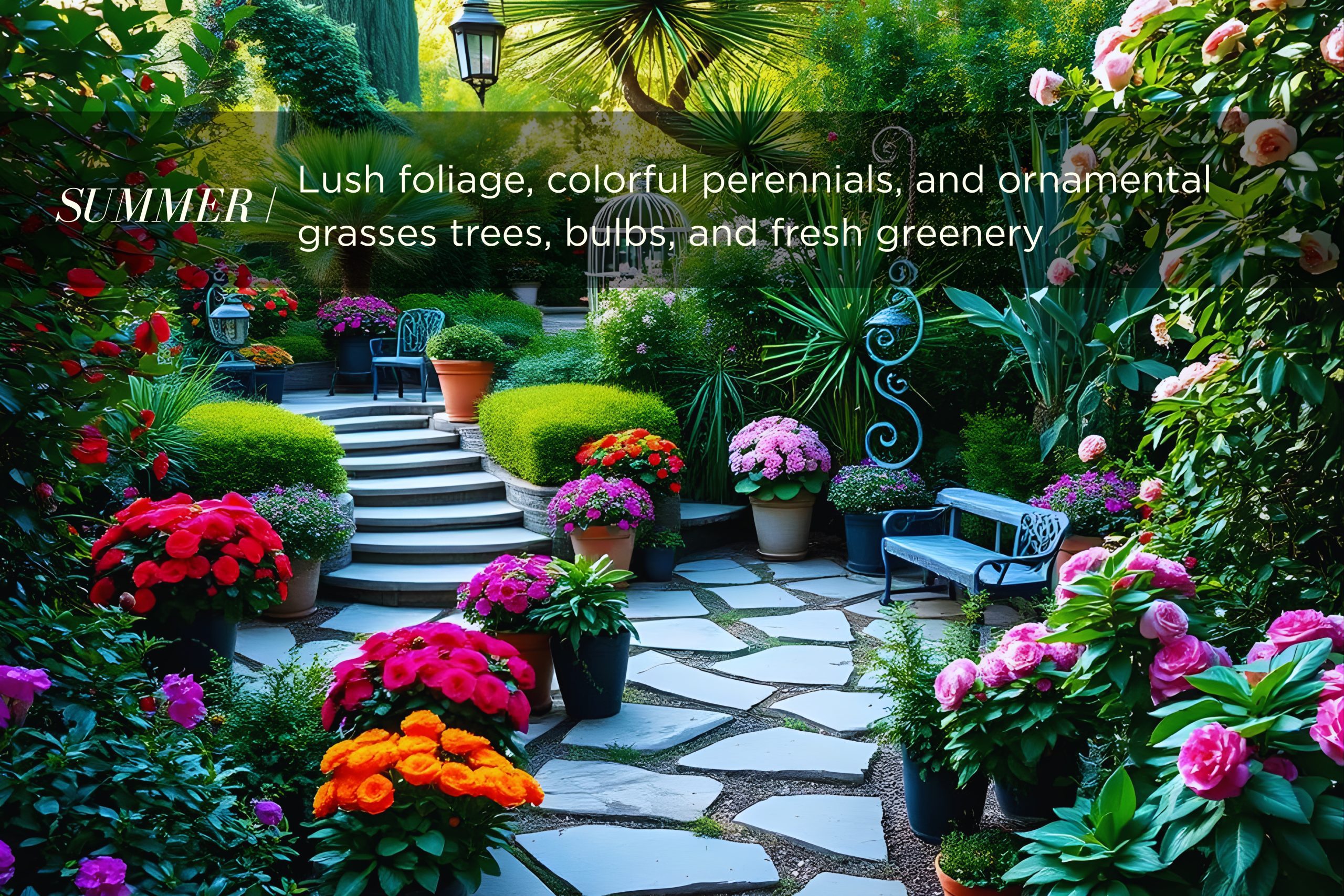
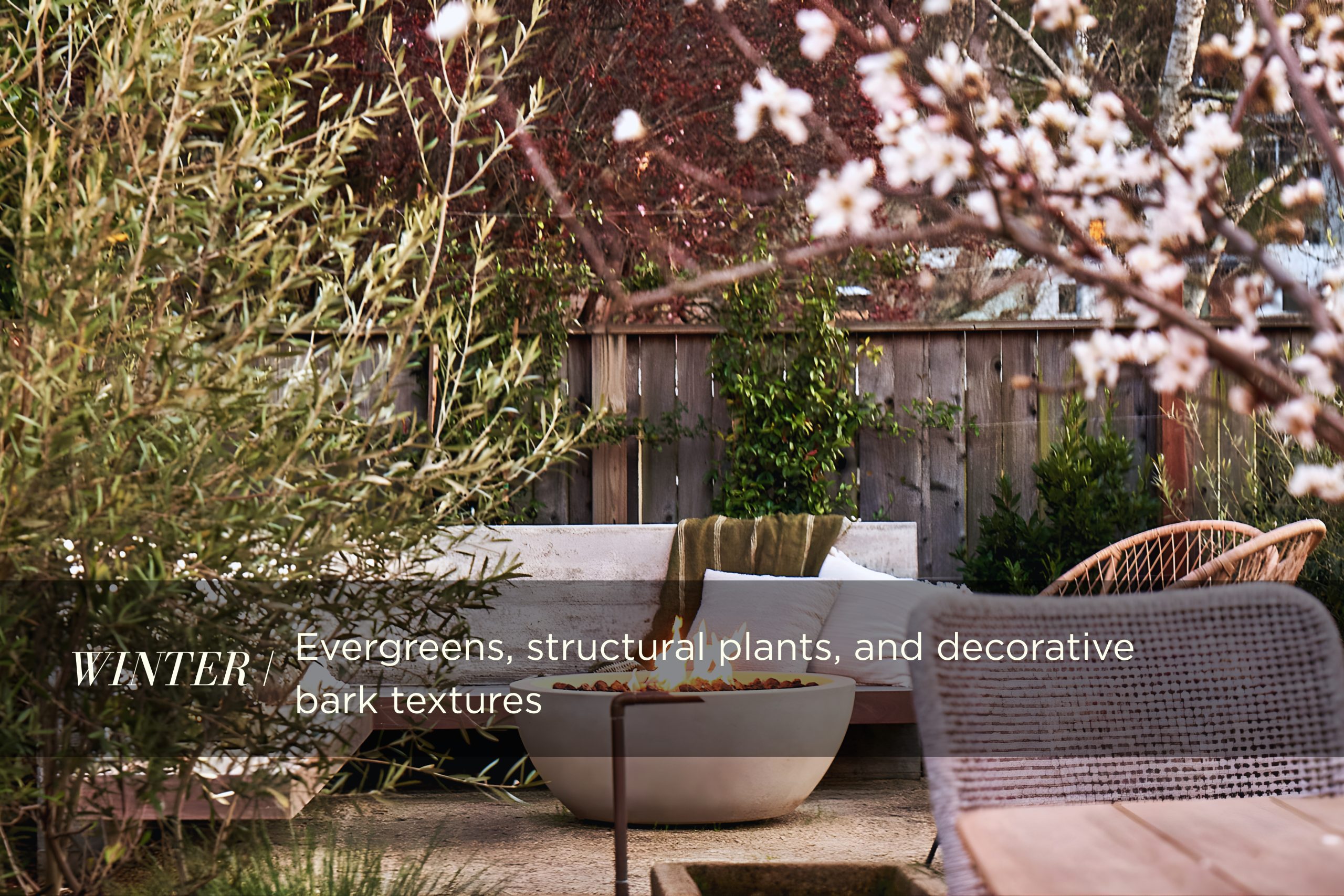
Layering plants with different bloom times and seasonal characteristics creates landscapes that remain visually engaging throughout the year.
Add Outdoor Structures for Comfort
Outdoor structures provide protection from weather conditions and make outdoor spaces usable in multiple seasons. Structures also help define zones within a backyard design.
Common outdoor structures include:
- Pergolas
- Pavilions
- Covered patios
- Outdoor kitchens with roof coverage
- Pool cabanas
These elements create comfortable microclimates that allow homeowners to enjoy outdoor living even during rain, wind, or strong sun.
Design for Seasonal Entertainment
Outdoor spaces are increasingly designed with entertainment in mind. Homeowners want spaces that accommodate everything from summer barbecues to fall gatherings and winter celebrations.
Features that support year round entertaining include:
- Outdoor kitchens and grilling stations
- Built in seating areas
- Beverage stations or bars
- Outdoor televisions
- Integrated sound systems
By designing spaces around social experiences, outdoor environments become a central part of the home in every season.
Why Year Round Outdoor Design Matters
Homeowners are investing more in their outdoor environments than ever before. When outdoor spaces function throughout the year, they provide greater lifestyle value and increase overall property appeal.
For contractors and designers, incorporating seasonal flexibility into outdoor plans can help improve client satisfaction, increase project value, extend usability of outdoor spaces, and deliver more functional designs.
Thoughtful design transforms outdoor spaces from seasonal patios into true extensions of the home.
Final Thoughts
Seasonal outdoor design is about more than adapting to weather. It is about creating outdoor environments that remain welcoming, functional, and visually appealing all year long.
By combining flexible layouts, heating solutions, layered lighting, durable materials, and strategic landscaping, designers can create outdoor spaces that homeowners enjoy in every season.
The best outdoor designs are not limited by the calendar. They evolve with the seasons and continue delivering comfort, beauty, and functionality throughout the entire year.