


Creating a beautiful outdoor space is not just about hardscapes, patios, or outdoor kitchens. The real magic often comes from thoughtful planting design. When done right, planting transforms a yard into a living, breathing extension of the home. It adds color, texture, privacy, and personality.
Whether you are a homeowner planning your own landscape or working with a professional design team, these outdoor planting design tips will help you create a space that feels intentional, timeless, and truly enjoyable.
1. Start With a Clear Planting Vision
Before choosing plants, define the overall style of your outdoor space. Do you want:
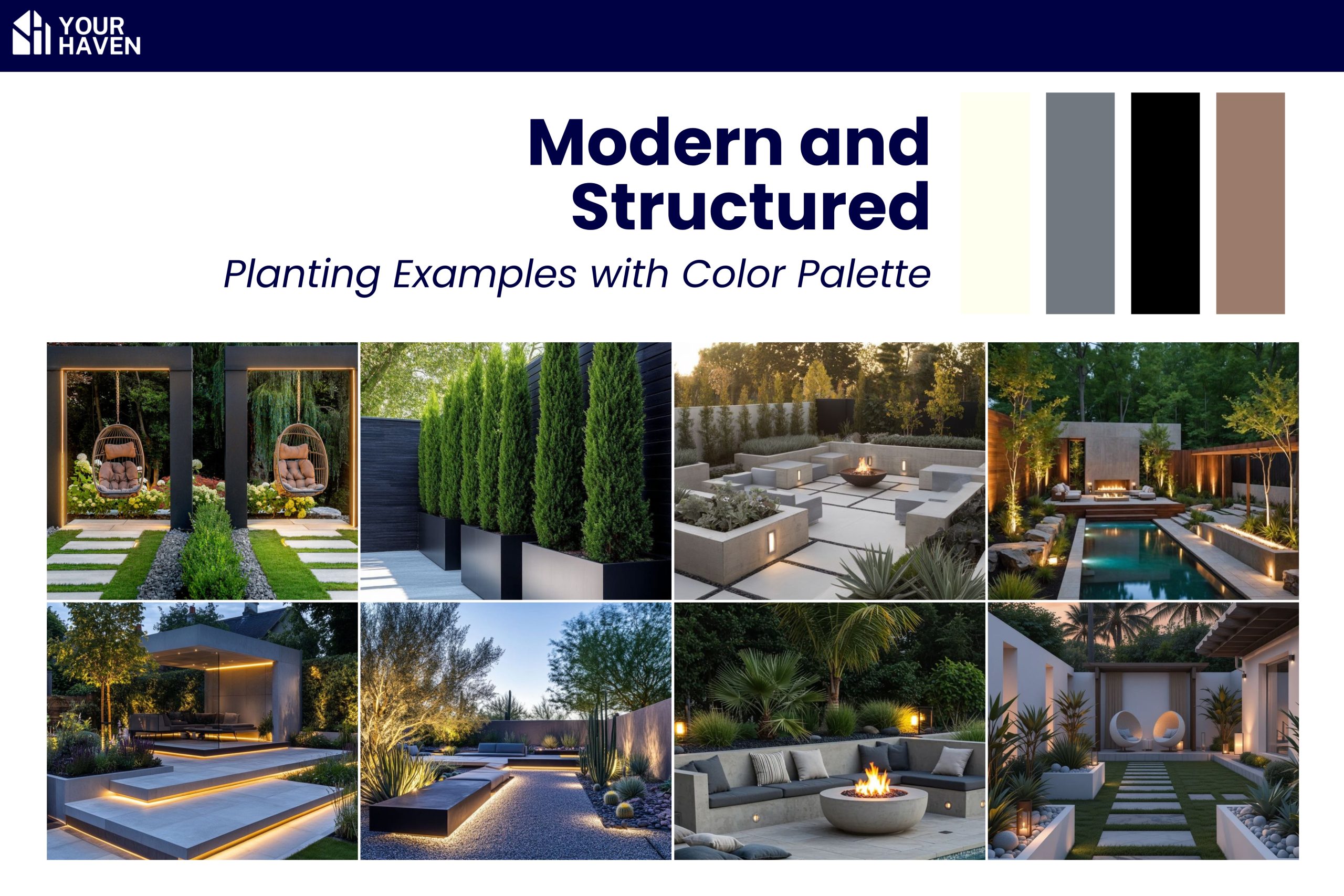
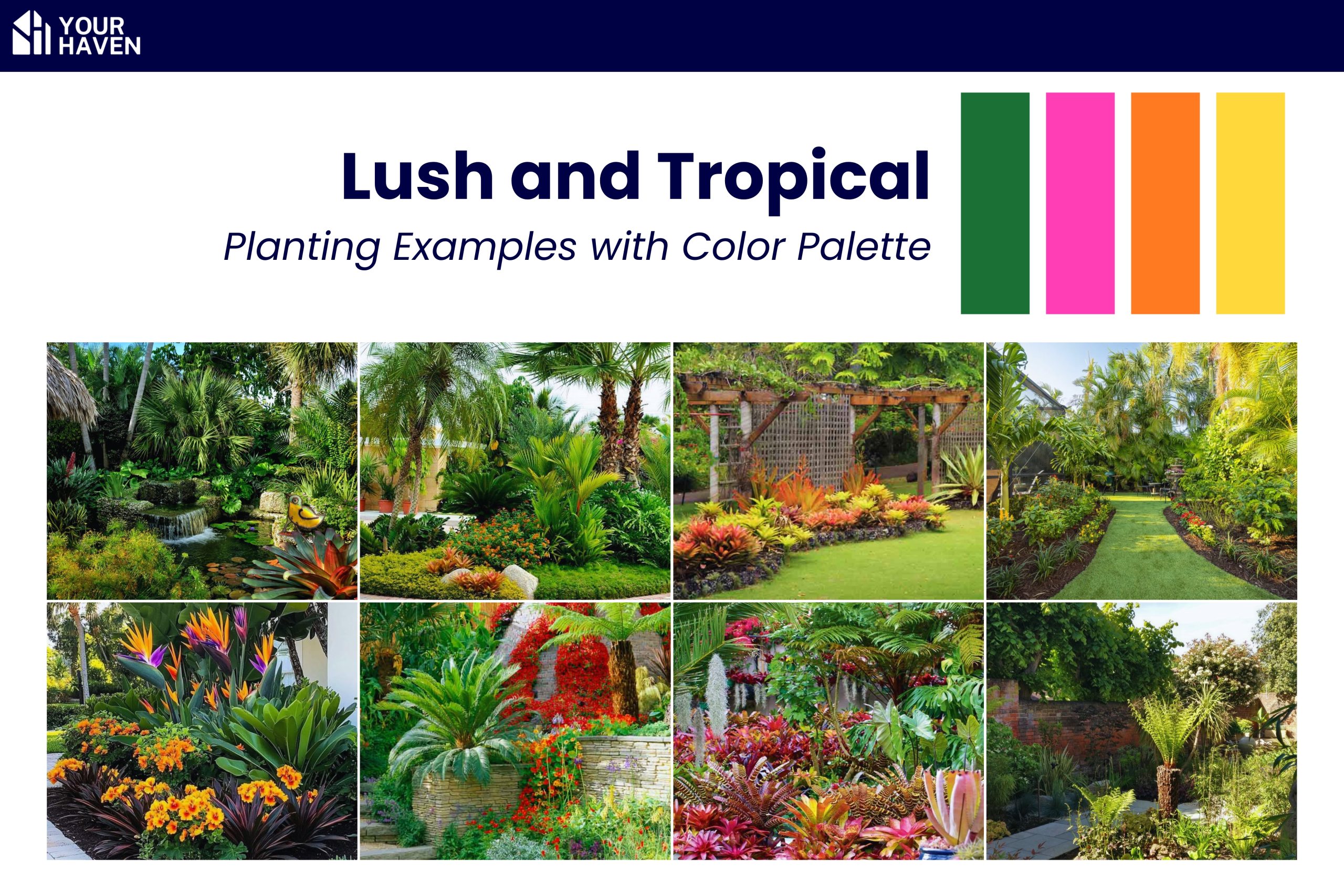
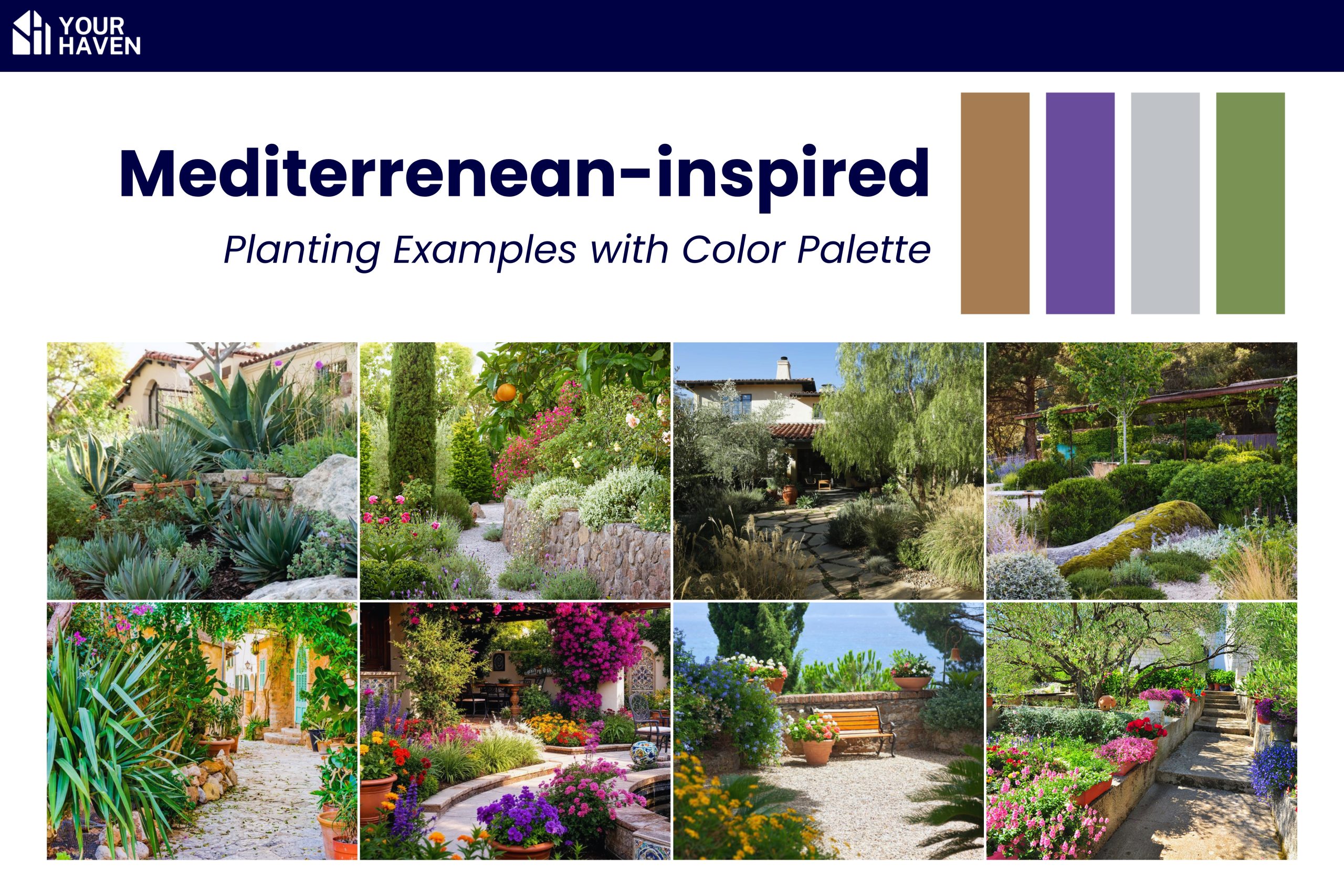
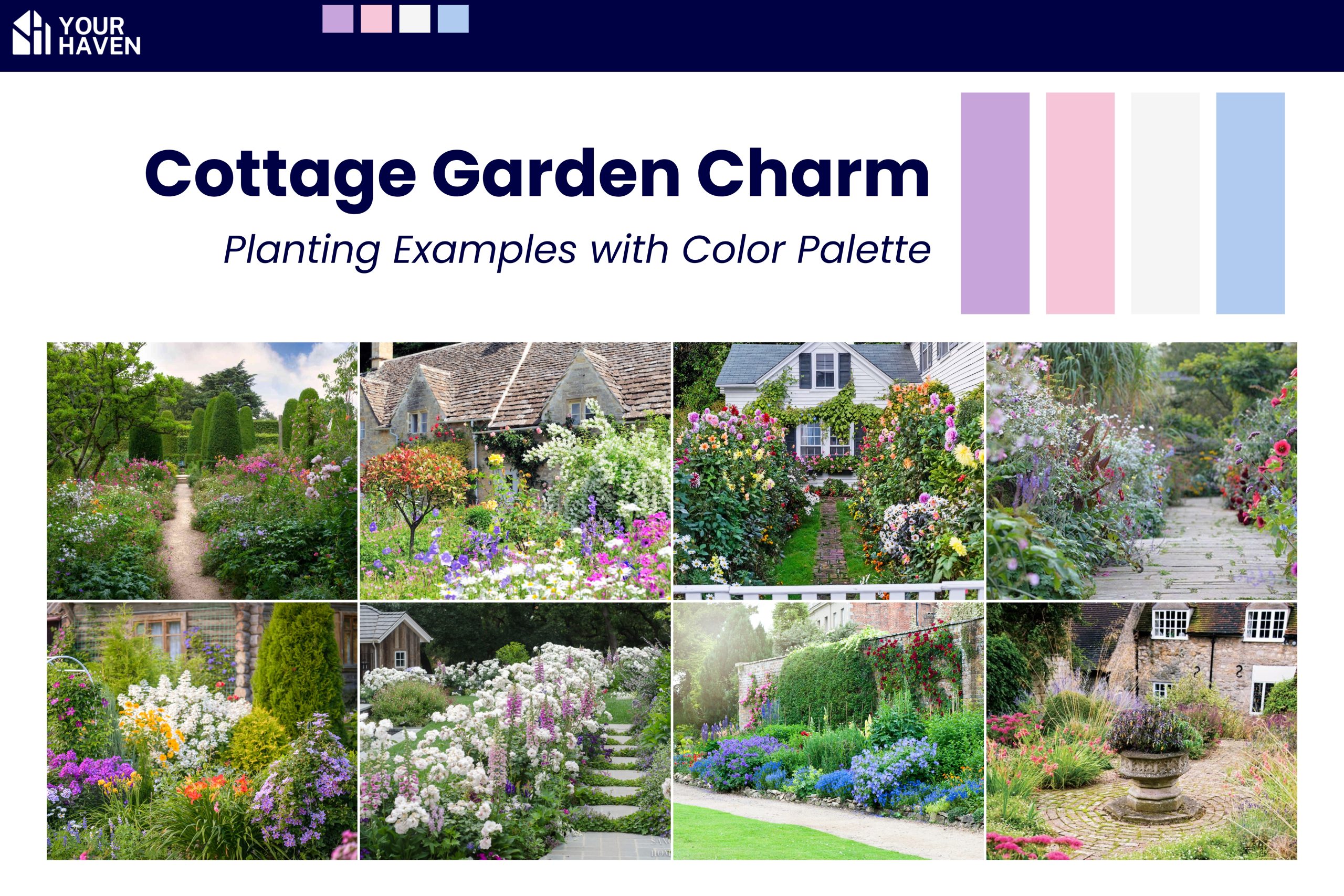
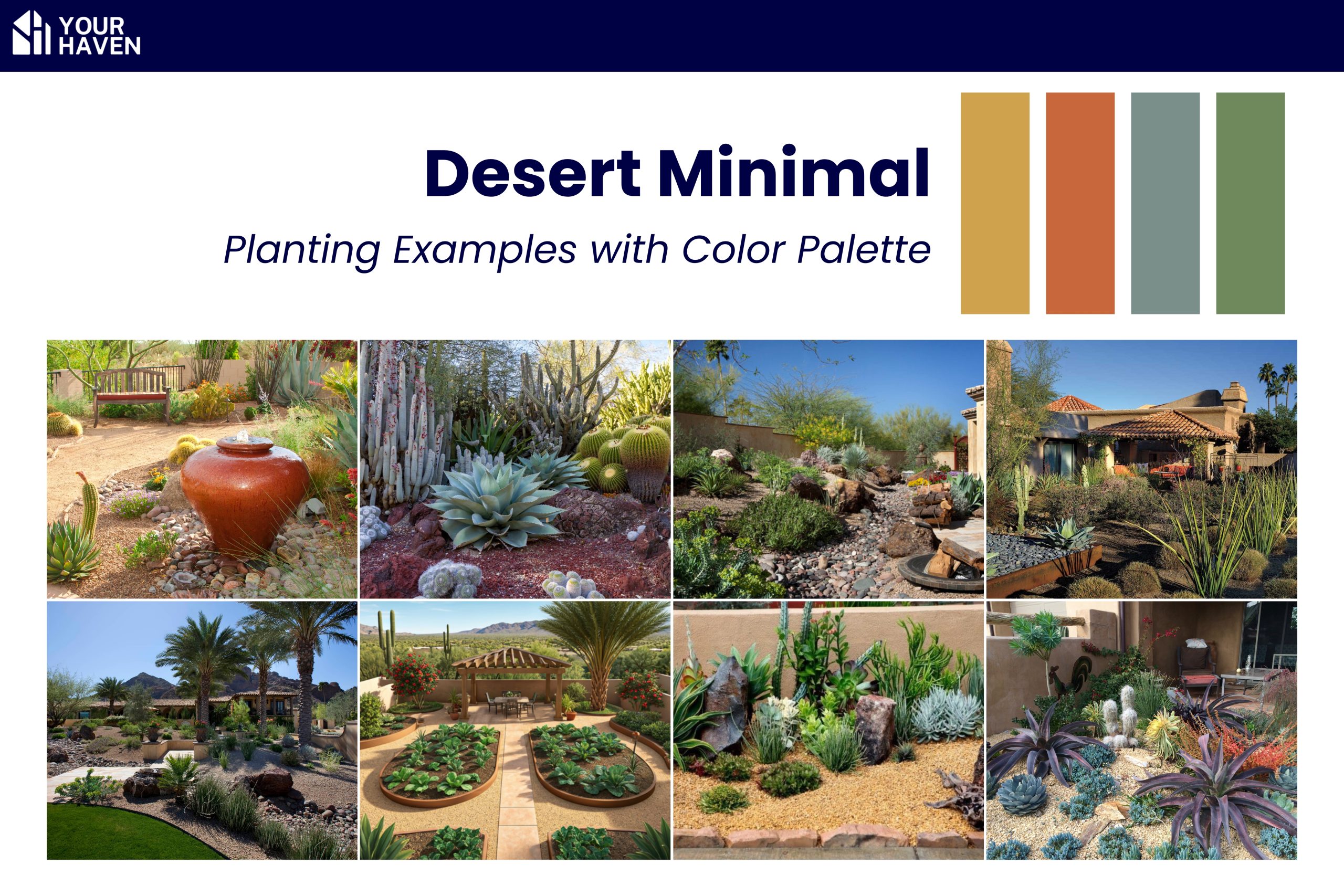
Your planting design should support your home’s architecture and outdoor features. Clean-lined homes pair beautifully with structured plant groupings and repeating patterns. More traditional homes may feel better with layered, romantic planting beds.
Tip: Create a simple inspiration board before selecting specific plants. This ensures cohesion instead of a mix of random greenery.
2. Layer Your Landscape for Depth
One of the biggest mistakes homeowners make is planting everything at the same height. Great planting design uses layers:
- Back Layer: Taller shrubs, ornamental trees, privacy hedges
- Middle Layer: Medium shrubs and flowering plants
- Front Layer: Groundcovers, low grasses, or border plants
This creates depth and visual interest. Even small yards can feel expansive when layers are used correctly.
Pro Tip: Think in masses, not single plants. Group plants in clusters of 3, 5, or 7 for a more natural, professional look.
3. Use Repetition to Create Flow
Repetition is what separates a cohesive landscape from a chaotic one.
Choose a few key plant varieties and repeat them throughout your yard. This creates rhythm and unity. When homeowners see the same plant repeated in different areas, the space feels designed rather than accidental.
Instead of using 25 different plant types, try focusing on 5 to 7 strong performers.
4. Balance Color With Texture
Color draws attention, but texture creates sophistication. Mix:
- Fine textures like ornamental grasses
- Broad-leaf plants for bold contrast
- Flowering plants for seasonal pops
- Evergreen structure for year-round stability
A yard that only focuses on flowers may look good for one season but flat for the rest of the year. Layer texture to keep the space interesting all year long.
5. Design for Year-Round Interest
A planting design homeowners truly love is one that looks good in every season. Plan for spring blooms, summer color, fall foliage, and winter structure from evergreens and grasses
Even in warmer climates, seasonal transitions matter. A balanced planting plan ensures your landscape never feels empty.
6. Think About Maintenance From Day One
Beautiful design should not turn into a maintenance headache.
Ask yourself:
- How much pruning will this require?
- Will these plants outgrow the space?
- Are they drought-tolerant?
- Are they suited for your climate zone?
Low-maintenance planting design is especially important for busy homeowners. Native and climate-adapted plants often provide the best long-term performance with less water and care.
7. Add Strategic Privacy and Framing
Plants are powerful architectural tools.
Use hedges to create privacy, trees to frame focal points, layered shrubs to soften fences and taller greenery to define outdoor rooms
Strategic planting makes patios and pools feel more intimate and intentional.
8. Pair Planting With Lighting
Outdoor planting design truly comes alive at night.
Soft uplighting on trees, subtle path lighting, and gentle accent lighting within planting beds elevate the entire experience. Proper lighting highlights texture and creates depth after sunset.
When planting and lighting are designed together, the space feels luxurious and complete.
9. Scale Plants Properly to the Space
Avoid planting large trees too close to foundations or selecting shrubs that will quickly overpower walkways.
Great planting design considers:
- Mature plant size
- Root spread
- Clearance from structures
- Visibility from inside the home
Remember: Design for how the landscape will look in 3 to 5 years, not just the day it is installed.
10. Work From a Professional Planting Plan
The most loved outdoor spaces rarely happen by accident. A professional planting plan includes:
- Clear layout drawings
- Plant quantities
- Spacing details
- Species recommendations
- Irrigation considerations
Even if you are installing yourself, starting with a detailed plan saves time, money, and frustration.
Final Thoughts: Designing an Outdoor Space Homeowners Truly Love
Outdoor planting design is about more than just filling empty beds. It is about creating emotion, flow, and comfort. When layered correctly, repeated thoughtfully, and balanced with texture and color, planting becomes the element that transforms an ordinary yard into a stunning outdoor retreat.
If you are planning your next landscape project, take the time to design your planting intentionally. Your future self, and your outdoor space, will thank you.