


Winning outdoor living projects is not just about great design. It is about how you present it.
You can have the best layout, materials, and vision in the world, but if your client cannot clearly see it, feel it, and trust it, they will hesitate. And hesitation kills deals. The contractors who consistently close projects faster are not just better designers. They are better presenters.
In this guide, we will break down exactly how to present outdoor designs in a way that builds confidence, eliminates objections, and gets clients to say yes faster.
1. Lead With the Lifestyle, Not the Layout
Most contractors jump straight into technical details. Dimensions, materials, and specs. But clients do not buy layouts. They buy outcomes.
Instead of saying: “Here is the patio layout and seating area.”
Say: “This is where your family will spend weekends together, with enough space for hosting and relaxing.”
Why this works: Clients make decisions emotionally first, then justify logically.
Pro Tip: Start every presentation with a quick story:
- How they will use the space
- What problems are being solved
- What life looks like after the project is built
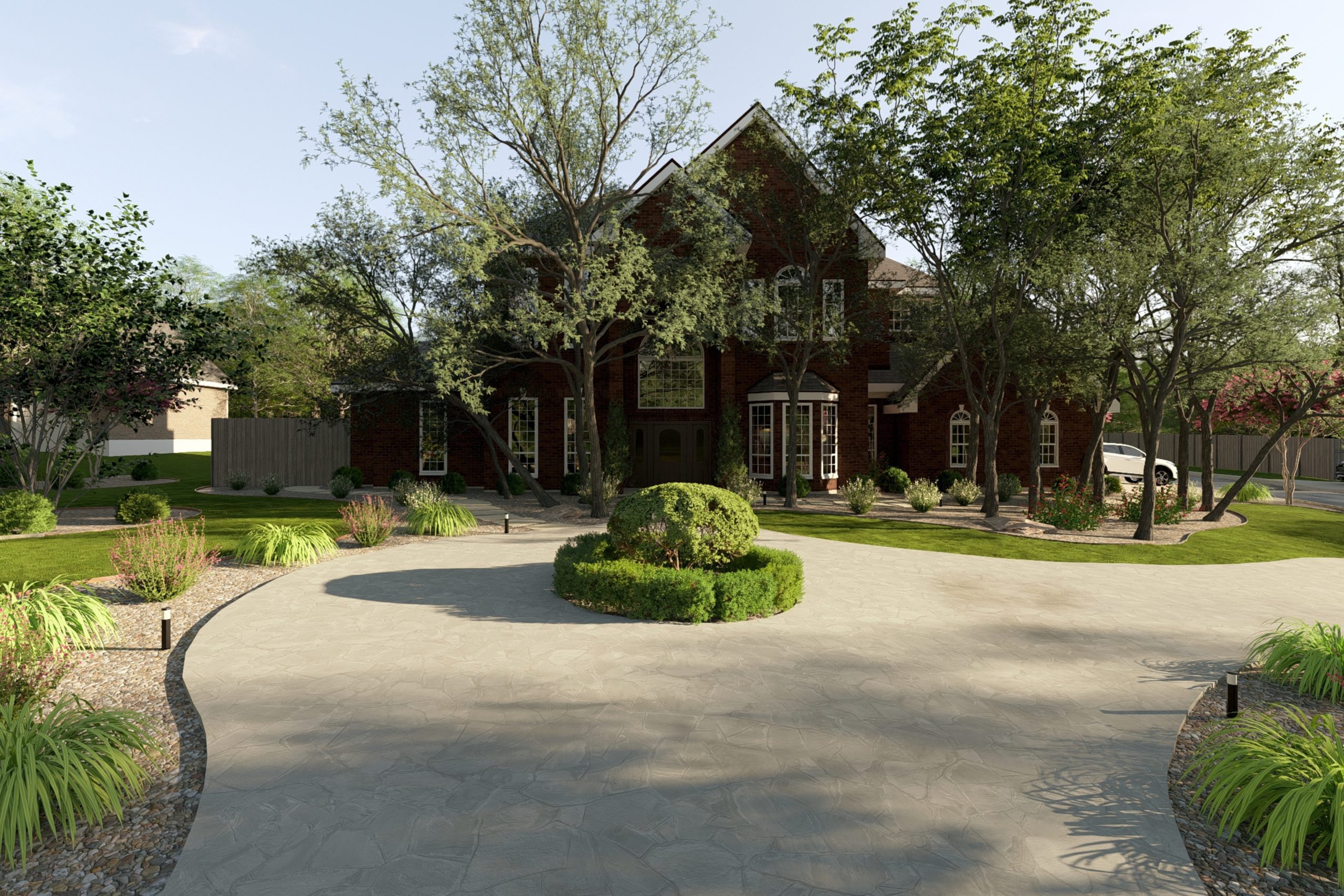
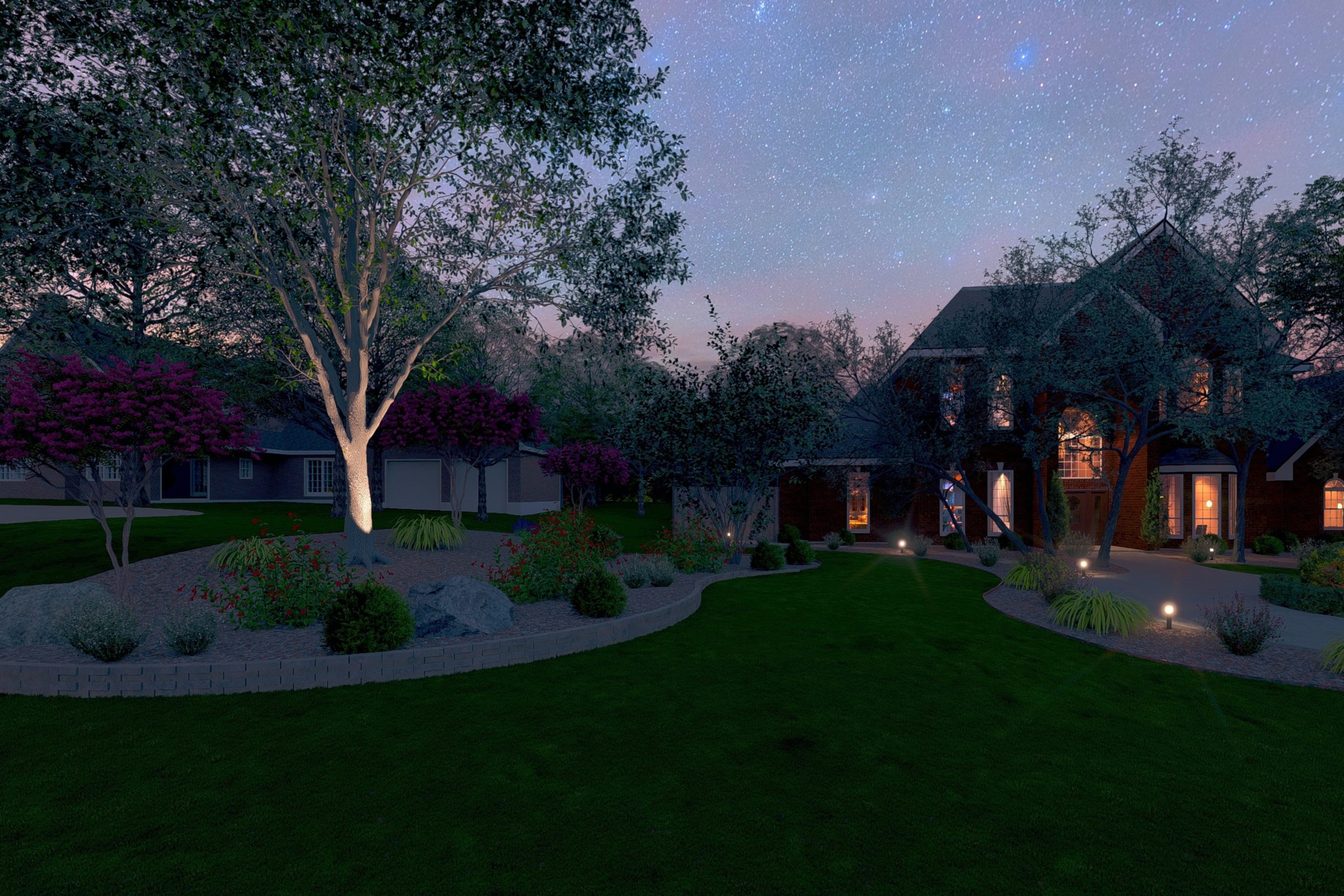
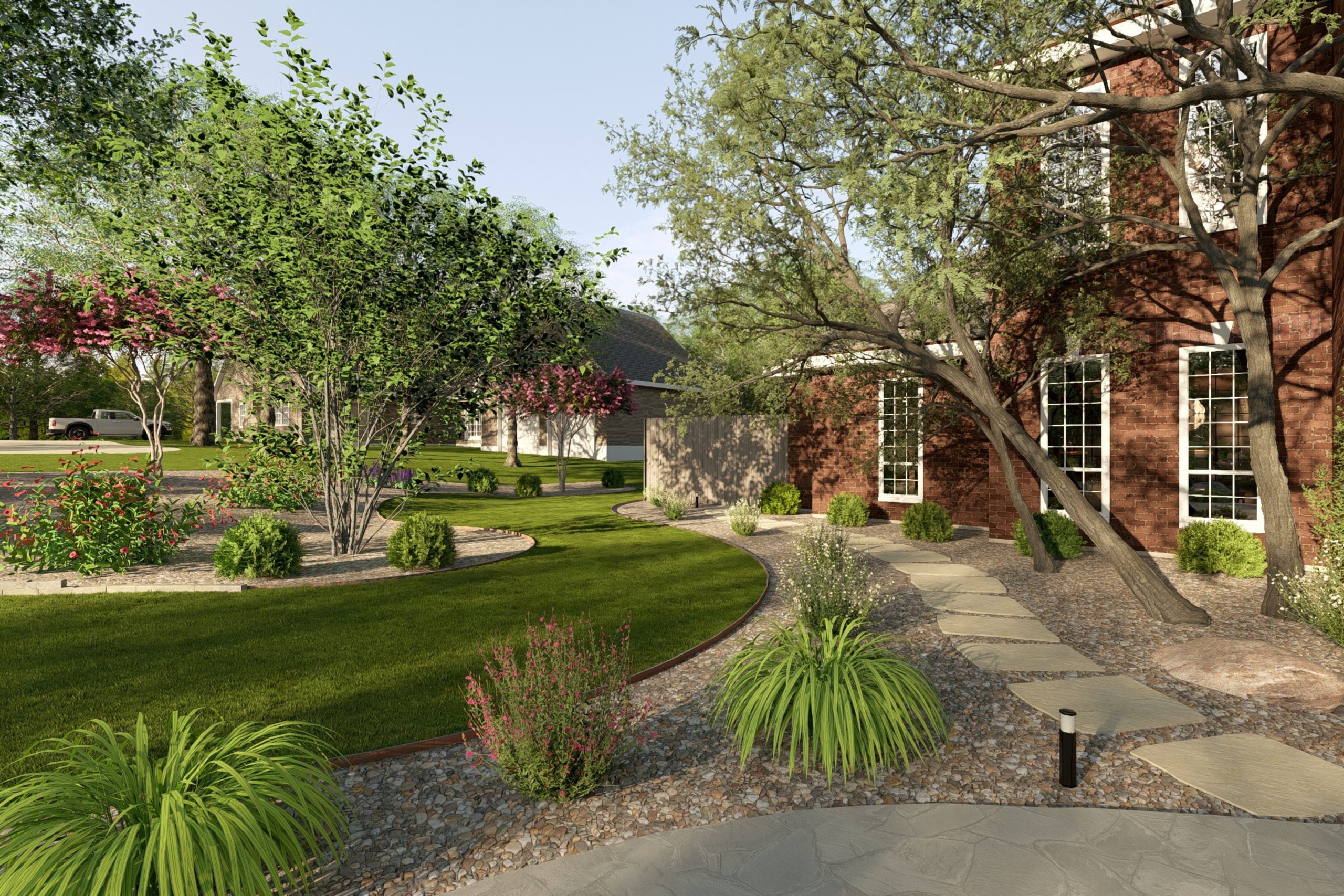
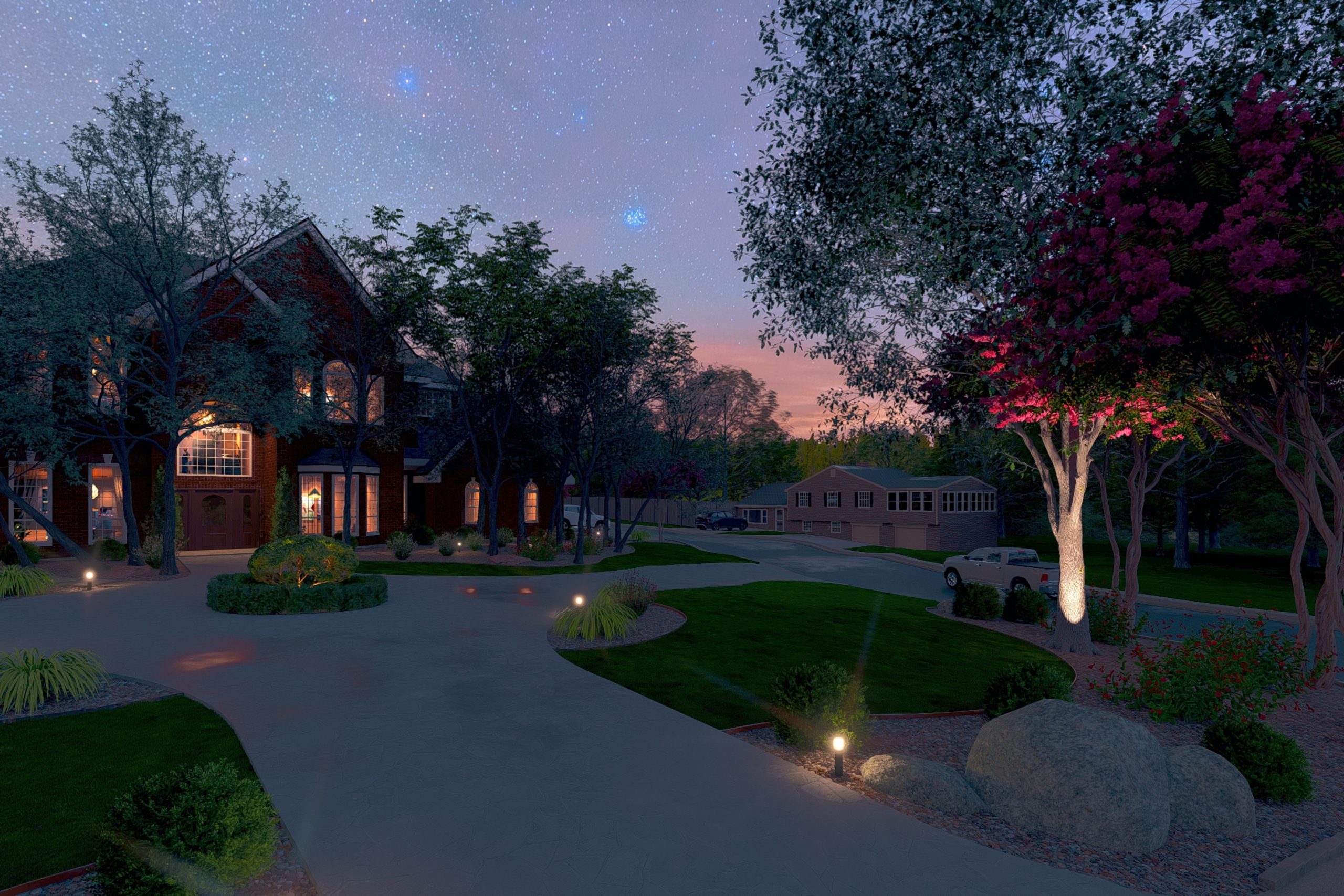
2. Use 3D Renderings to Remove Guesswork
Flat plans leave too much to the imagination. When clients have to “figure it out,” they slow down or say no.
High-quality 3D renderings:
- Make the project feel real
- Help clients visualize scale and flow
- Build instant confidence
What to show:
- Key angles of the backyard
- Day and night views
- Material textures and lighting
The goal: Eliminate uncertainty so the client feels like they have already experienced the space.
3. Pair 3D With Clear 2D Plans
3D sells the vision. 2D builds trust. This reassures clients that what they see can actually be built correctly. When you combine both, you hit both sides of the decision:
- Emotional (this looks amazing)
- Logical (this is buildable and accurate)
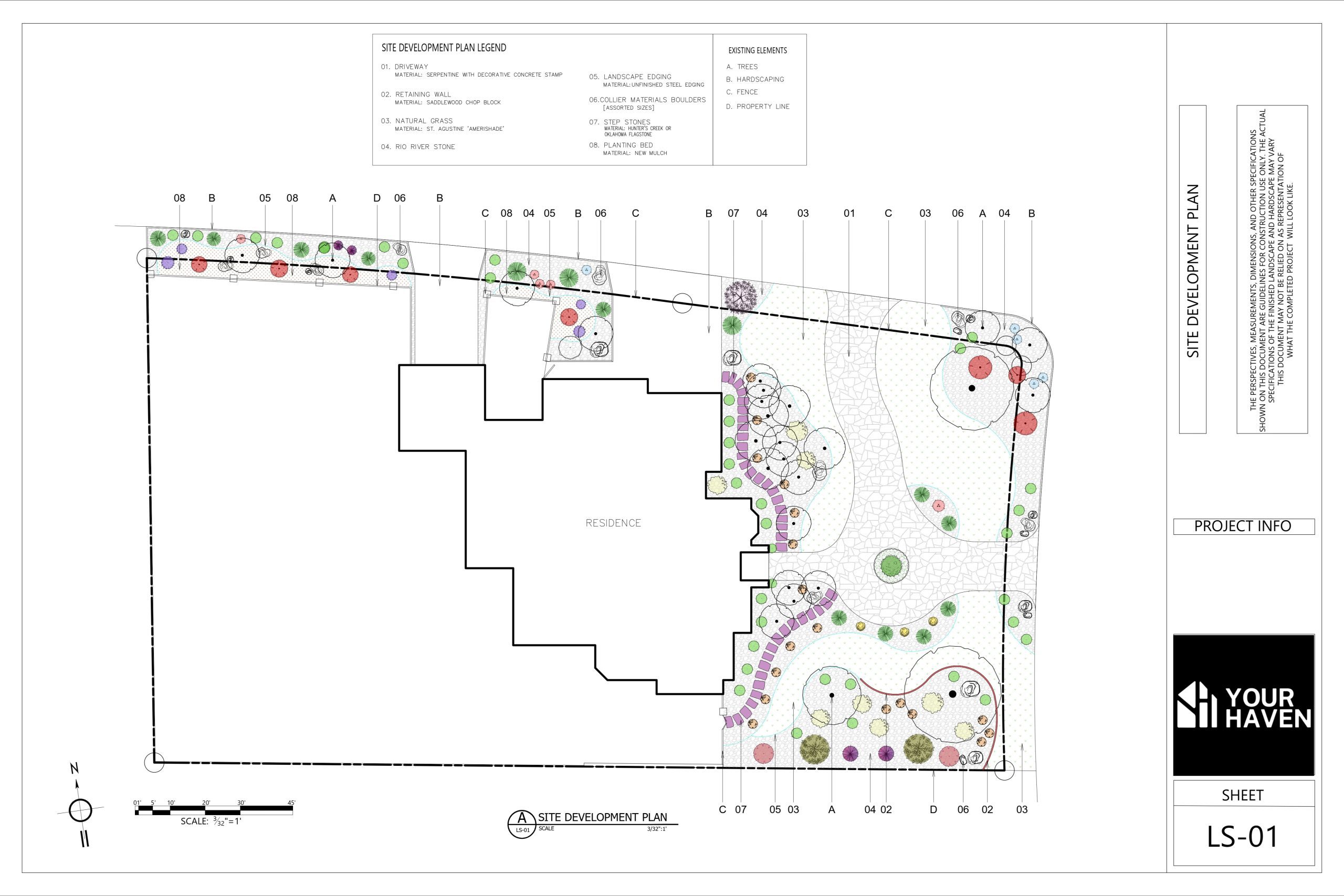
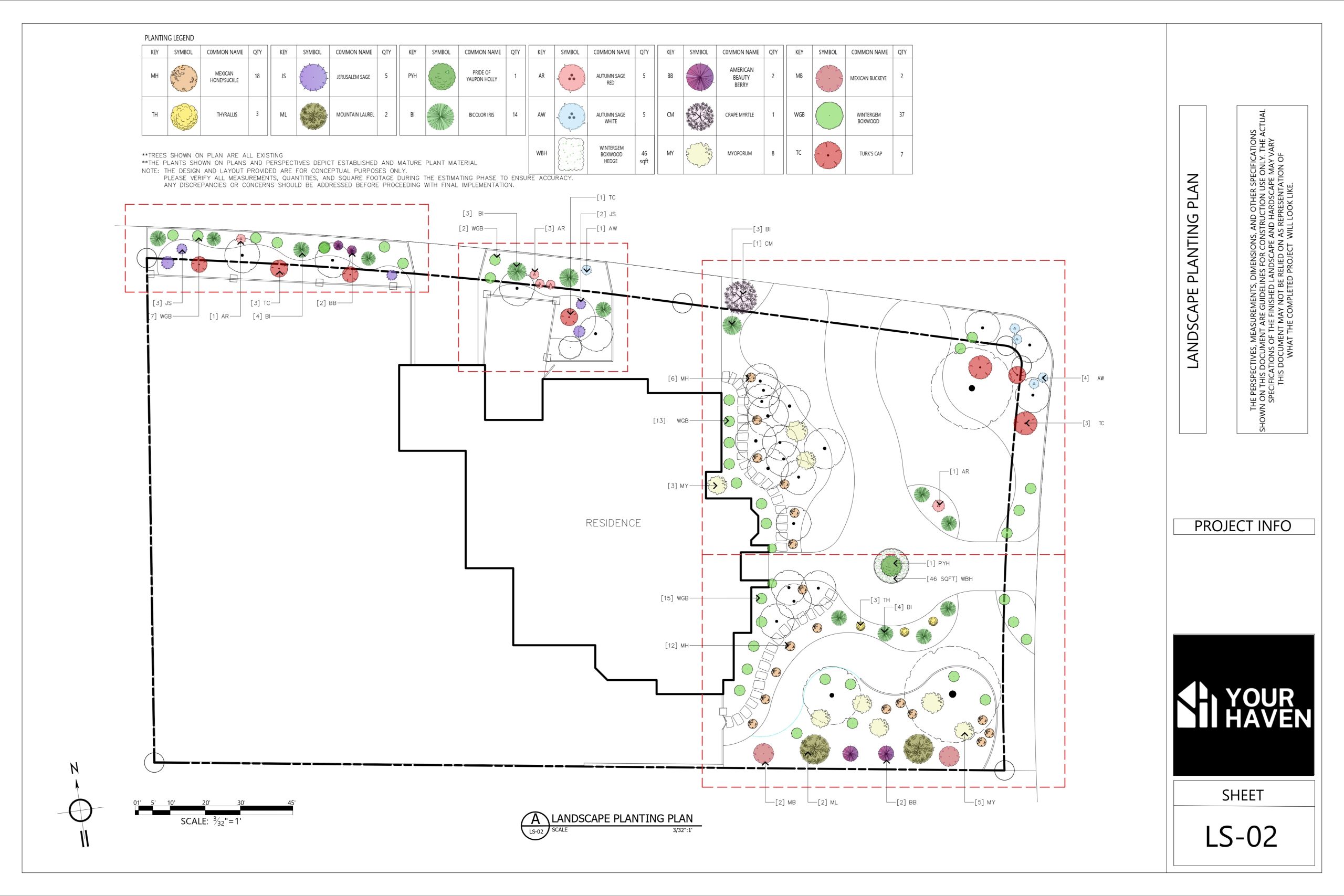
Include:
- Dimensions
- Layout clarity
- Material callouts
- Key construction details
4. Guide the Presentation, Do Not Just Show It
Do not just send over files and hope they understand. Walk them through it.
Structure your presentation like this:
- Big picture vision
- Walkthrough of the space (like a tour)
- Key features and benefits
- Materials and finishes
- Next steps
Important: Pause and ask simple questions:
- “How does this feel to you?”
- “Can you see yourself using this space?”
This keeps them engaged and emotionally invested.
5. Pre-Handle Common Objections
The best presentations answer questions before they are asked. Common concerns:
- Budget
- Maintenance
- Durability
- Permits and setbacks
Example:
Instead of waiting for pushback, say: “We selected these materials because they hold up well in your climate and require low maintenance”
Now you are not reacting. You are leading.
6. Simplify Decisions With Clear Options
Too many choices slow clients down. Instead, present one strong recommended design and one alternative option (if needed).
Avoid: Endless variations that create confusion.
Position it like: “This is the design we recommend based on your goals”
Confidence from you creates confidence in them.
7. Use Visual Comparisons to Create Clarity
Before and after comparisons are powerful. They show:
- The transformation
- The value
- The impact of the investment
This helps clients justify the cost faster because they can clearly see what they are getting.
8. End With a Clear Next Step
Do not leave the conversation open-ended. Always guide them forward.
Examples:
- “If everything looks good, we can move into the build phase this week”
- “Next step is locking in materials and scheduling install”
Make it easy to say yes.
9. Speed Builds Trust
The faster you present, the more likely you are to win. If you take too long:
- Clients lose excitement
- Competitors step in
- Momentum dies
Best practice: Deliver initial designs within 5 days or less. Fast, high-quality presentations signal professionalism and reliability.
10. Confidence Closes Deals
At the end of the day, clients are not just buying the design. They are buying you.
If you present with clarity, confidence, and structure:
- Clients feel safe moving forward
- Decisions happen faster
- Projects close smoother
Conclusion
Presenting outdoor designs is not just about showing a plan. It is about creating belief.
When you:
- Lead with lifestyle
- Use strong visuals
- Guide the conversation
- Remove uncertainty
You turn hesitation into confidence. And confidence turns into signed projects.