


Most landscaping businesses sell the same way: a client calls, you visit the property, you put together a quote, and you hope they say yes. It’s a familiar process and for small, straightforward jobs, it works fine.
But if you want to win bigger projects. the kind with real budgets, real scope, and real profit margins… that approach has a ceiling.
The businesses consistently landing the larger jobs aren’t just better at landscaping. They’re better at selling. Specifically, they’ve shifted to a “design first” sales process. And it changes everything.
What “Design First” Actually Means
The design first approach is simple: before you talk price, you talk vision.
Instead of visiting a property and jumping straight to a quote, you invest time upfront in understanding what the client actually wants and then you present them with a design that brings that vision to life. The price comes after the design, not before it.
This might sound like more work. And in some ways, it is. But it fundamentally changes the conversation you’re having with the client and the size of the jobs you close.
THE PROBLEM
Why Traditional Quote-First Process Limits You
When you lead with a quote, price becomes the centerpiece of the conversation. The client’s first question is “how much?” and everything else gets evaluated through that lens.
You compete on price alone
Your quote sits next to two cheaper ones. With no differentiation, the client has no reason to choose you.
Scope shrinks
A big number with no context makes clients cut back, removing things they actually want because the total feels overwhelming.
You’re selling a transaction
A quote tells a client what something costs. A design shows them what’s possible. Those are very different conversations.
You compete on price alone
Your quote sits next to two cheaper ones. With no differentiation, the client has no reason to choose you.
THE PROCESS
Why Traditional Quote-First Process Limits You
When you lead with a quote, price becomes the centerpiece of the conversation. The client’s first question is “how much?” and everything else gets evaluated through that lens.
The discovery conversation
The first meeting isn’t about measuring or estimating. It’s about understanding. Ask what they use the space for now, what frustrates them, and what they wish it could do. Ask if they’ve seen yards they loved. Listen more than you talk. Your goal is to understand not just what they want to build, but why it matters to them.
Present the design
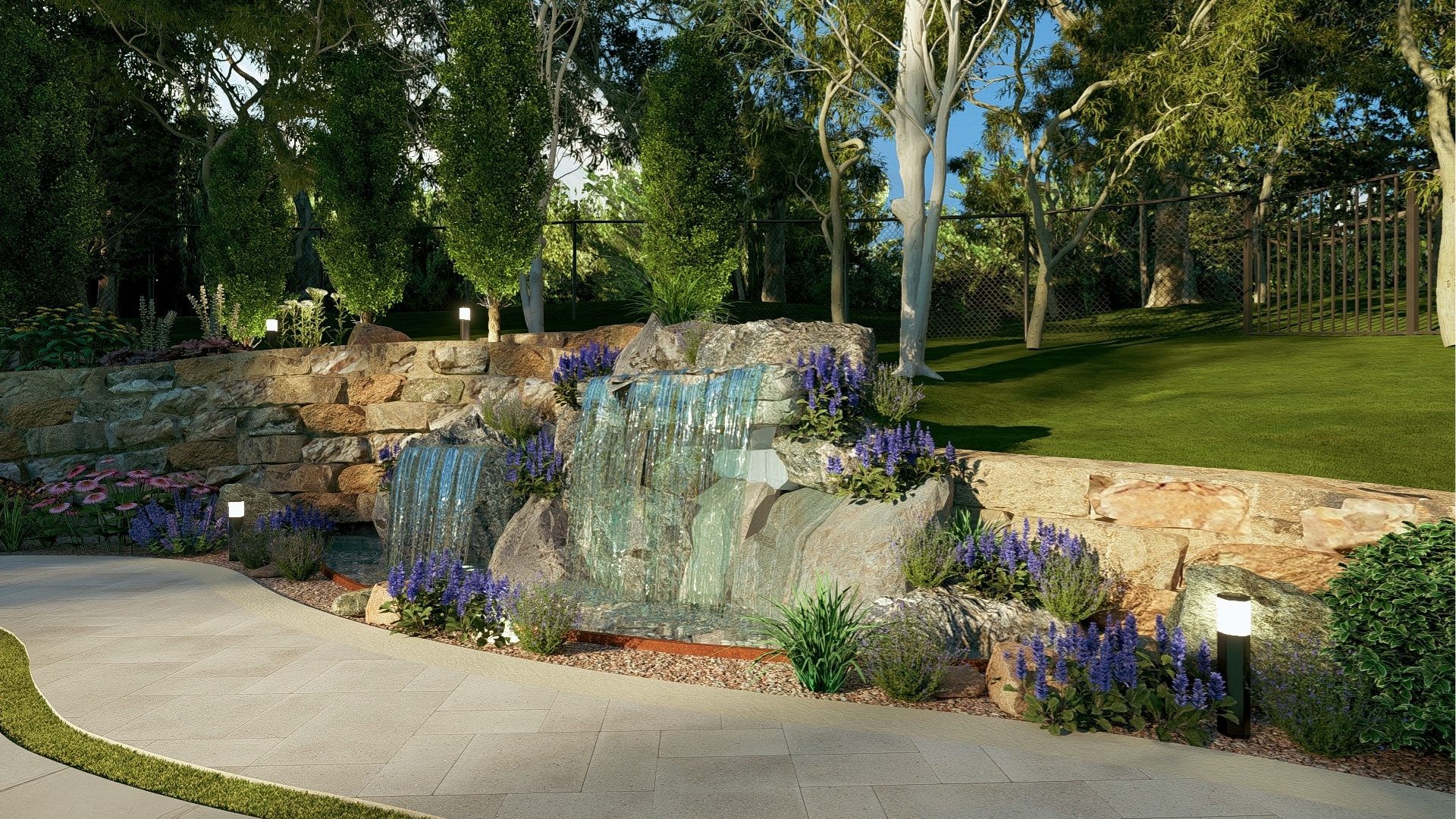
Come back with a concept: a layout sketch, material ideas, plant selections. It doesn’t need to be a full architectural rendering. What matters is that it reflects what the client told you. Reference their words. Show them you listened. This gives the client something to get emotionally invested in, and changes the entire dynamic of the next conversation.
Walk through the value, then the investment
THE PAYOFF
What this does for your business
You attract better clients
Clients who go through a design first process are more engaged, more committed, and more likely to trust your expertise. They’ve already invested time in the process. They’re not shopping around for the cheapest option — they’re working with someone who took their vision seriously.
Your average job size increases
When clients can see the full potential of their space, they want more of it. Scope expands rather than shrinks. Add-ons that would have been cut from a traditional quote become part of the vision they’re already committed to.
You stand out from every competitor
Most landscaping businesses don’t do this. When you show up with a design, even a simple one — you immediately look more professional, more capable, and more trustworthy than the person who showed up with just a clipboard and a calculator.
You close more of what you pitch
Clients who have seen a design they love are much harder to talk about. They’ve already imagined themselves in that space. Saying no means walking away from something they want, not just passing on a quote.
COMMON QUESTIONS
Pushbacks and how to handle them
“Should I charge for the design?”
For larger projects, a small design fee is reasonable and it filters out clients who aren’t serious. Many businesses fold the fee into the project if the client proceeds. For smaller jobs, offering a complimentary concept as part of your sales process is a worthwhile investment.
“I’m not a designer.”
You don’t need to be. A layout sketch and a mood board of materials can be enough to convey a vision. Tools like SketchUp, Canva, or even hand-drawn plans work well. If design isn’t your strength, consider partnering with a landscape designer for larger bids.
“Clients just want a price. They don’t want to wait.”
Clients who only want a fast price usually also choose the cheapest option. Design first attracts clients who value the process and filters out the ones who were going to go cheaper anyway.
THE BOTTOM LINE
One change, a different kind of business
The landscaping businesses winning the biggest jobs aren’t just the best in the ground. They’re the best in the room. A design first sales process positions you as a partner in your client’s vision, not just another contractor with a number.
It shifts the conversation from cost to value. It builds trust before you’ve turned a single spade of soil. Start with your next mid-to-large inquiry. Ask for a second meeting. Come back with a simple design. See how the conversation changes.