


A backyard transformation looks like magic in photos. One image shows a patchy lawn and a cluttered patio. The next shows a beautiful, functional outdoor space that looks like it belongs in a magazine.
But what actually happens between those two photos? And what separates a transformation that holds up over time from one that looks great for a season and then falls apart?
Here’s what makes the difference.
It Starts With a Clear Goal
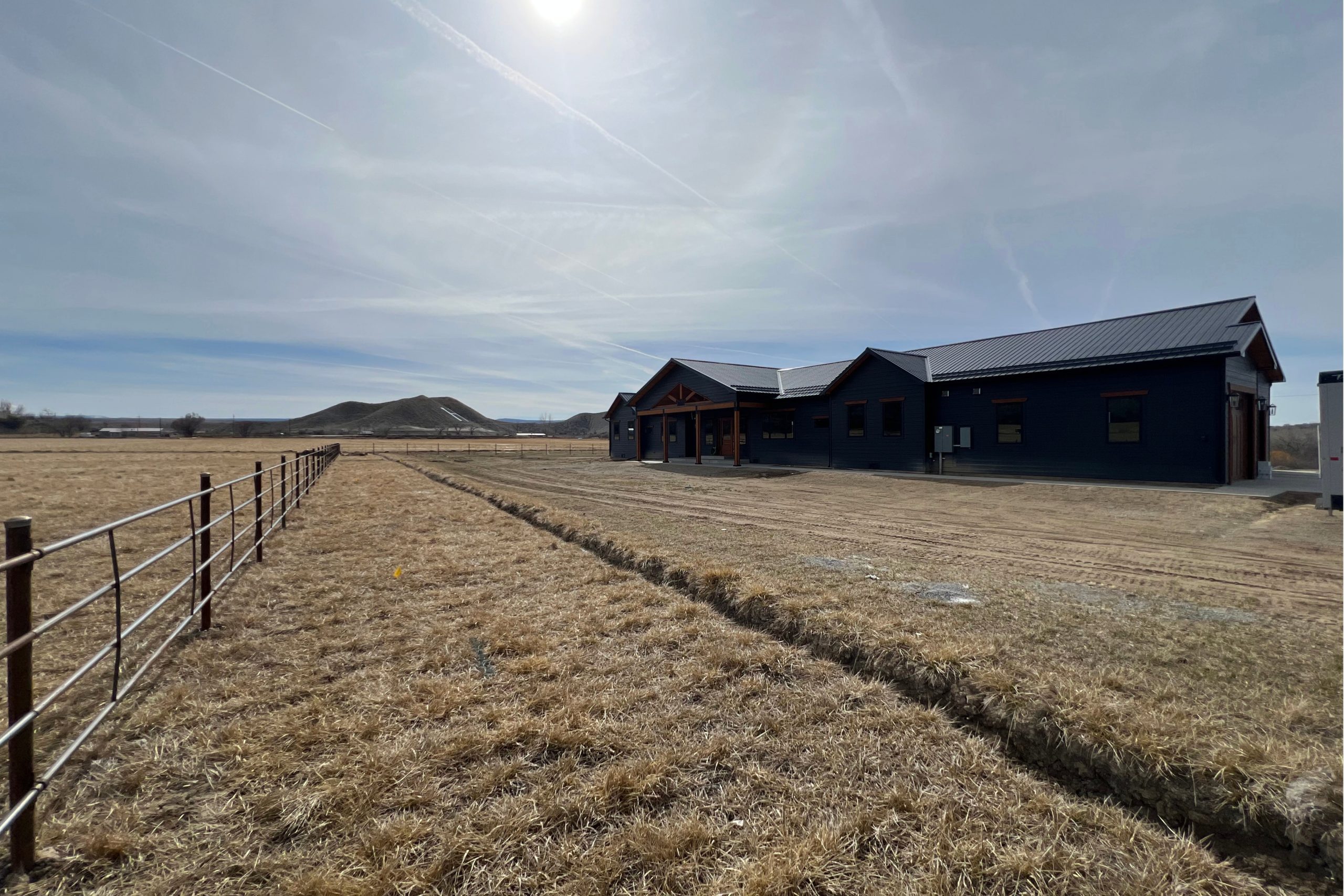
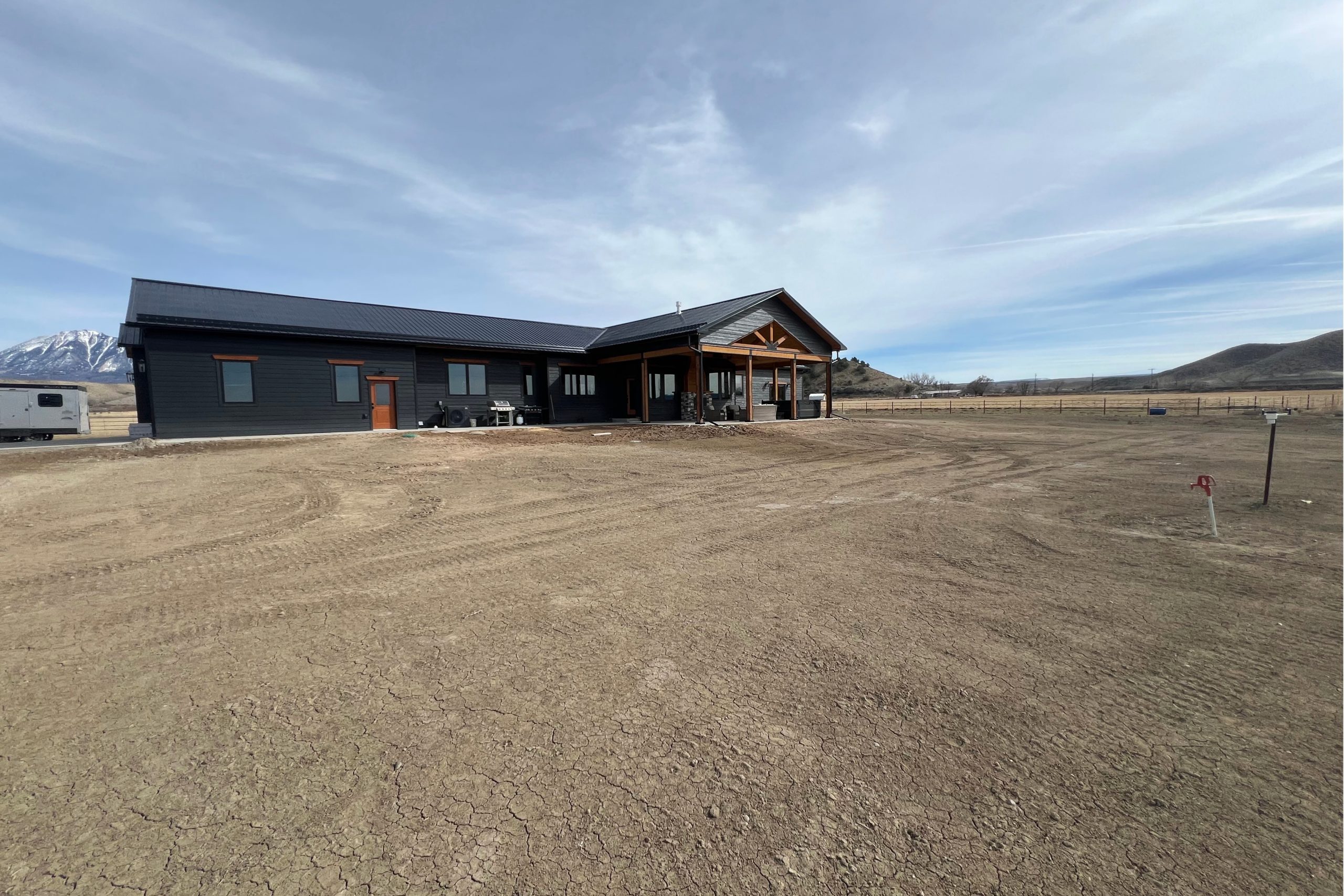
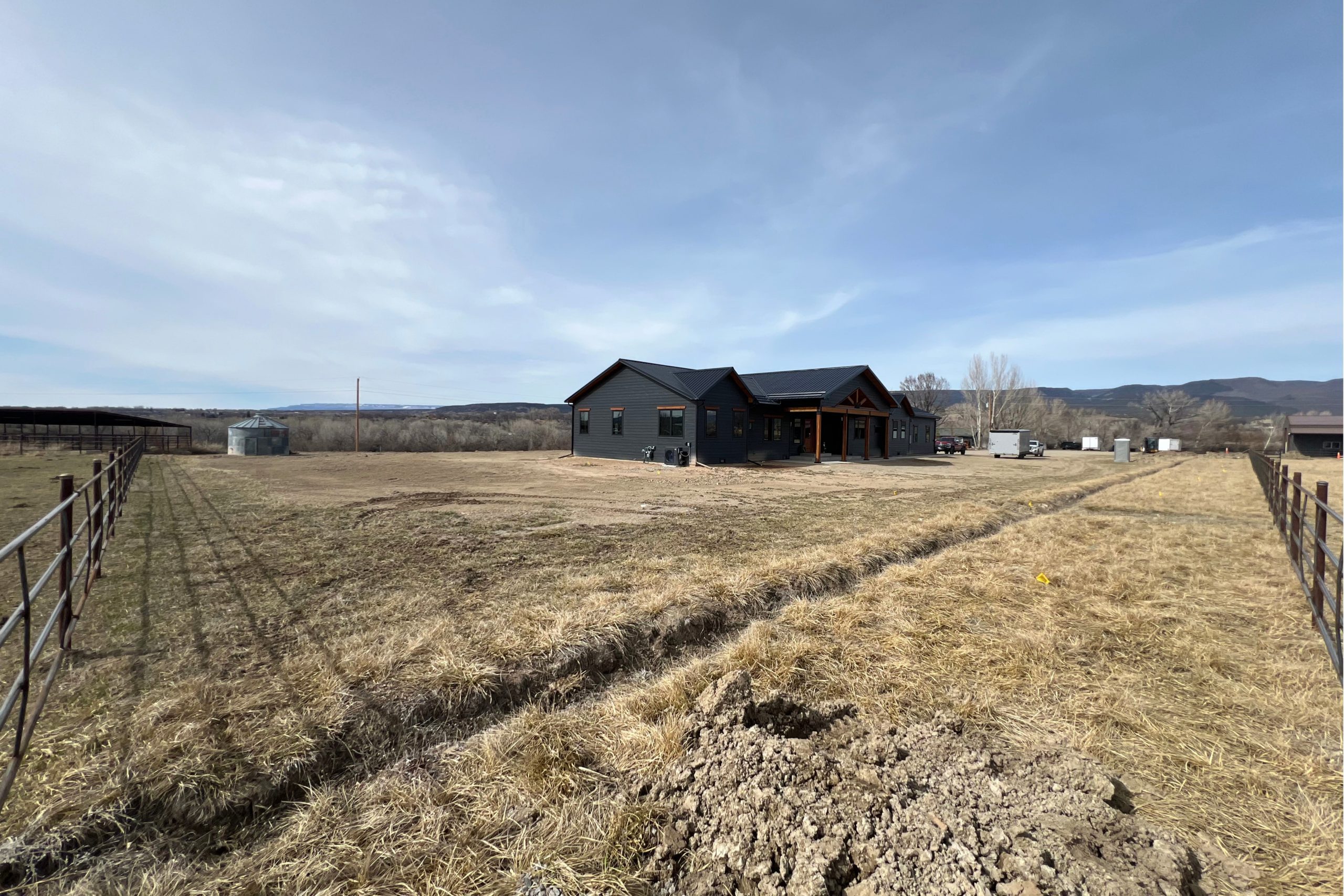
The most successful backyard projects start with one simple question: What do you actually want to use this space for?
That sounds obvious, but it’s where a lot of projects go wrong. People jump straight to picking plants or materials without deciding what the space needs to do first. Do you want a place to entertain? A quiet retreat? A play area for kids? A garden that grows food? Somewhere to let the dog run?
Your answer shapes everything — the layout, the plants, the materials, and the budget. A backyard designed around entertaining looks very different from one designed around gardening. Get clear on the goal first, and the rest of the decisions get easier.
The “Before” Problems Most Yards Share
Recognizing which problems exist in your yard is the foundation of a good plan. Most backyards that need a transformation have one or more of these issues:
Poor layout. The space feels awkward or wasted. There’s no clear place to sit, move, or gather. Paths go nowhere and areas blend into each other without purpose.
The wrong plants in the wrong places. Plants that grow too large for their spot, die off in the local climate, or need more water and care than they’re getting.
Drainage problems. Water pools after rain, muddy patches never dry out, or runoff erodes the soil.
No focal point. The eye doesn’t know where to land. Everything feels flat and forgettable.
Too much hardscape or too little. Either the yard is a concrete slab with nowhere for water to go, or there’s no structure at all, just open grass with nothing to define the space.
What Successful Transformations Have in Common
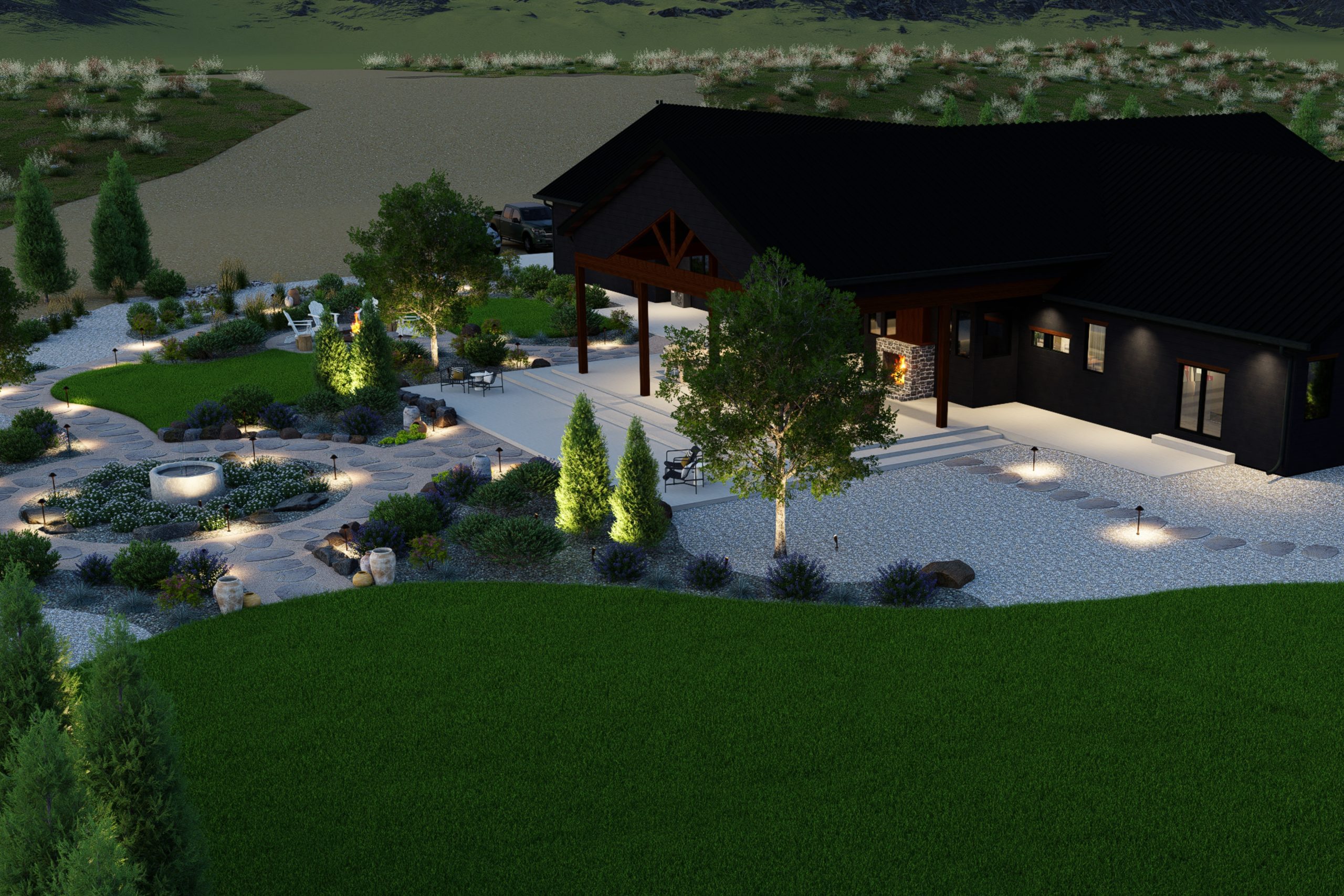
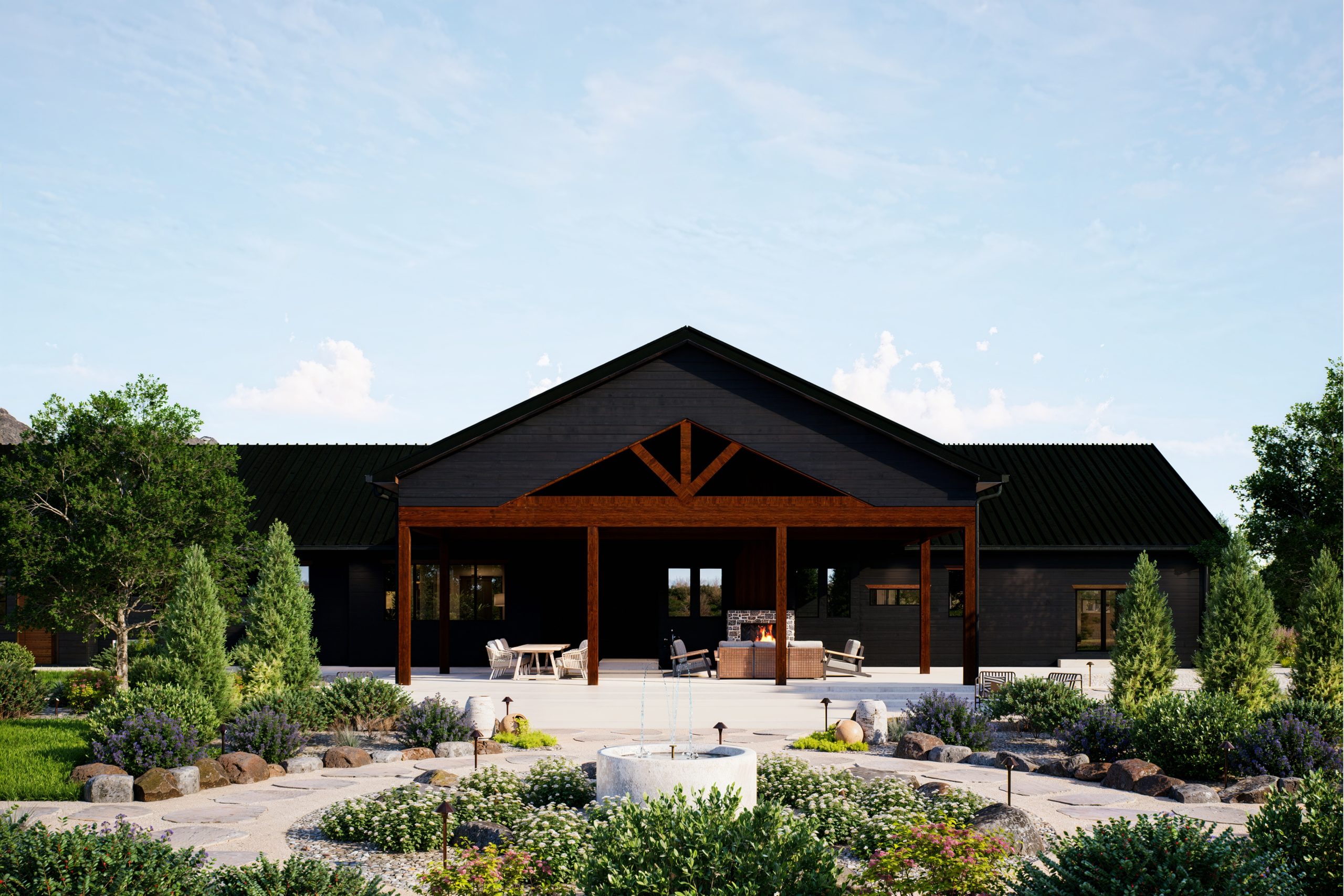
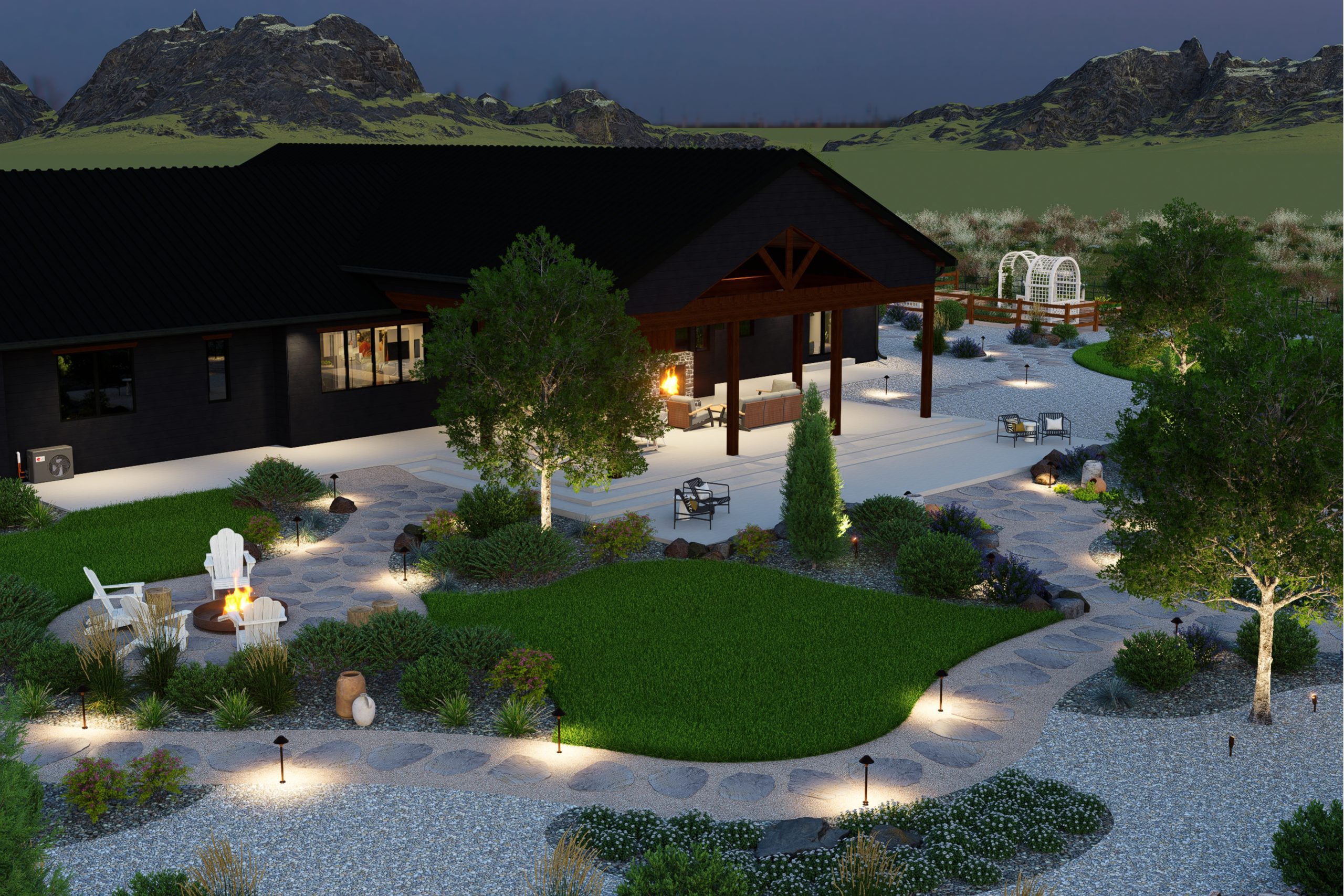
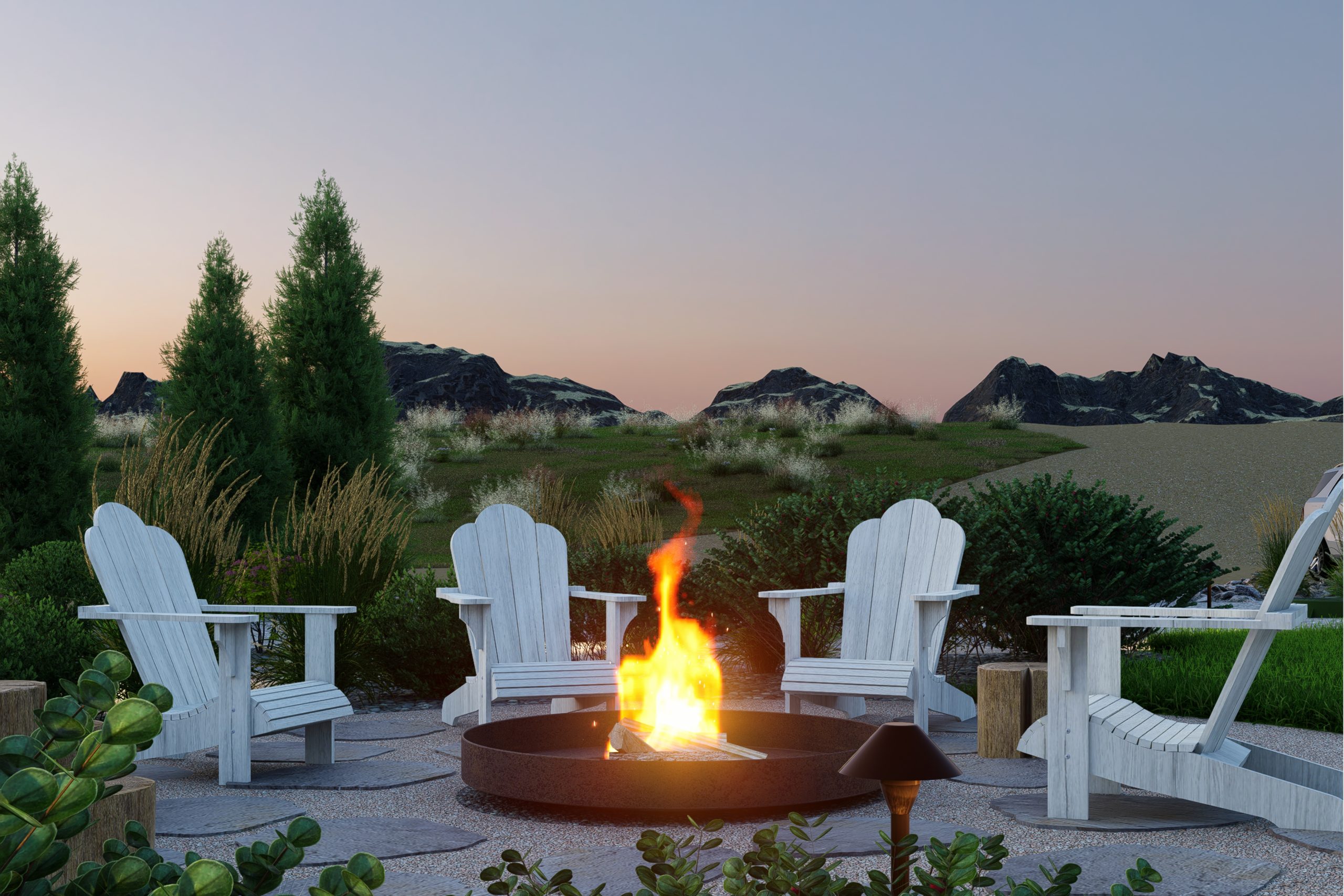
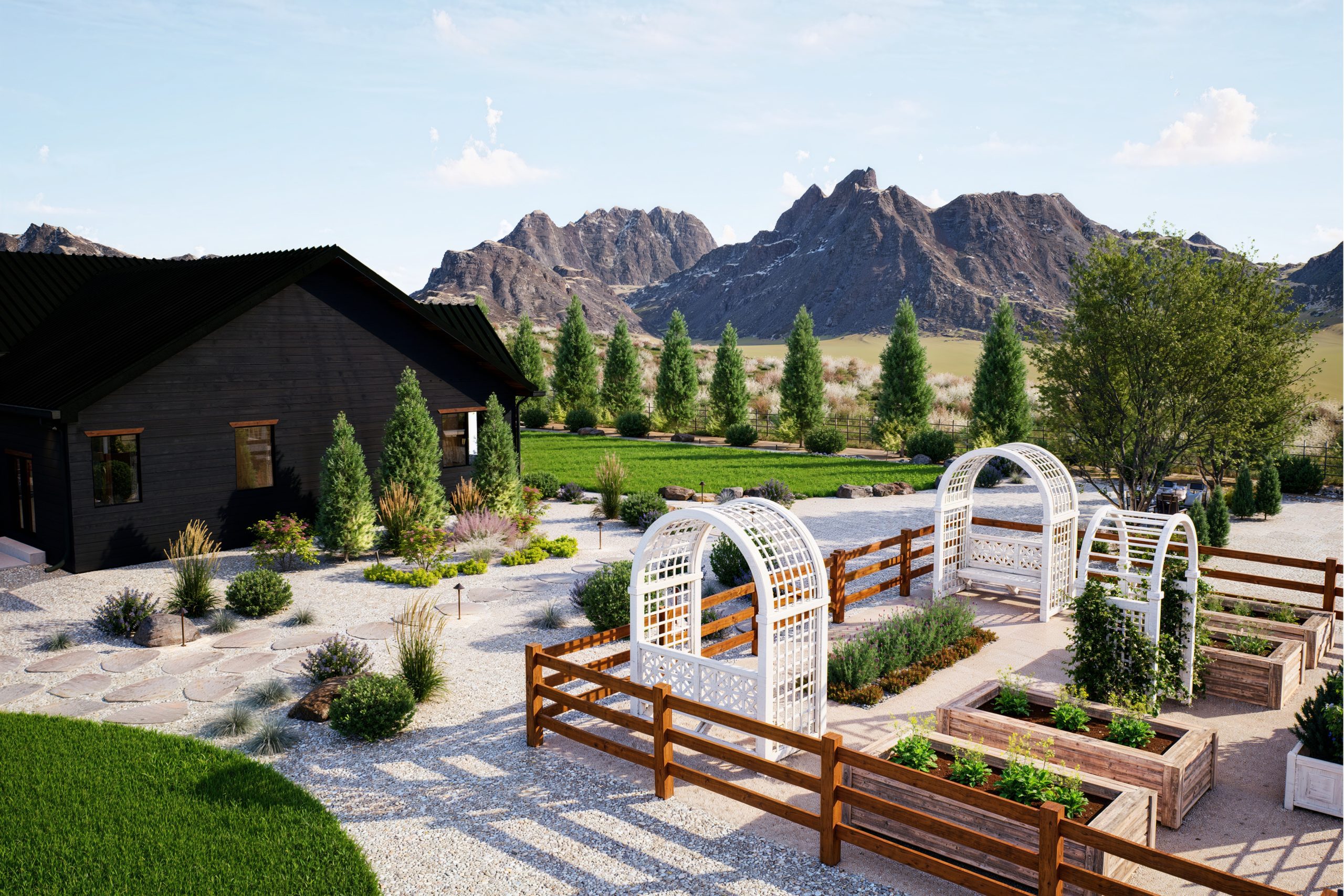
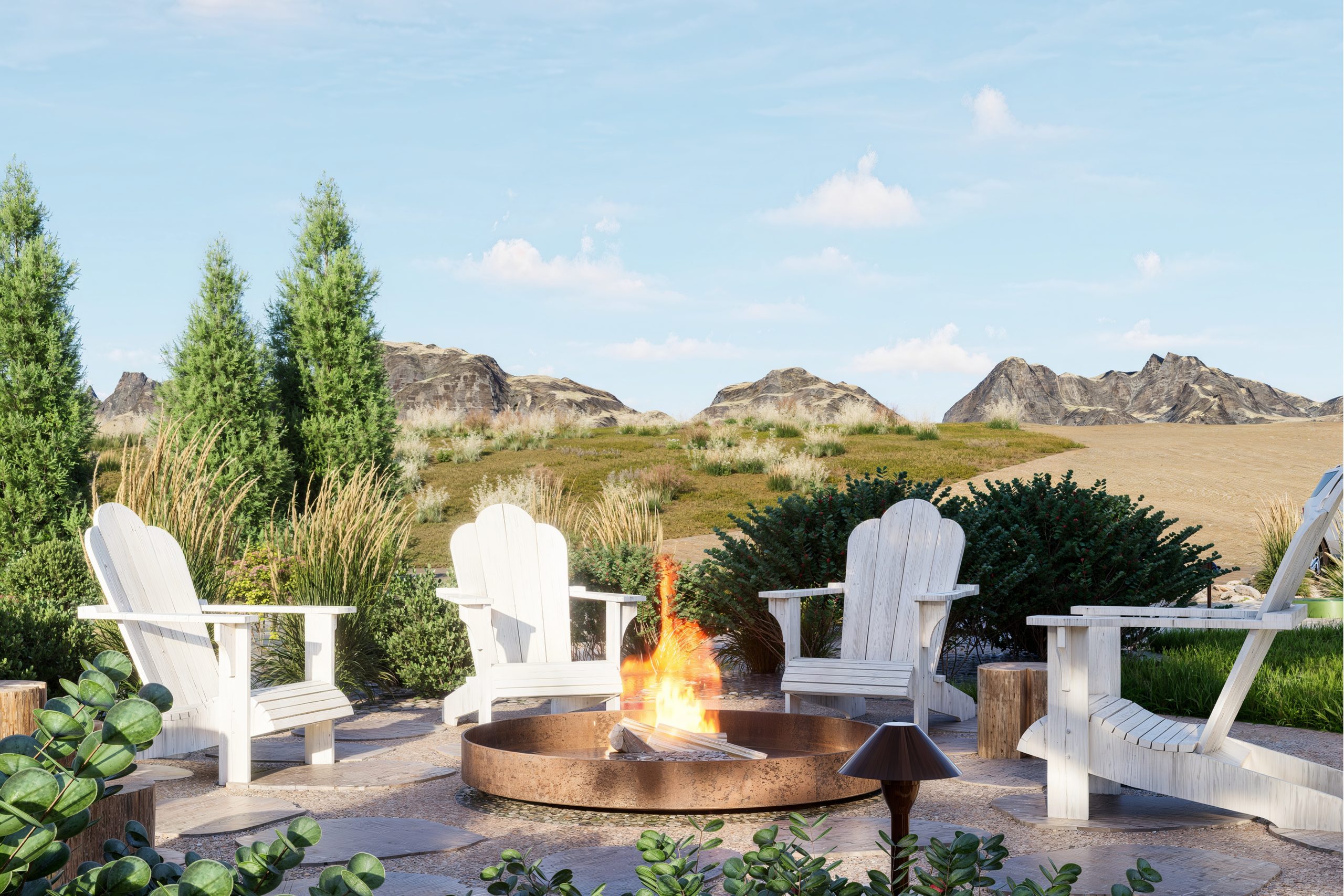
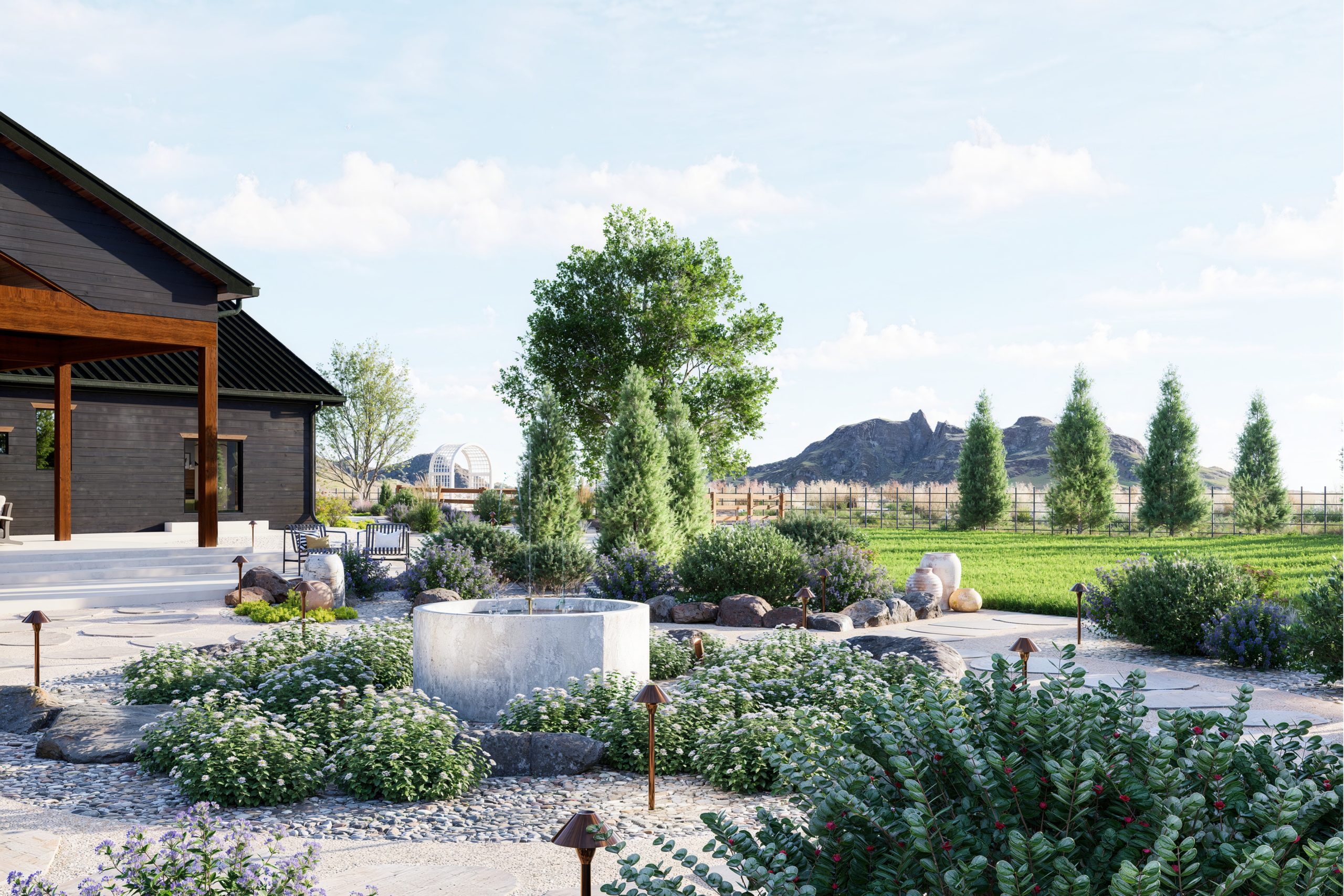
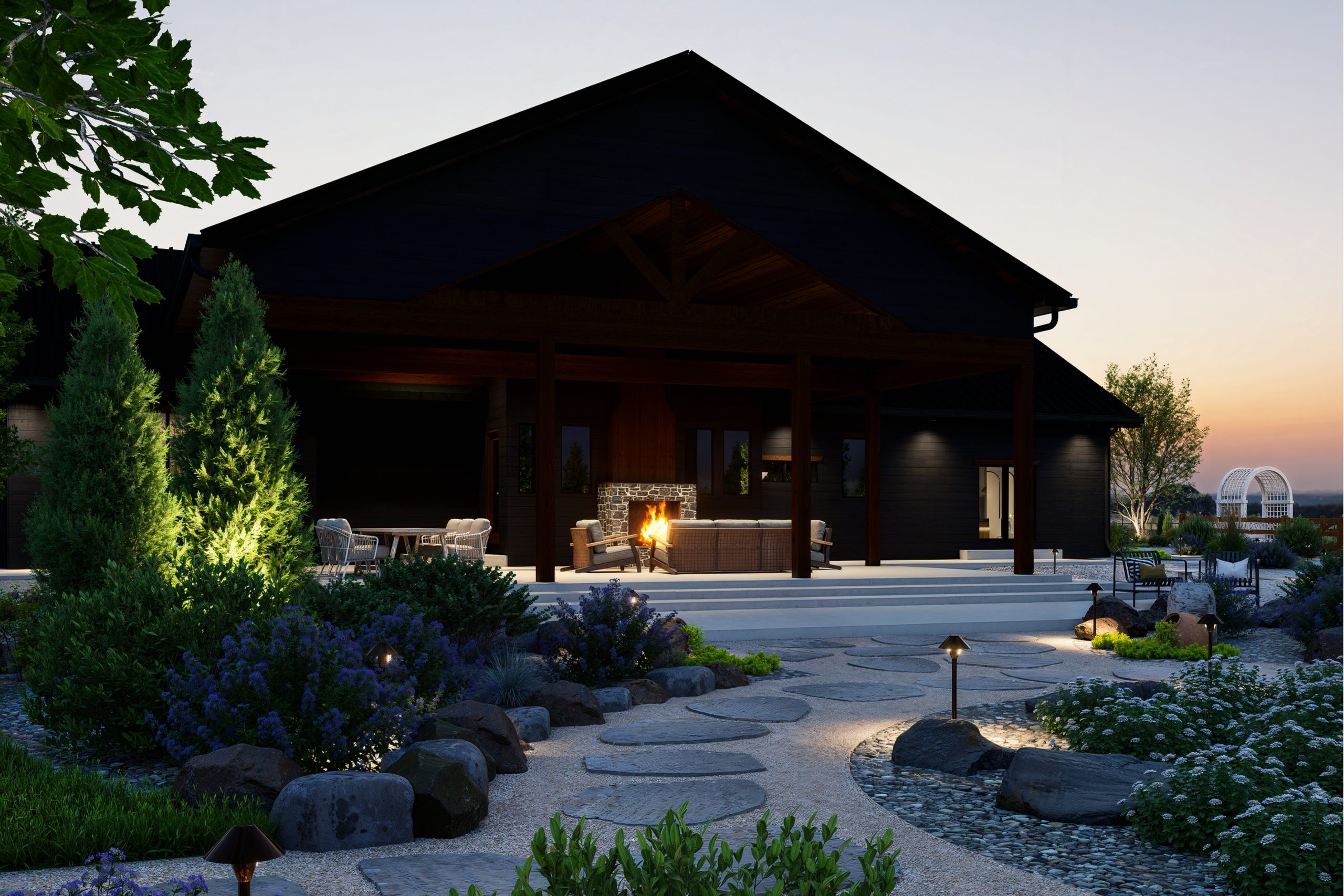
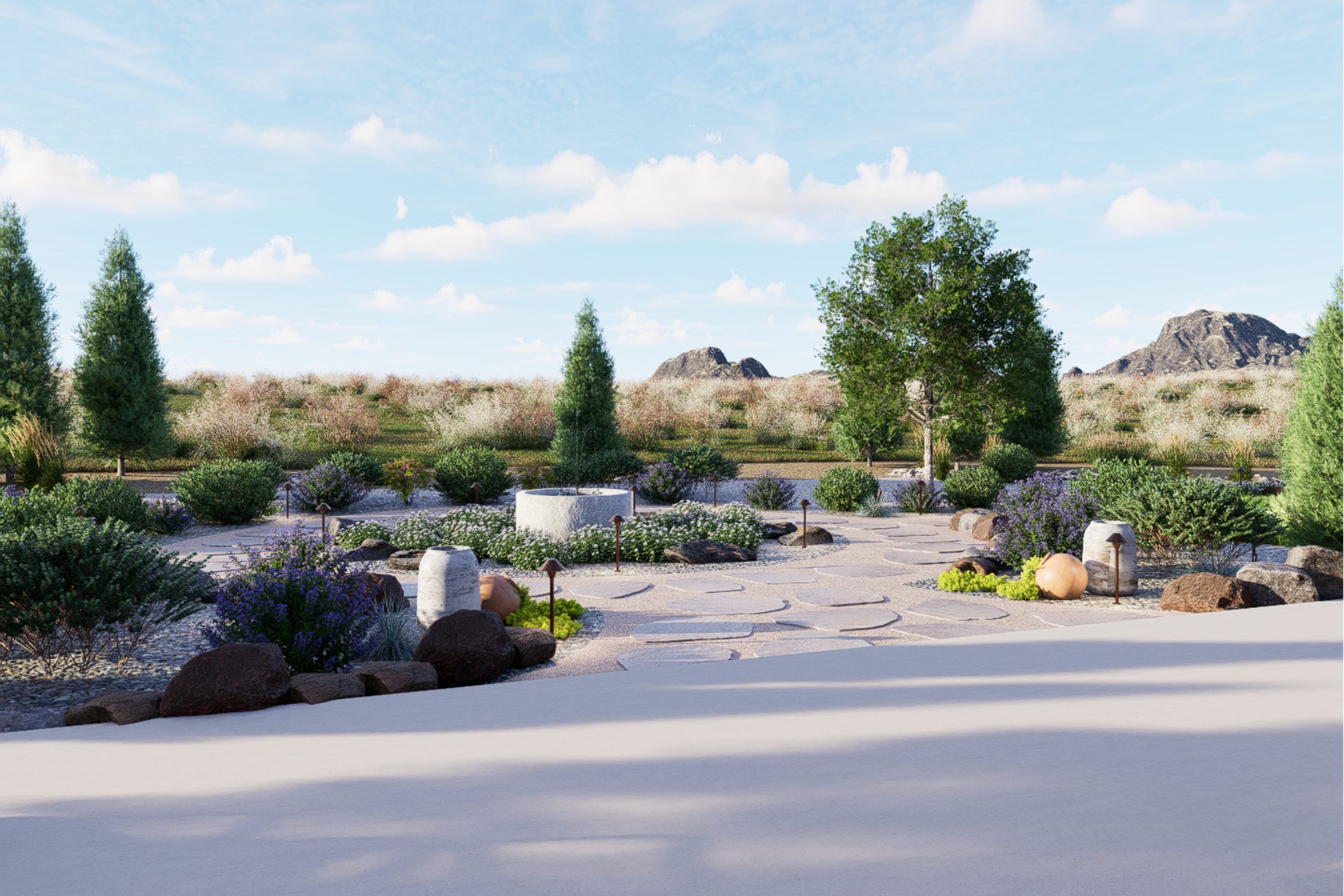
A Solid Structure First
Before any planting happens, the bones of the space need to be right. This means getting the layout, levels, and hardscape in place: patios, paths, retaining walls, raised beds, fences.
Think of it like renovating a room. You fix the floors and walls before you pick out furniture. In a backyard, structure comes first. Plants fill in around it.
Plants Chosen for the Place
One of the biggest mistakes in landscaping is choosing plants based on how they look in the nursery rather than how they’ll perform in your specific yard.
Successful transformations use plants suited to the local climate, soil, and light conditions. Native and regionally adapted plants are a smart choice, they’re more likely to thrive without constant attention, and they support local wildlife as a bonus.
Layers and Variety
Flat, single-layer planting looks bare and unfinished. The yards that photograph well and feel good to be in have depth. Tall plants at the back, mid-size in the middle, low groundcover at the front. Trees for shade, shrubs for structure, perennials for color and movement.
This layered approach also creates habitat for birds and insects, which makes the garden feel alive.
A Plan for Water
Every successful transformation includes some thought about water, both irrigation and drainage. Where does water come from? Where does it go? Simple upgrades like drip irrigation, rain gardens, or redirected downspouts can solve problems that no amount of planting will fix on their own.
Patience With the Process
This one is underrated. Most backyard transformations don’t look their best in the first year. Plants need time to establish. Soil needs time to improve. The space needs time to fill in.
The “after” photo in a great transformation was usually taken two or three seasons in—not two weeks after installation.
What to Do Before You Start
If you’re planning a transformation, a few things will set you up for success:
Spend time in the space first. Where does the sun hit in the morning? Where does it get too hot in the afternoon? Where does water pool after rain? Knowing your yard’s quirks before you plan saves a lot of problems later.
Get help where it counts. You don’t need to hire a landscape designer for everything, but if you have tricky drainage, significant grading, or a large space to work with, professional input early on can save you money and headaches down the track.
Set a realistic budget. Break it into phases if needed. It’s better to do one section properly than rush the whole yard on a thin budget.
Think long-term. Choose plants and materials that will look better in five years, not just five months.
The Bottom Line
A successful backyard transformation isn’t about spending a lot of money or following the latest design trend. It’s about understanding what the space needs, solving its real problems, and making choices that hold up over time.
The best “after” photos aren’t just beautiful — they show a space that works. One that fits the people who use it, handles the local climate, and gets better with every passing season.
That’s what a real transformation looks like.