

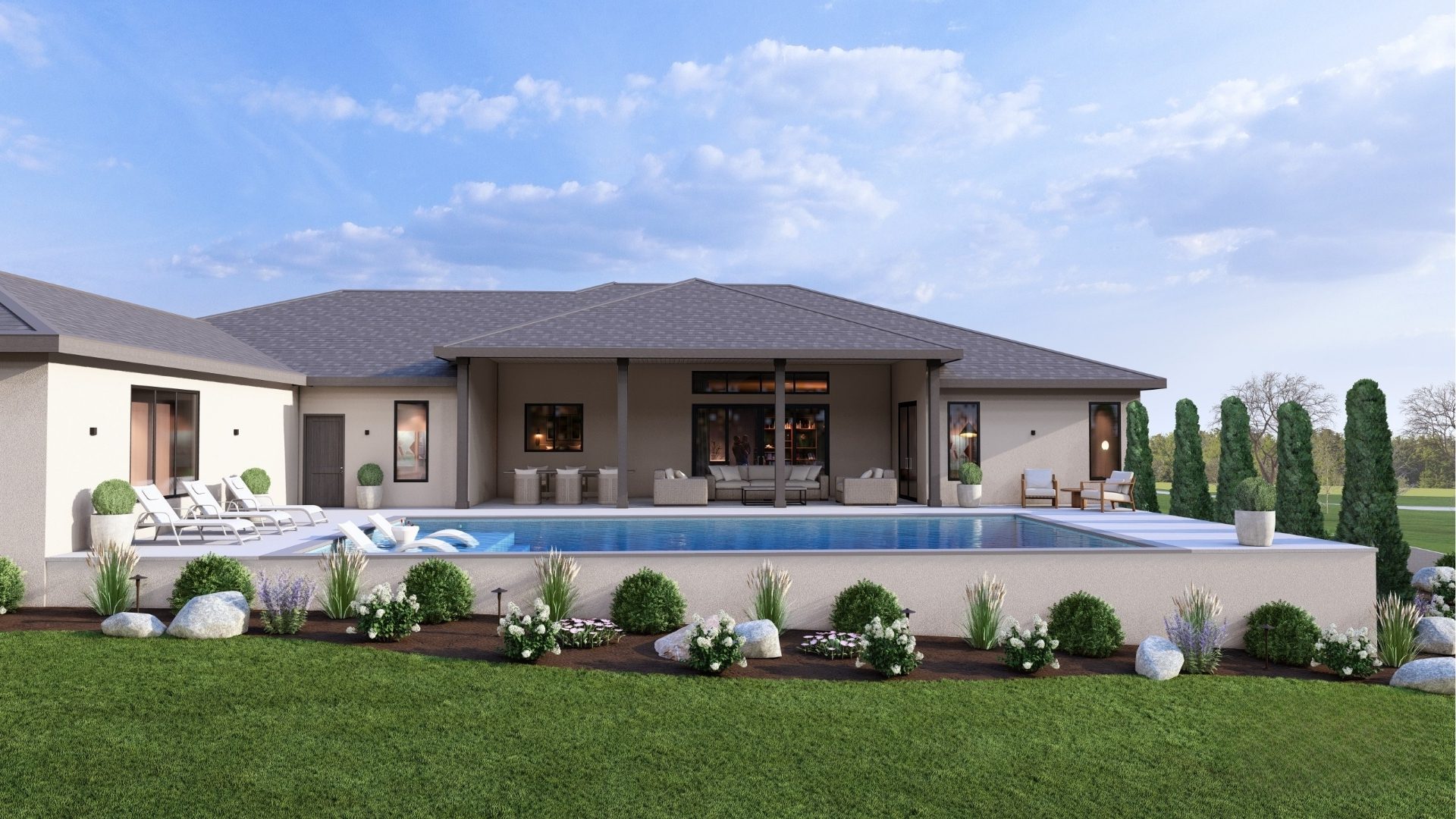

If you’ve ever looked at your lawn and wondered whether all that watering, mowing, and fertilizing is really worth it… you’re not alone. More homeowners, businesses, and communities are asking the same question. And the answer is reshaping how we think about outdoor spaces.
Sustainable landscaping isn’t a trend. It’s a response to real, pressing problems and it’s quickly becoming the standard, not the exception.
What Is Sustainable Landscaping?
Sustainable landscaping means designing and maintaining outdoor spaces in a way that works with nature instead of against it. That includes:
- Using plants that are native or well-adapted to your local climate
- Reducing water use through smart design and drought-tolerant plants
- Cutting out (or cutting back) synthetic fertilizers and pesticides
- Supporting local wildlife like birds, bees, and butterflies
- Managing rainwater on-site instead of letting it run off
It doesn’t mean letting your yard go wild. A sustainable landscape can be just as beautiful and often more interesting than a traditional lawn.
Why It Can’t Be Ignored Anymore
1. Water Is Getting Scarce
Traditional lawns are thirsty. The average household uses up to 10,000 gallons of water on their lawn every year on top of normal rainfall. In many parts of the world, that’s simply not sustainable.
Droughts are longer. Aquifers are dropping. Water restrictions are becoming more common. Landscapes that depend on heavy irrigation are expensive to maintain and, in some areas, may soon face legal limits.
Switching to native plants and water-wise design can cut outdoor water use by 30–50%. That’s a big difference for your water bill and for your community.
2. Our Local Wildlife Is Struggling
Bees, butterflies, and other pollinators are in serious decline. One major reason: the landscapes around them have changed. Lawns made up of a single type of grass offer no food, no shelter, and no habitat for the insects and birds that keep ecosystems healthy.
Native plants change that. They’ve evolved alongside local wildlife and provide exactly what those species need. Adding even a small area of native plantings to your yard can make a real difference for local biodiversity.
3. Cities Are Getting Hotter
If you live in or near a city, you’ve probably noticed it gets noticeably hotter in summer than it did years ago. This is called the urban heat island effect and traditional landscaping makes it worse.
Hardscaping (concrete, asphalt) and sparse vegetation absorb and radiate heat. Trees, layered plantings, and green groundcovers do the opposite. They shade surfaces, release moisture, and cool the air. Sustainable landscapes are one of the most effective tools cities have for managing rising temperatures.
4. Regulations Are Changing
Local governments are responding to climate and water pressures with new rules. Water-use restrictions, runoff regulations, and incentive programs for eco-friendly landscaping are becoming more common in many regions.
In some areas, heavily water-dependent lawns may already be restricted. In others, homeowners who make sustainable upgrades can qualify for rebates or reduced utility rates. Either way, the direction of policy is clear.
It Also Makes Financial Sense
Sustainable landscaping isn’t just good for the environment, it’s good for your wallet.
Once native and drought-tolerant plants are established, they need far less care than traditional lawns. Less watering. Less fertilizing. Less mowing. Over five years, most homeowners who make the switch report significant savings on maintenance and water costs.
And if you’re thinking about property value: mature trees, pollinator gardens, and thoughtful natural landscaping consistently score well with buyers. What once looked “unkempt” is increasingly seen as intentional, modern, and desirable.
How to Get Started
You don’t have to redesign your entire yard overnight. Small changes add up.
Start with one section. Replace a patch of high-maintenance lawn with native groundcover or a simple wildflower bed. See how it looks and feels before going further.
Choose the right plants. Look for species native to your region. Your local nursery, native plant society, or university extension program can point you in the right direction.
Think about water. Even simple steps like pointing your downspout toward a garden bed instead of the street help keep water on your property where it can do some good.
Feed your soil. Healthy soil grows healthy plants. Add compost, avoid tilling where you can, and let fallen leaves break down naturally instead of bagging them.
Go easy on chemicals. Many pest and weed problems can be managed without synthetic products. Healthy, well-placed plants are naturally more resilient.
The Bottom Line
The way we’ve landscaped for the past century was never really sustainable. It just didn’t feel urgent. Now it does.
Water shortages, biodiversity loss, climate change, and shifting regulations are all pointing in the same direction: the landscapes we create need to do more than look good. They need to function managing water, supporting life, and adapting to the conditions we actually live in.
Sustainable landscaping isn’t a sacrifice. It’s a smarter, more resilient way to use the land around us. And the good news is, it starts with small decisions in your yard, on your block, in your community.