

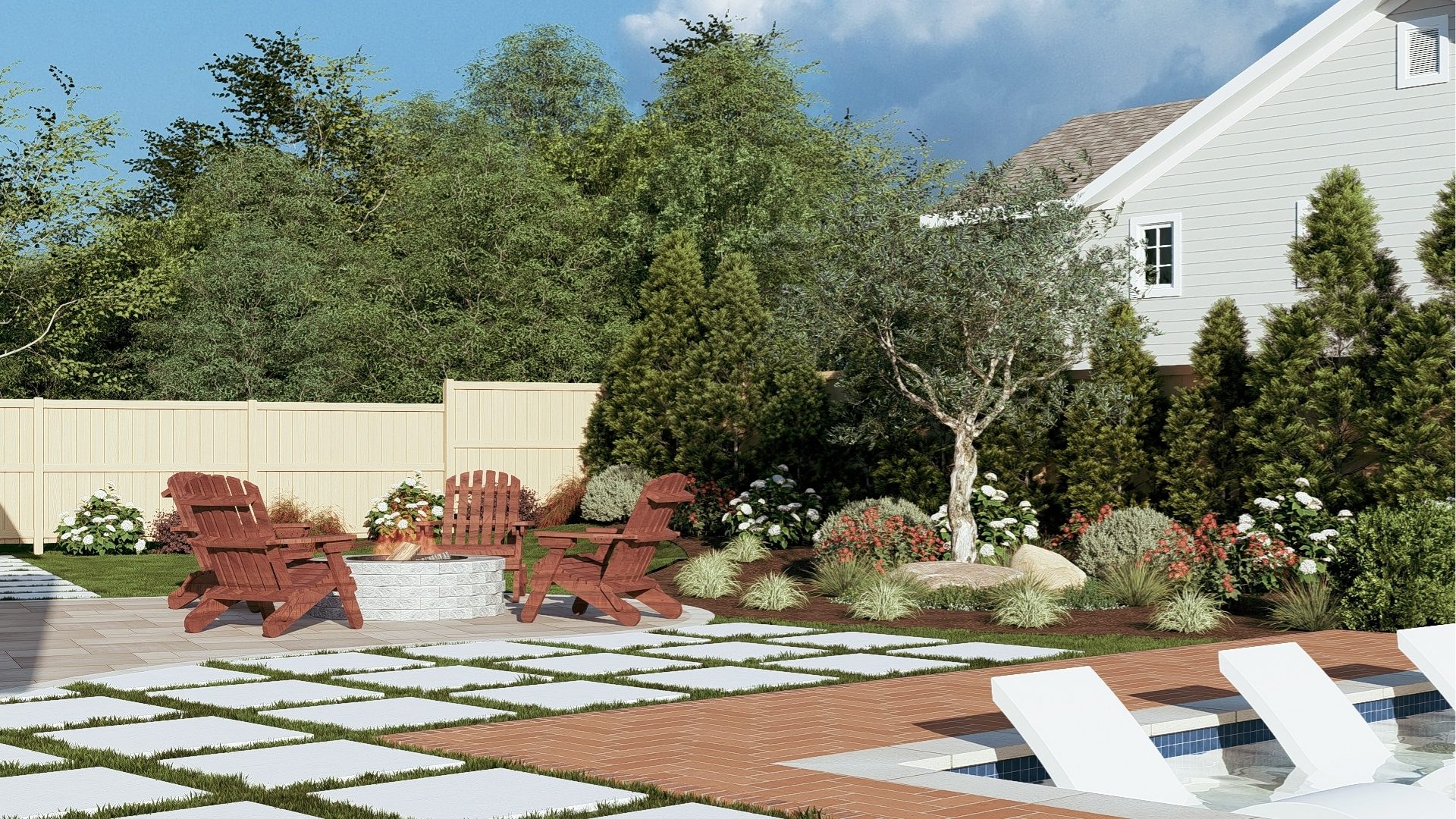

A clean, professional planting design instantly makes a project feel more intentional, higher-end, and easier to maintain. Clients may not always know why a landscape looks polished, but they recognize the feeling when they see it.
For contractors, structured planting plans help:
- Make projects look more premium
- Reduce visual clutter
- Simplify installation
- Improve long-term maintenance
- Increase client confidence in the design
Below are some of the best planting styles that consistently create a sharp, professional appearance.
1. Layered Planting Design
Layering plants by height creates depth while keeping the design organized. Instead of mixing random plant sizes, this approach uses a clear structure:
- Taller plants in the back
- Medium plants in the middle
- Groundcovers in the front
Benefits:
- Creates visual order
- Highlights focal points
- Works well for modern and traditional homes
- Helps plants grow without overcrowding
Layering makes landscapes feel intentional rather than random.

2. Mass Planting (Repetition)
Repeating the same plant throughout a bed creates unity and simplicity. Mass planting reduces visual noise and makes the space easier to understand.

Benefits:
- Easier installation
- Cleaner appearance
- More predictable maintenance
- Strong visual impact
A good rule: fewer plant varieties often leads to a more professional look.
3. Modern Minimalist Planting
Minimalist planting focuses on limited plant types and strong spacing between elements. This style pairs especially well with modern architecture and high-end outdoor living designs.
Common characteristics:
- Neutral color palette
- Architectural plants
- Clean bed lines
- Simple groundcover materials like gravel or mulch

4. Formal Symmetrical Planting
Symmetry naturally feels organized and polished. Matching plant layouts on both sides of an entryway or pathway creates a balanced aesthetic.
Formal planting styles are commonly used in luxury residential landscapes.

Benefits:
- Works well for front yards
- Creates strong curb appeal
- Easy for clients to understand visually
- Timeless design approach
5. Structured Linear Planting
Linear planting follows straight or gently curved lines that complement the hardscape layout.
This works especially well for walkways, pool edges, retaining walls, fence lines, and modern patios.
Benefits:
- Reinforces architectural flow
- Creates strong visual direction
- Enhances modern outdoor spaces
Straight lines often feel more intentional than scattered plant placement.
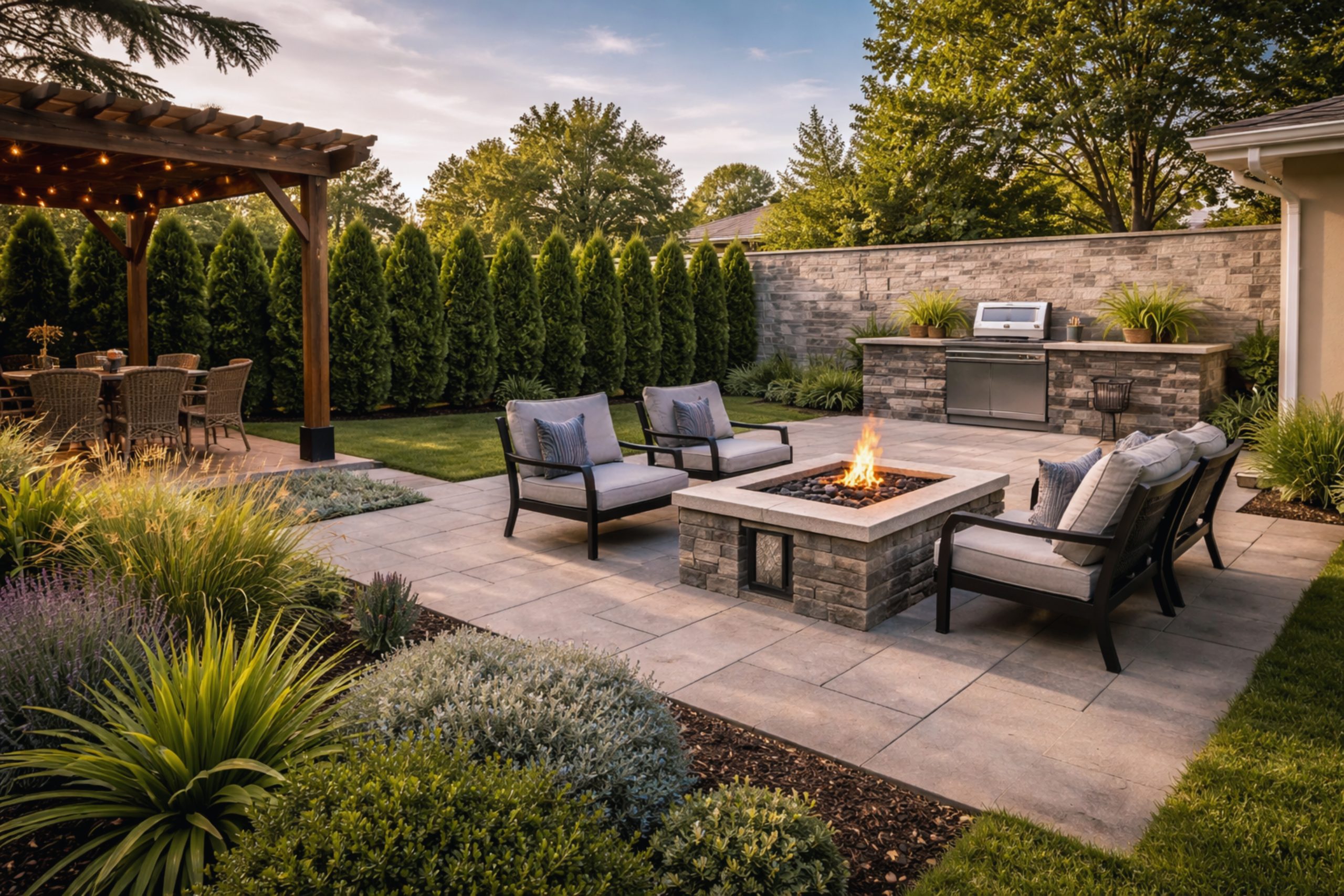
Tips for a Clean, Professional Planting Design
Keep plant variety limited, too many plant types can make the design feel busy. Focus on spacing. Plants need room to grow and maintain their shape.
Match planting style to architecture. Modern homes typically look best with simpler plant palettes. Use repetition strategically. Repeating plant types creates rhythm and consistency. Plan for mature size. A design should look clean both immediately and years later.
Combine planting with strong hardscape lines. Clear edges help define planting areas.
Final Thoughts
Clean planting design is not about using more plants. It is about using the right plants in the right structure. When planting layouts feel organized and intentional, the entire project appears more professional and of higher value.
Contractors who use structured planting strategies often find that clients feel more confident moving forward because the design looks easier to understand, install, and maintain.
Simple planting plans often create the strongest visual impact.