

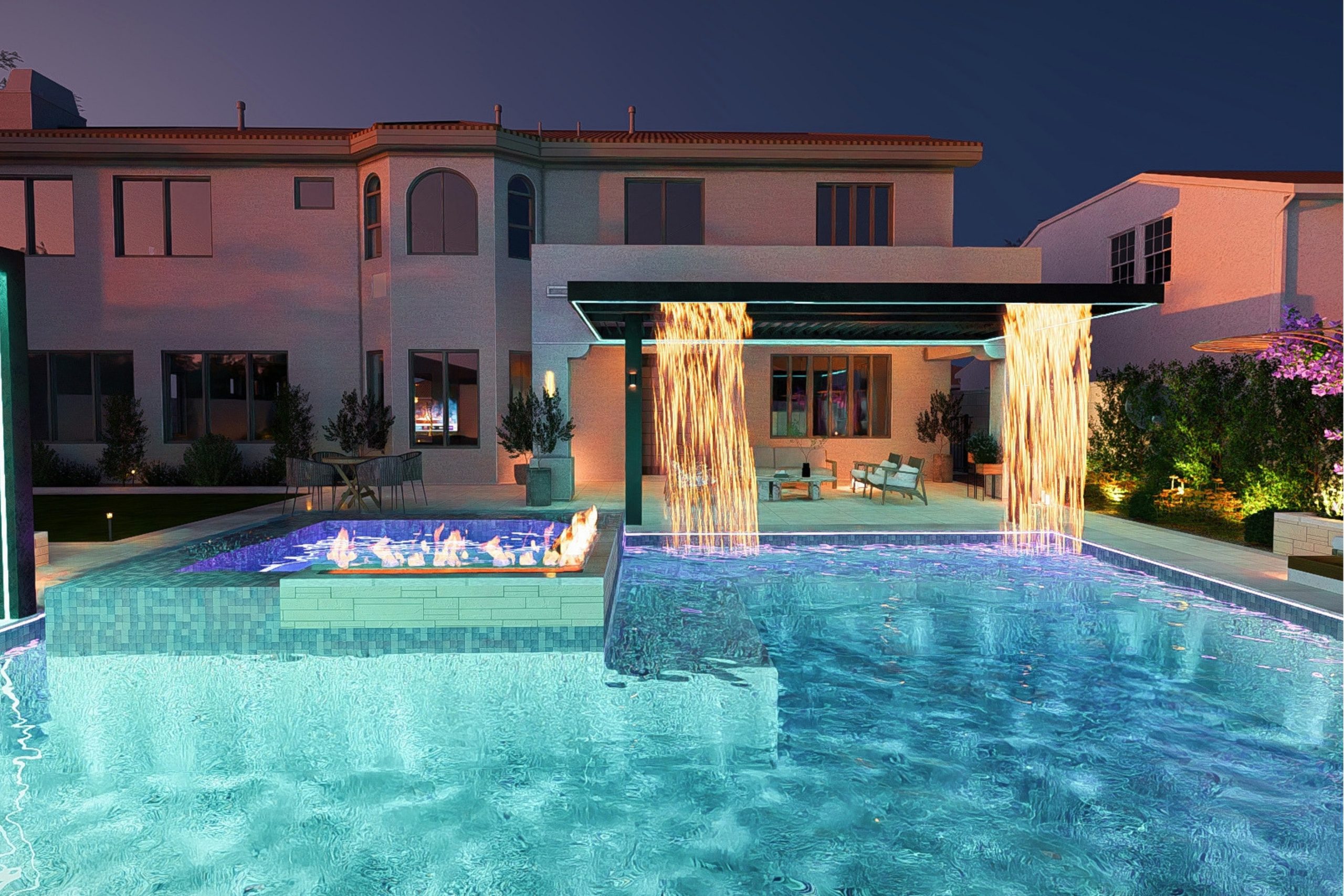

Mixing materials is one of the fastest ways to make an outdoor space feel custom, high-end, and professionally designed. When done right, combining textures like stone, wood, concrete, and metal creates visual interest, improves functionality, and increases perceived project value.
Contractors who understand how to mix materials strategically often win higher-budget projects because the design feels intentional, balanced, and premium.
Below is a practical guide to mixing materials like a pro while keeping projects buildable and priceable.
Why Mixing Materials Works
Outdoor spaces feel flat when everything uses the same finish. Variation in texture, color, and surface type helps define zones and creates a layered look that feels designed, not generic.
Strong material combinations also:
- Highlight focal points
- Improve durability in high-use areas
- Reduce heat absorption
- Guide movement through the space
- Increase perceived value of the project
A well-balanced palette makes the entire project feel cohesive without feeling repetitive.
Step 1: Start With a Dominant Material
Choose one primary material that will cover most of the space. This creates visual consistency and keeps the design grounded.
Common dominant materials:
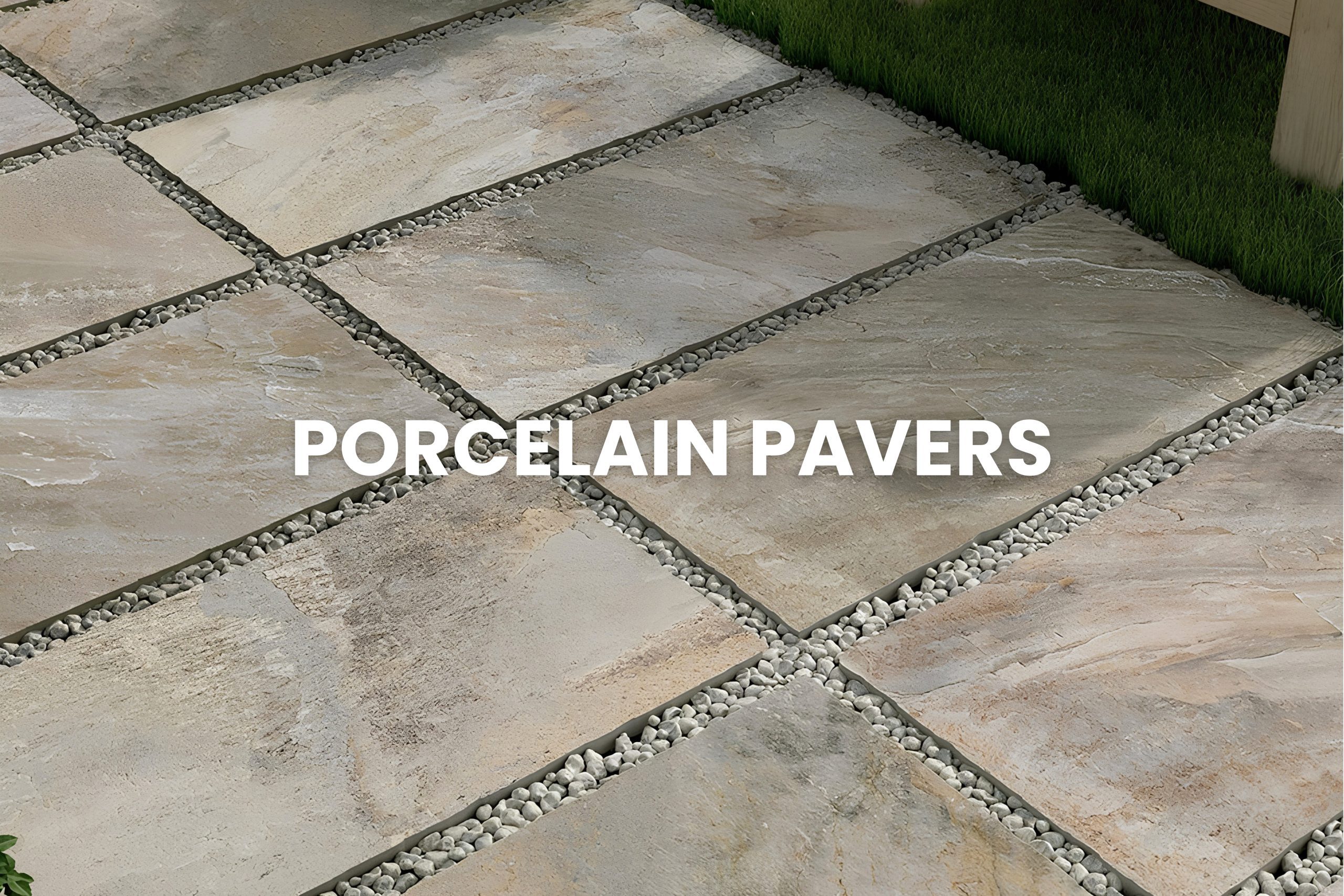
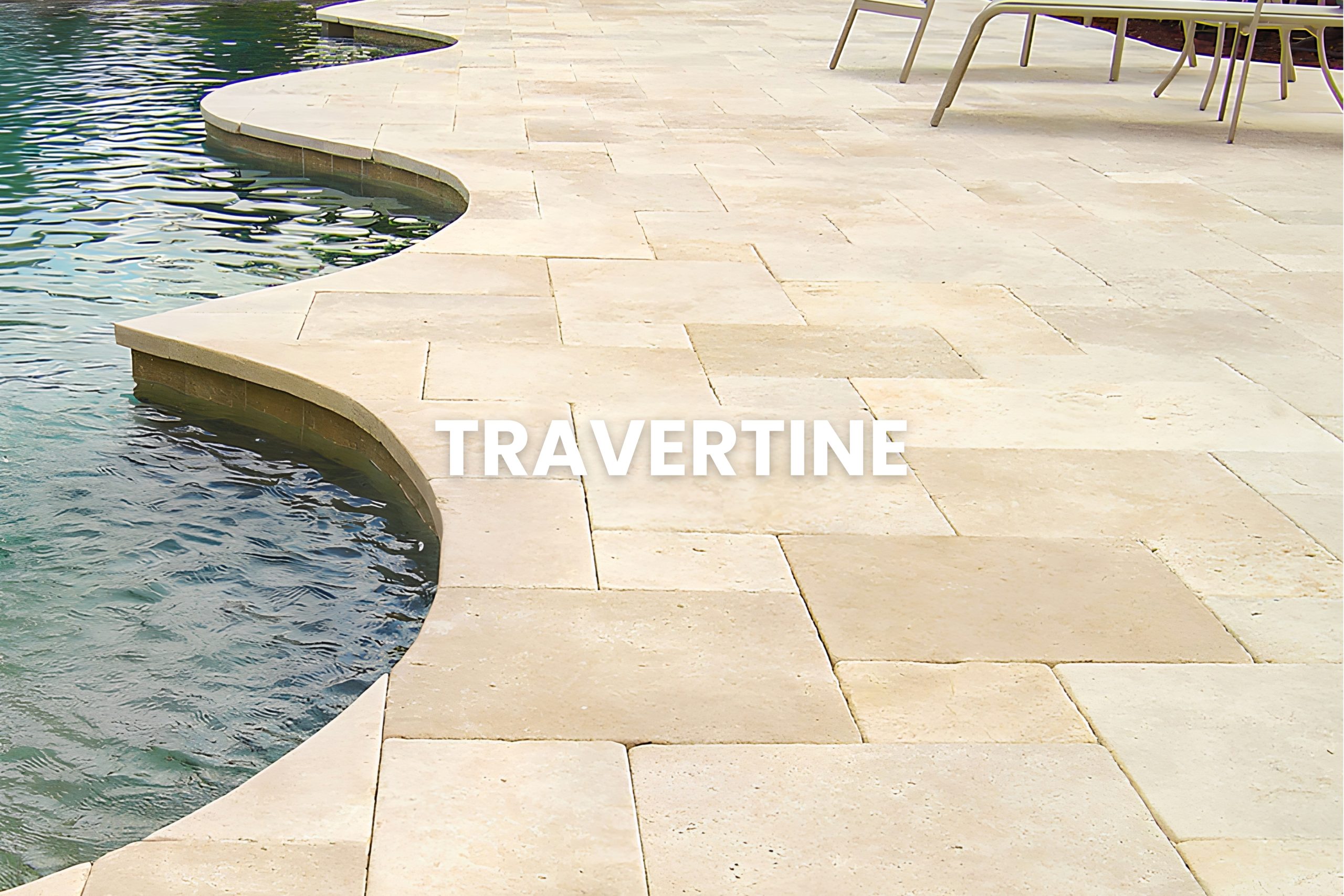
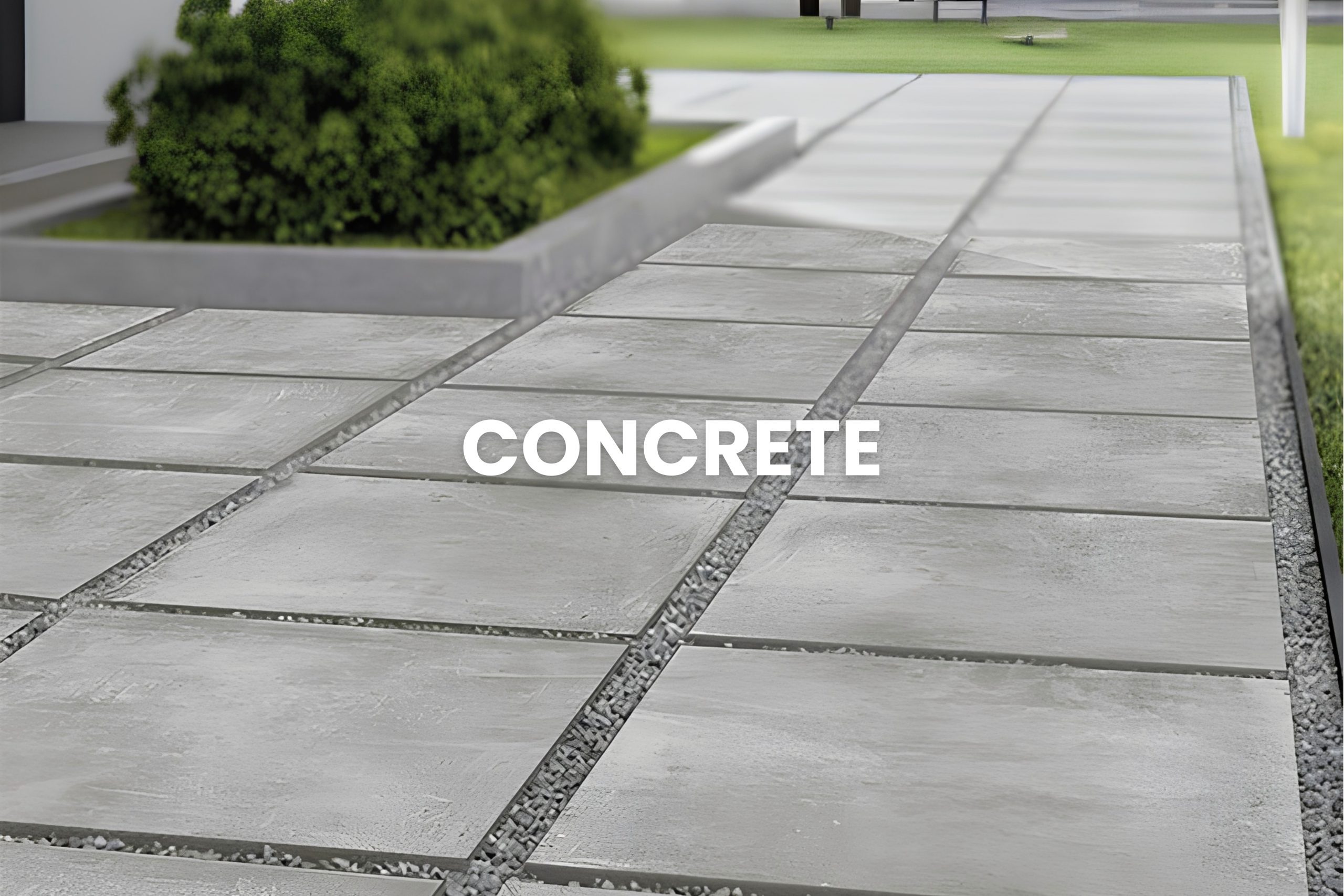
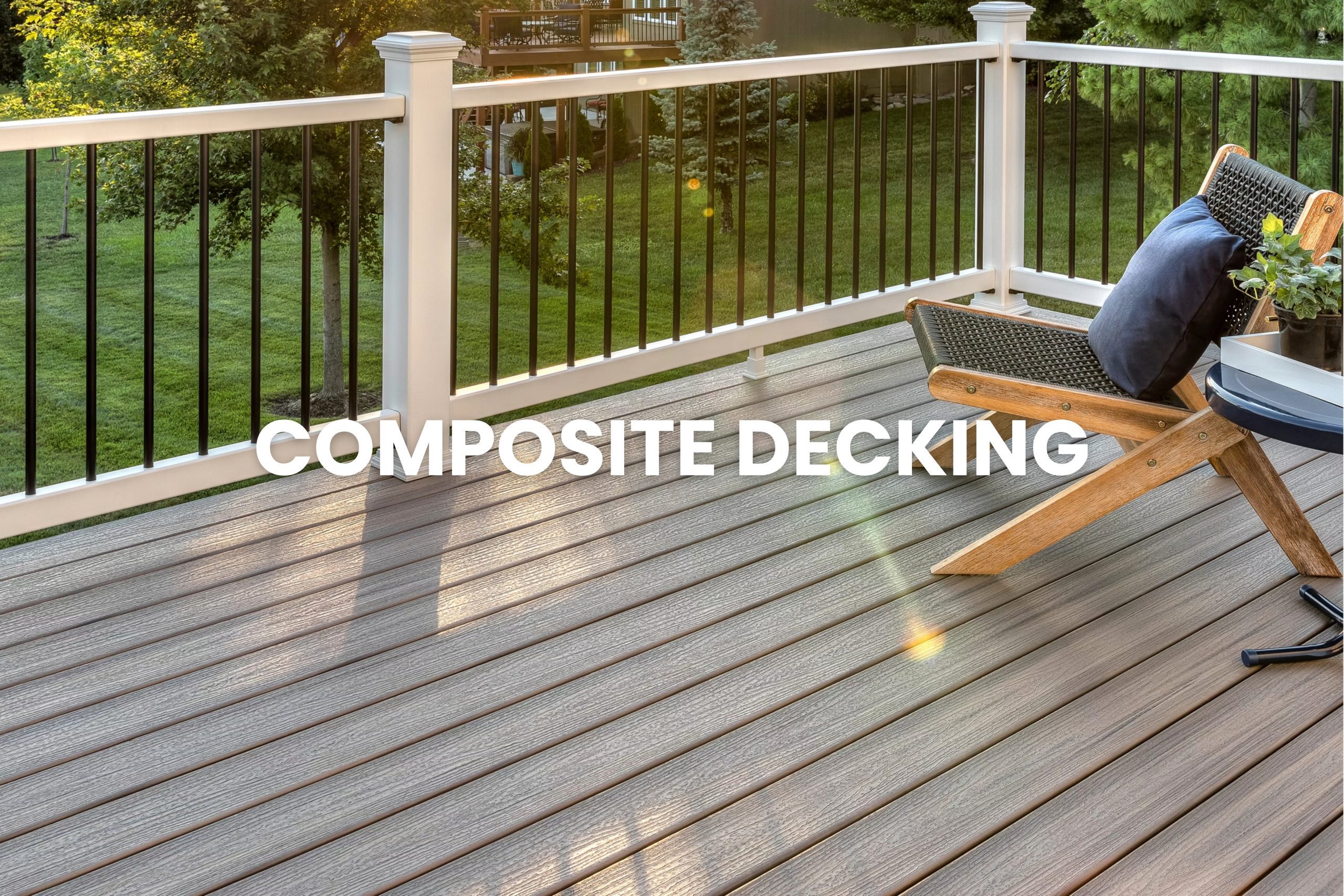
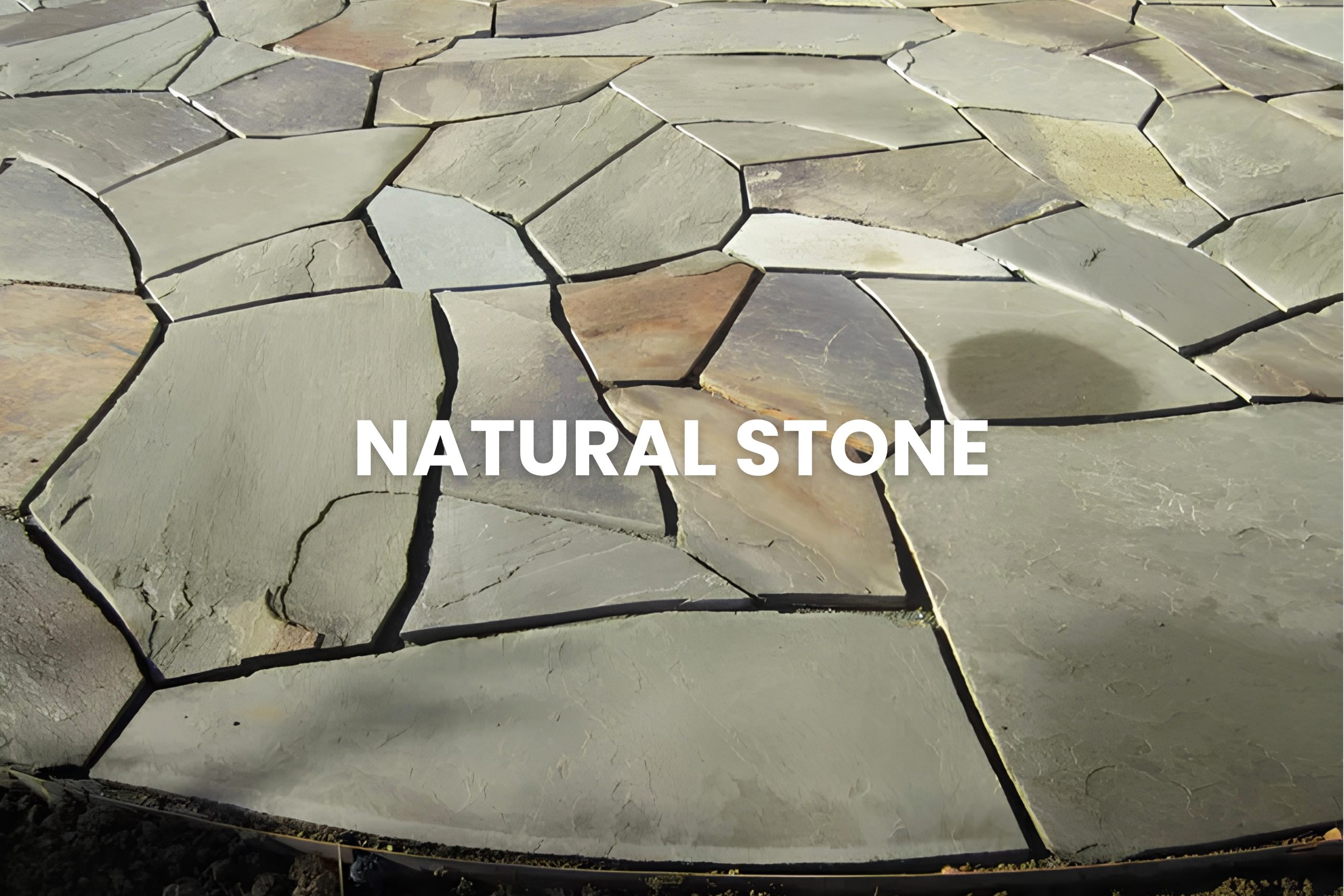
The dominant material should cover around 60–70% of the hardscape.
Example: Large-format porcelain pavers used throughout the patio with accent materials layered in key areas.
Step 2: Add a Secondary Material for Contrast
The second material introduces contrast and prevents the design from feeling monotone. The goal is noticeable variation without visual chaos.
Good pairings include:
- Smooth concrete + textured natural stone
- Light travertine + dark wood tones
- Porcelain pavers + decorative gravel
- Composite decking + metal accents
Contrast can come from:
- Color
- Texture
- Pattern
- Scale
Step 3: Use Accent Materials to Define Zones
Accent materials help separate functional areas without adding walls or barriers.
Examples:
- Gravel bands between paver sections
- Wood decking for lounge areas
- Stepping stones surrounded by ground cover
- Decorative stone under pergolas
- Tile feature walls near outdoor kitchens
This approach helps organize the layout while maintaining flow.
Step 4: Balance Warm and Cool Tones
Professional designs often mix warm and cool materials carefully.
Warm tones:
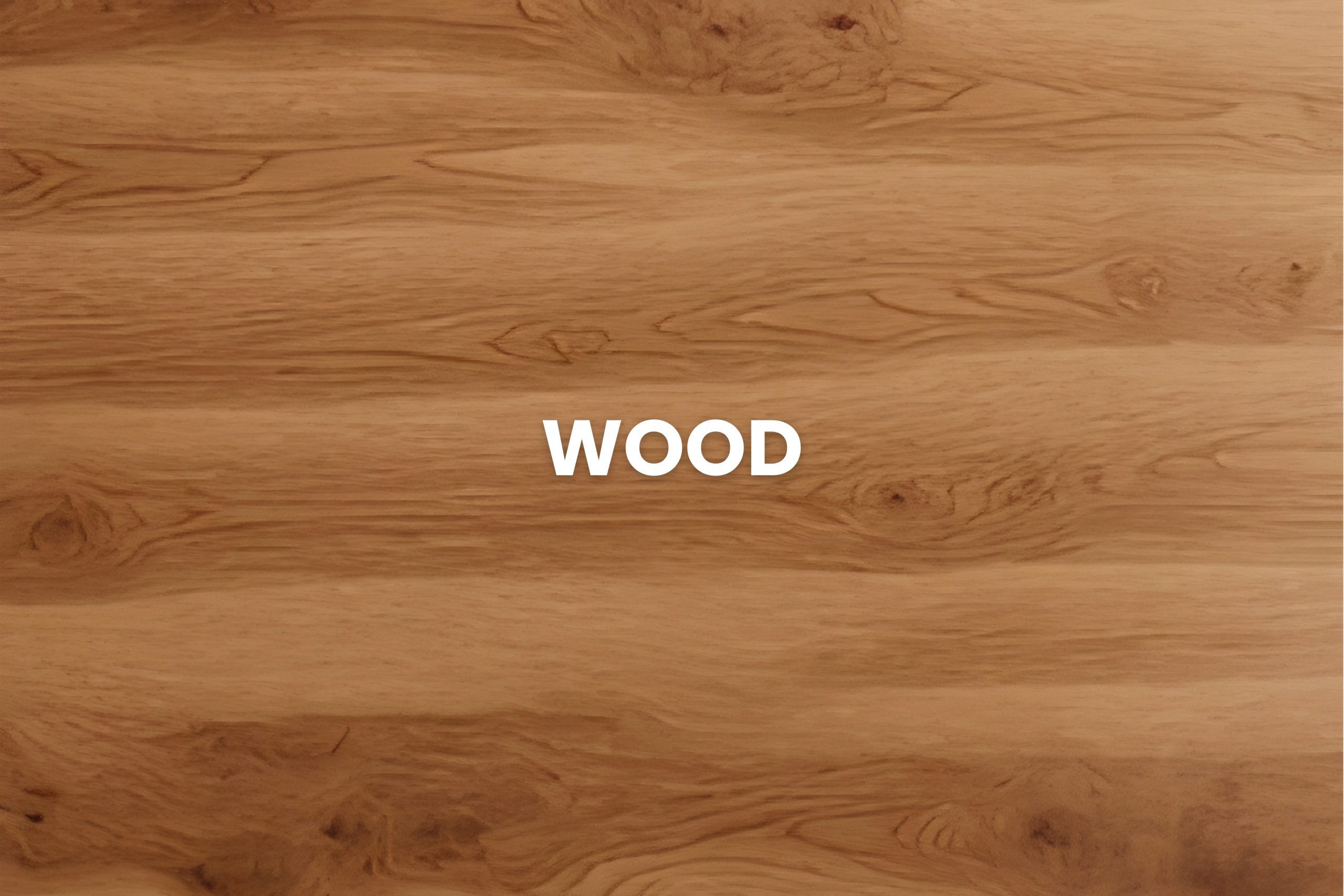
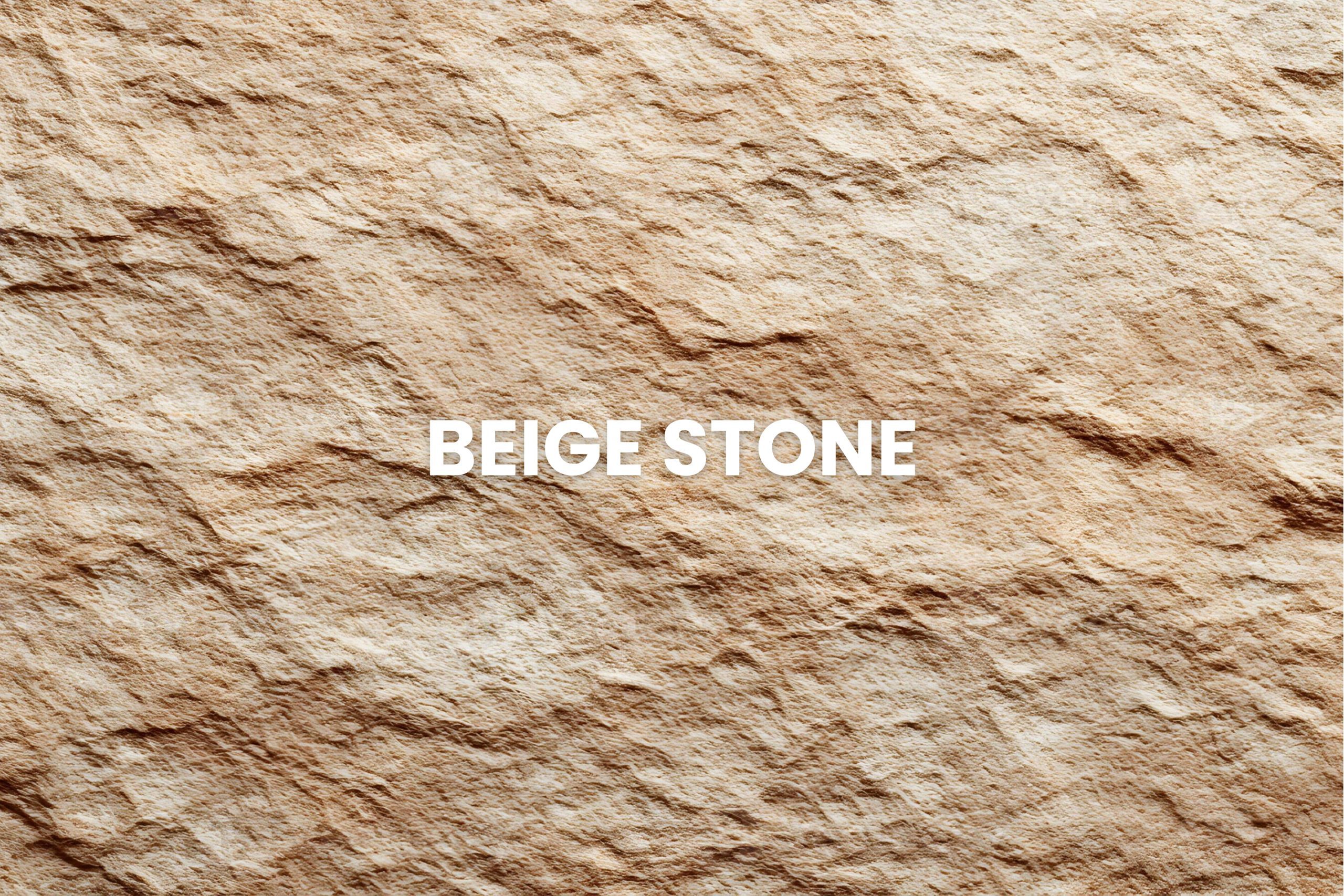
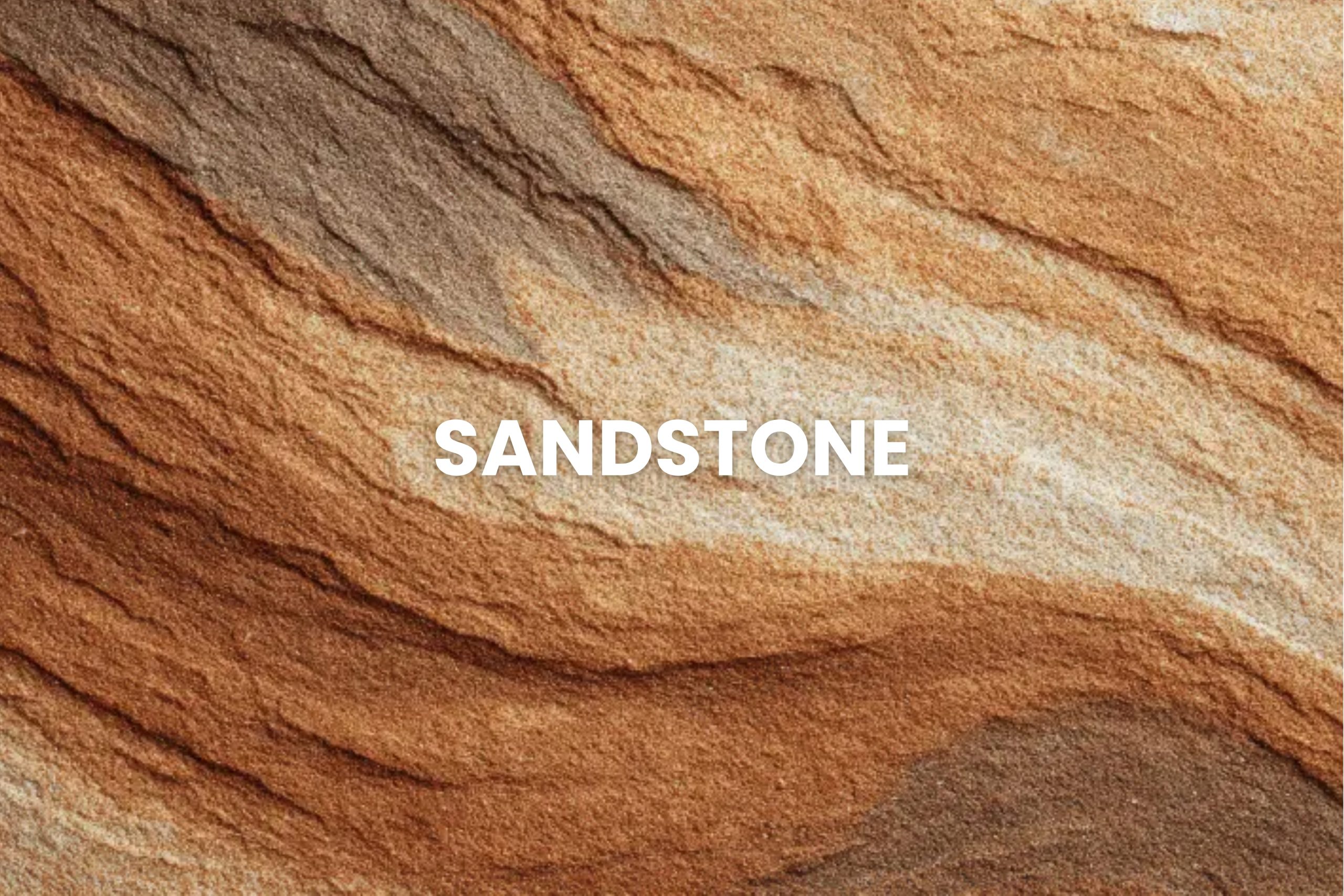
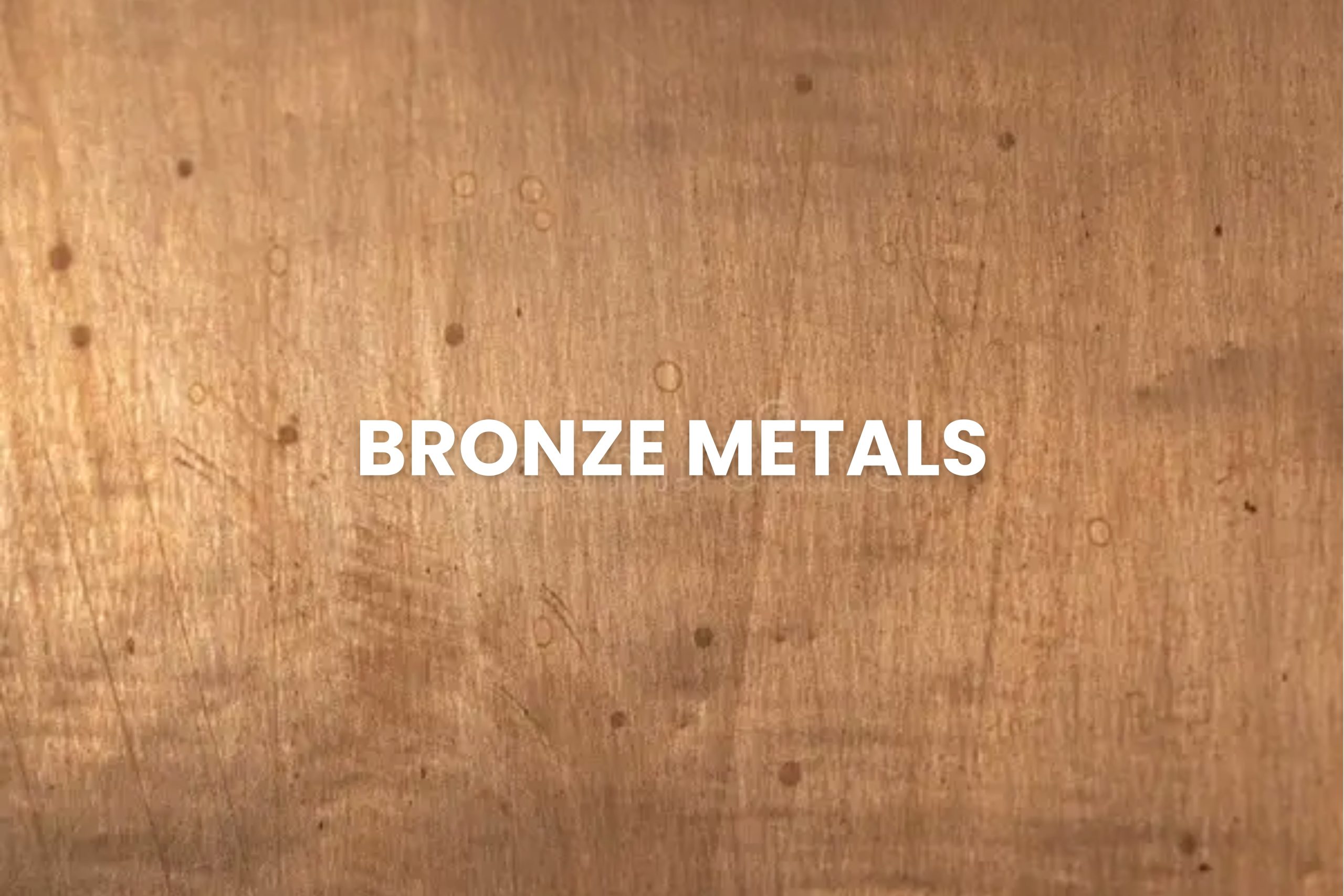
Cool tones:
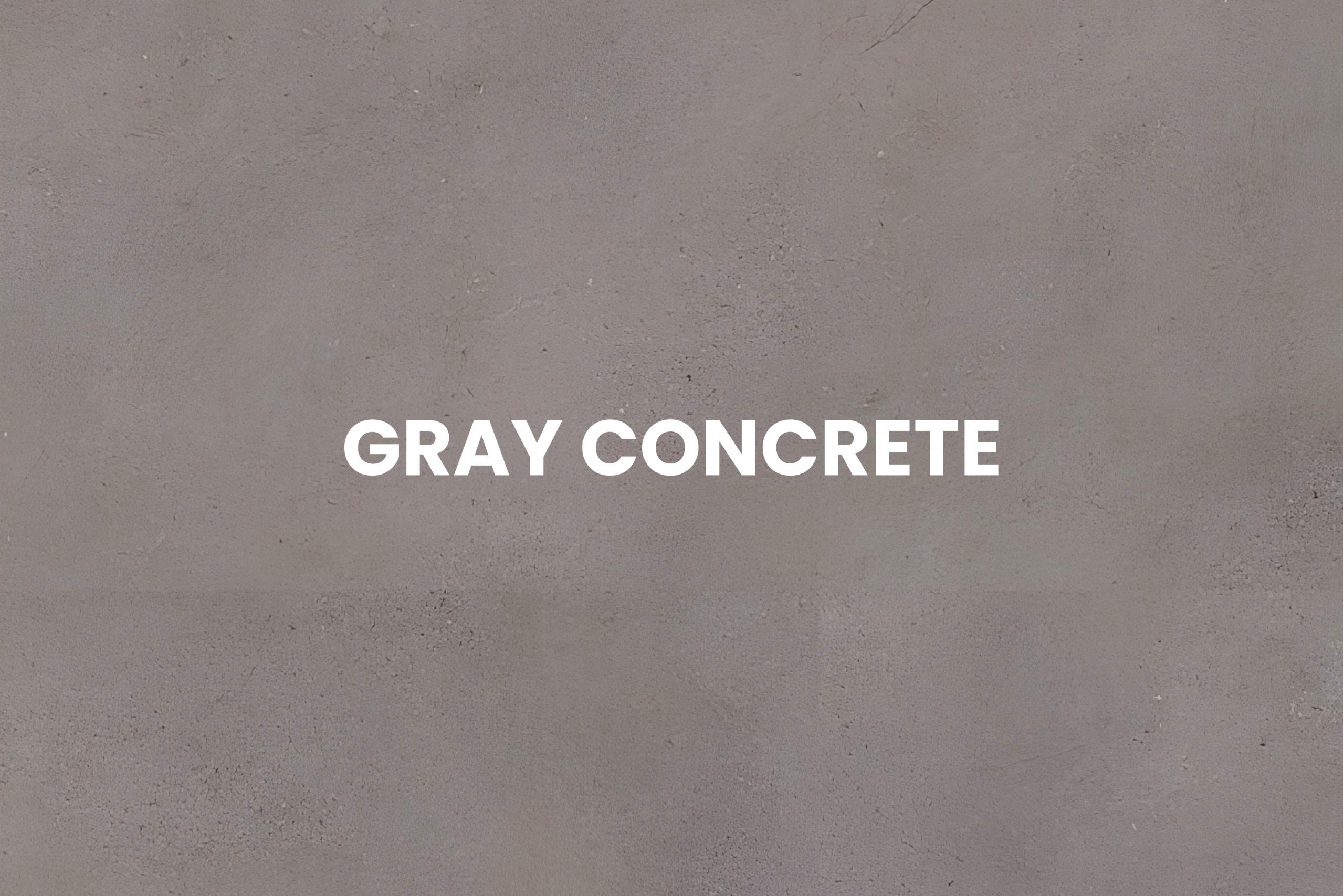

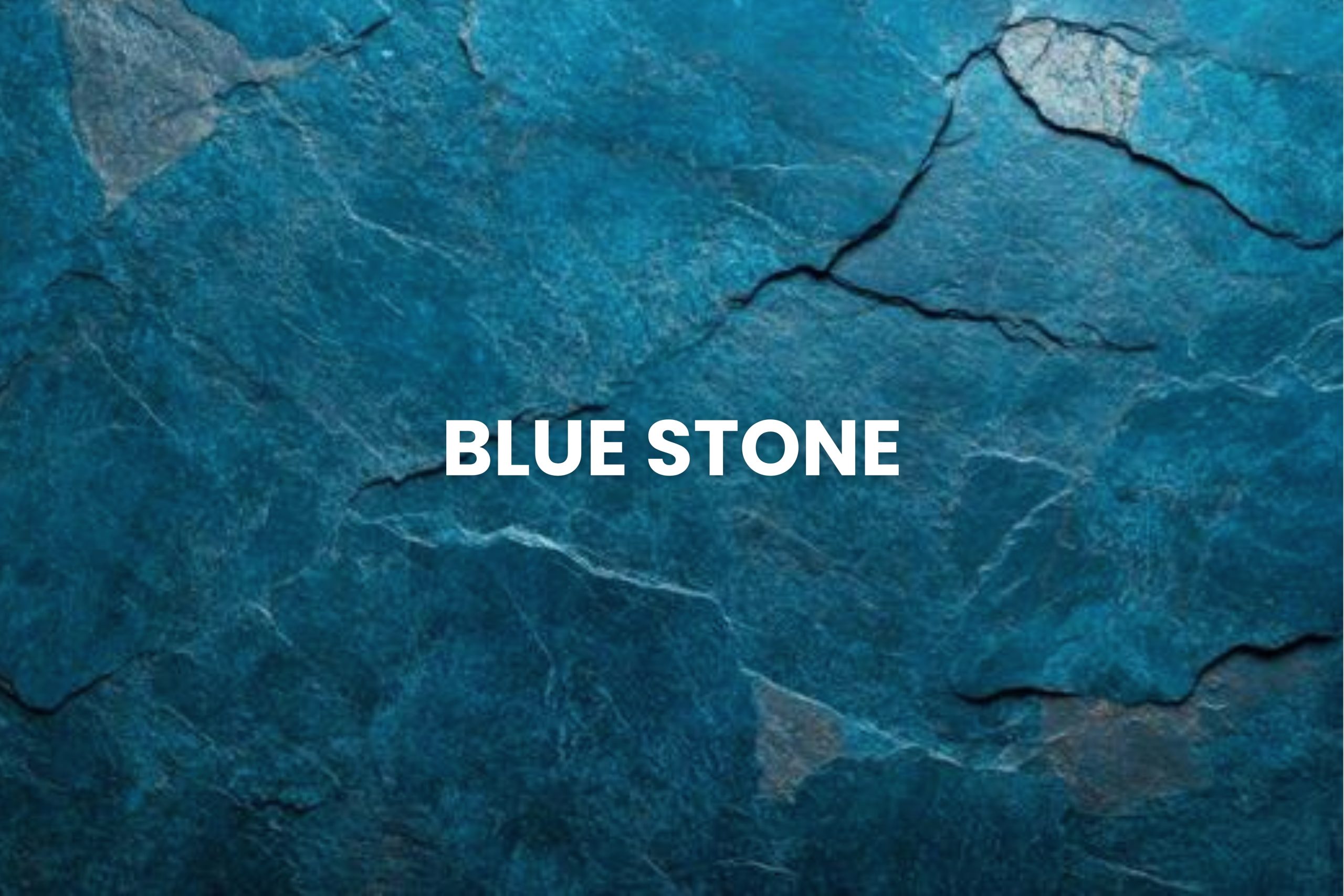
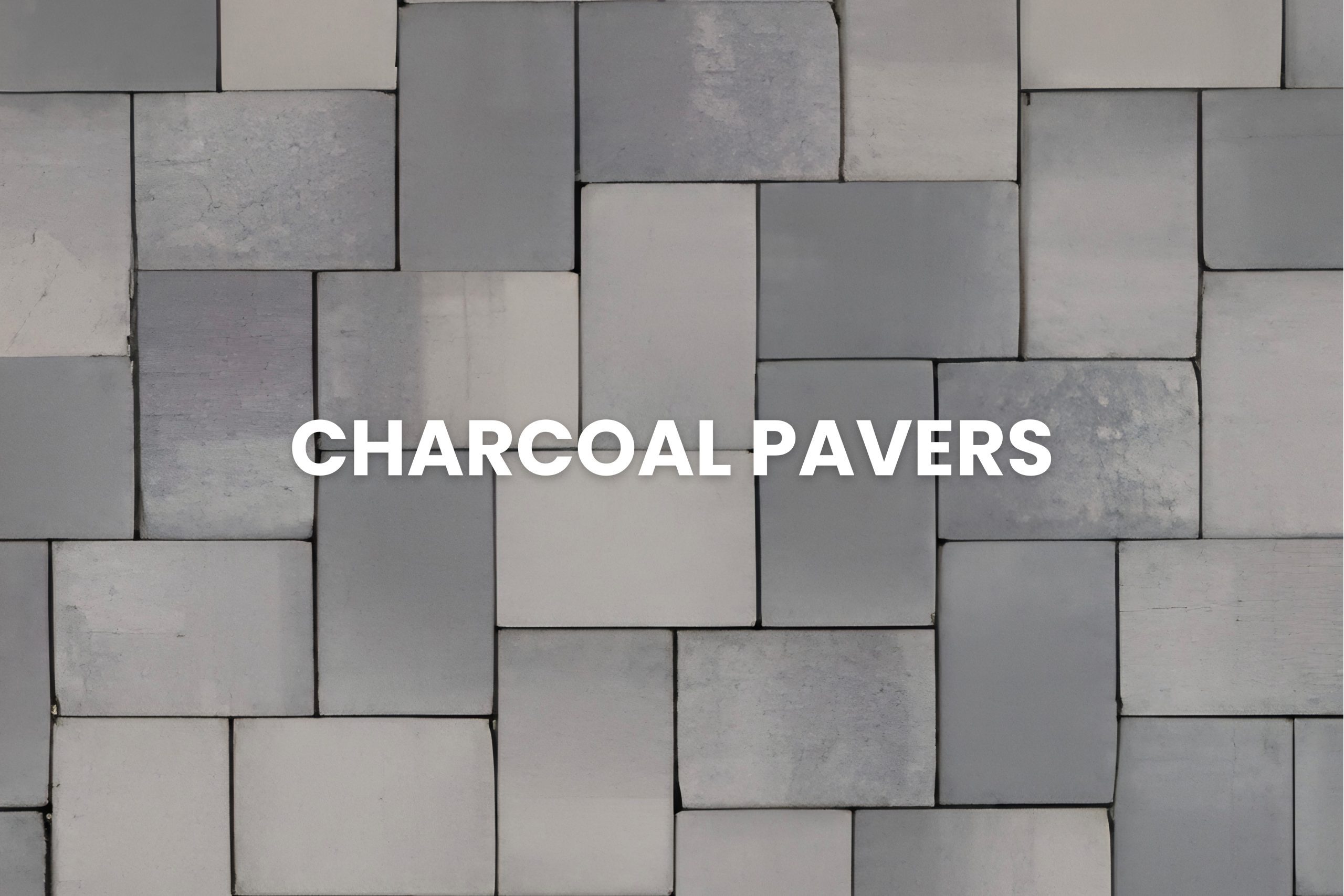
Combining both creates depth and avoids a flat color palette.
Example: Warm wood pergola paired with cool gray pavers and neutral planting tones.
Step 5: Repeat Materials for Cohesion
Repeating materials across the design creates rhythm and consistency.
Ways to repeat materials:
- Use the same stone on steps and retaining walls
- Match outdoor kitchen stone with fire pit cladding
- Continue decking material on seating platforms
- Repeat metal finishes on lighting and pergola hardware
Repetition prevents the design from feeling random.
Step 6: Consider Maintenance and Durability
Material choices should match how each area will be used. Choosing the right material for each zone improves longevity and client satisfaction.
Covered areas:
- Wood accents
- Tile features
- Decorative finishes
High-traffic areas:
- Porcelain pavers
- Concrete
- Natural stone
Pool areas:
- Slip-resistant materials
- Light-colored surfaces to reduce heat
Step 7: Keep the Palette Simple
Most professional outdoor designs use 3–4 materials total.Limiting the palette keeps the design clean and buildable.
Typical combination:
- 1 primary material
- 1 contrasting material
- 1 accent material
- 1 metal or wood detail
Common Mistakes to Avoid
- Using too many materials
- Choosing materials with clashing undertones
- Ignoring slip resistance near pools
- Using dark materials in high-heat climates
- Not repeating materials throughout the space
- Choosing materials that are hard to source locally
Simple, intentional palettes perform best.
Final Thoughts
Mixing materials is not about adding complexity. It is about creating balance, structure, and visual interest while keeping the project buildable. Strategic material combinations help clients better understand the vision, feel confident in their investment, and move forward faster.
Great outdoor design is not just about what looks good. It is about choosing materials that work together to create spaces people want to use every day.