

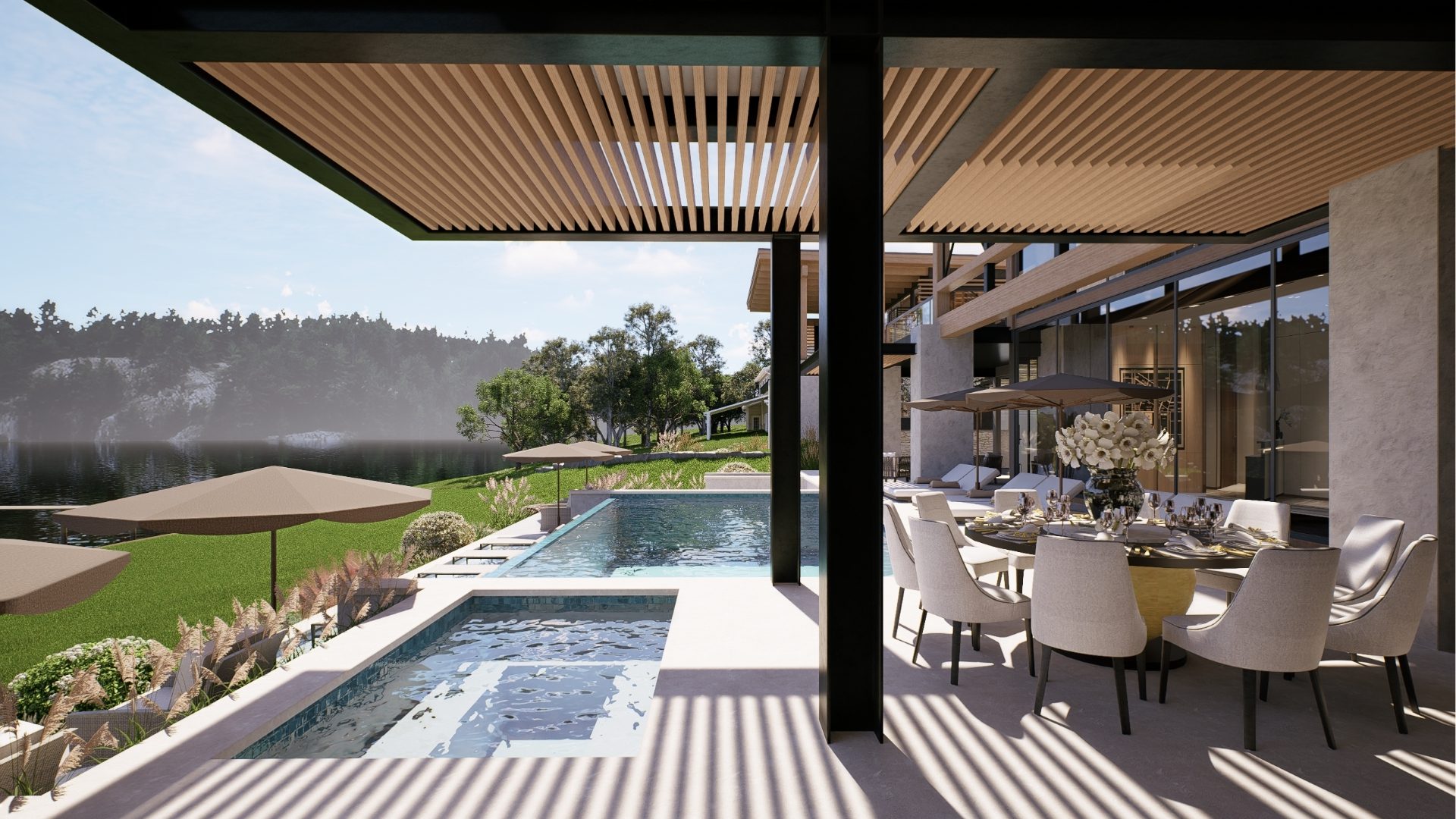

A small backyard does not have to feel limited. With the right layout strategy, material choices, and focal points, compact outdoor spaces can feel larger, more functional, and more valuable.
Contractors who understand how to maximize smaller yards can consistently win projects in urban and suburban markets where outdoor space is limited but expectations remain high.
Below are proven design strategies that help small backyards feel intentional, spacious, and high-end without requiring a large footprint.
1. Create Defined Zones Without Overcrowding
Even small backyards benefit from clearly defined functional areas. The key is keeping transitions subtle and visually connected.
Common zone combinations:
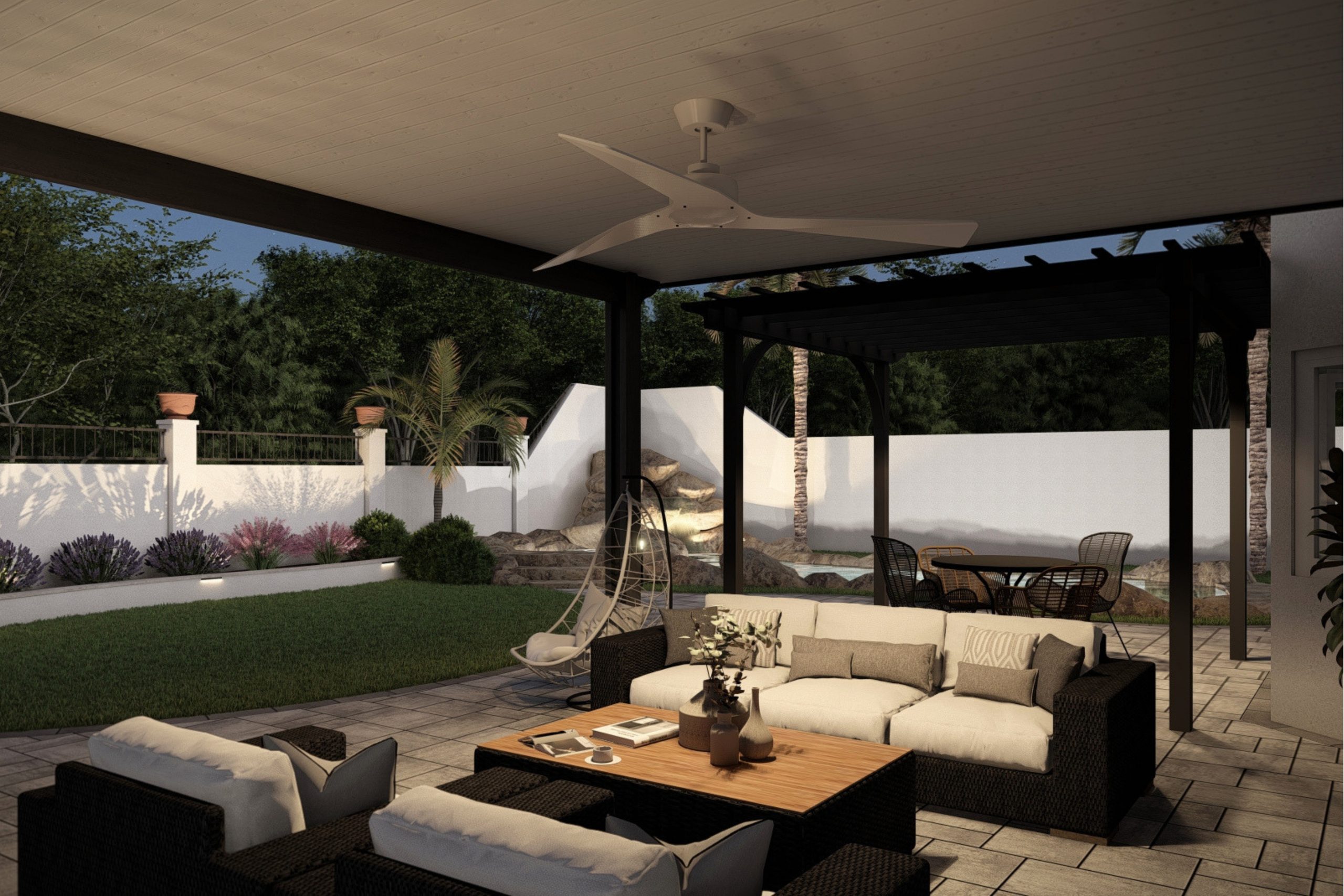
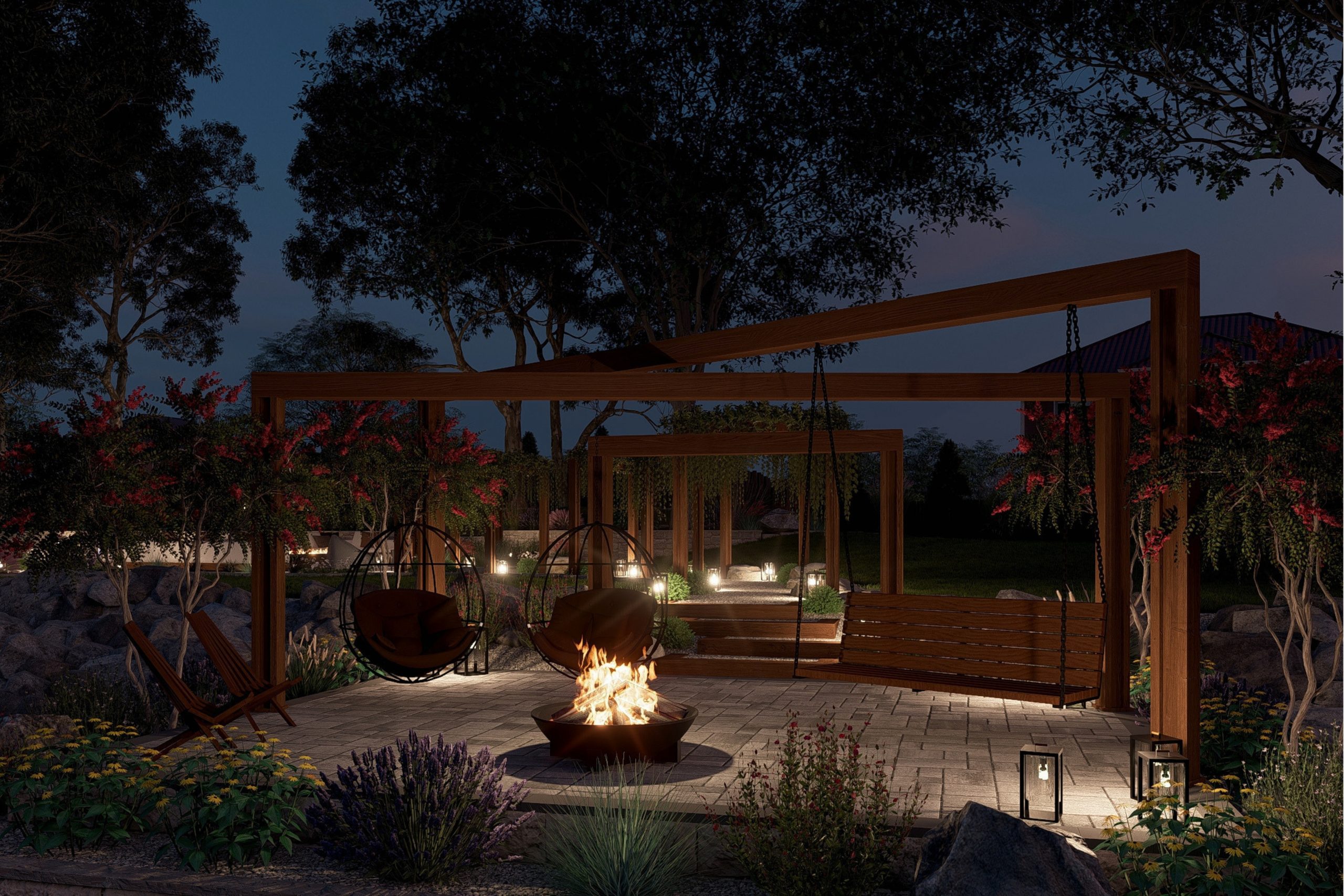
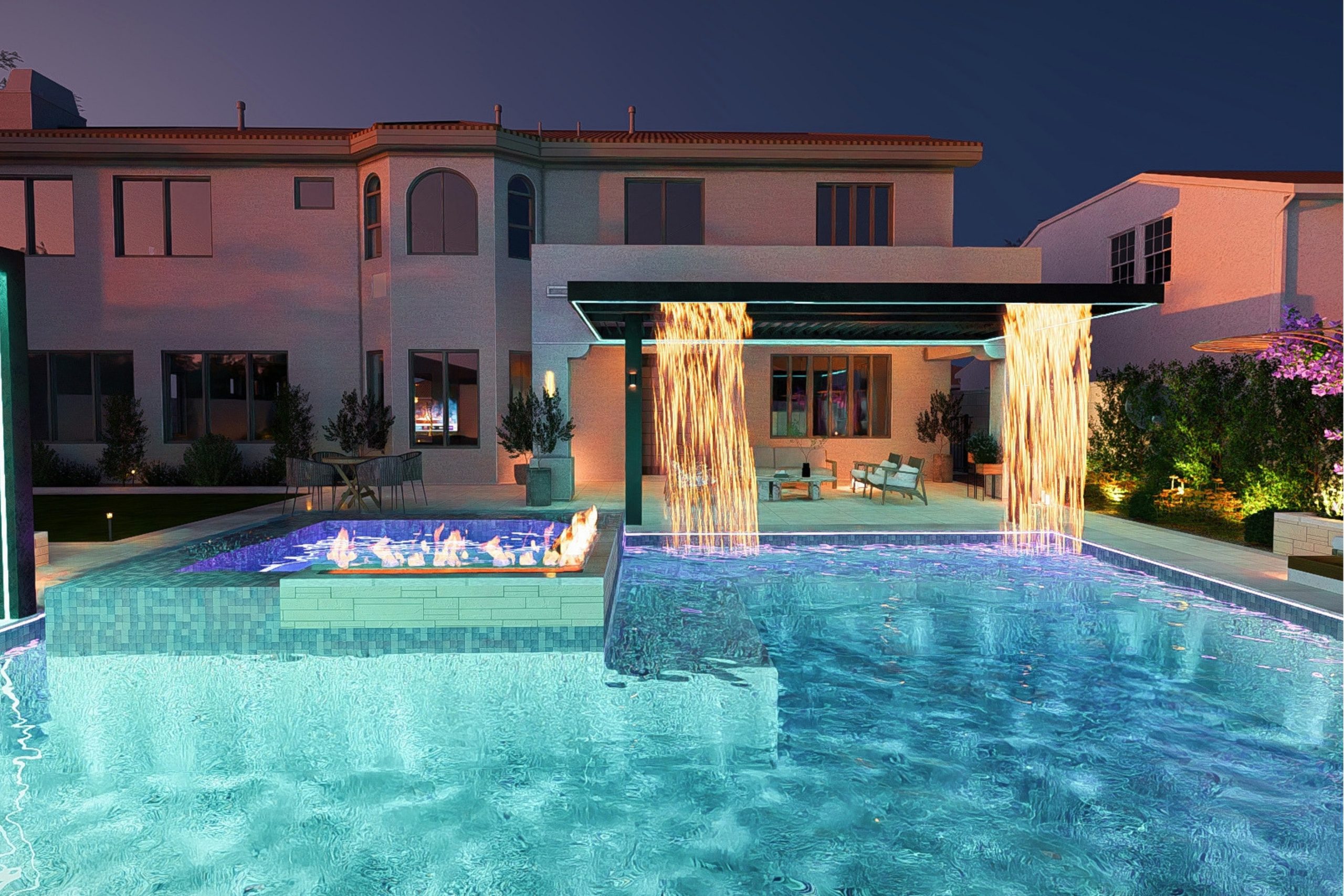
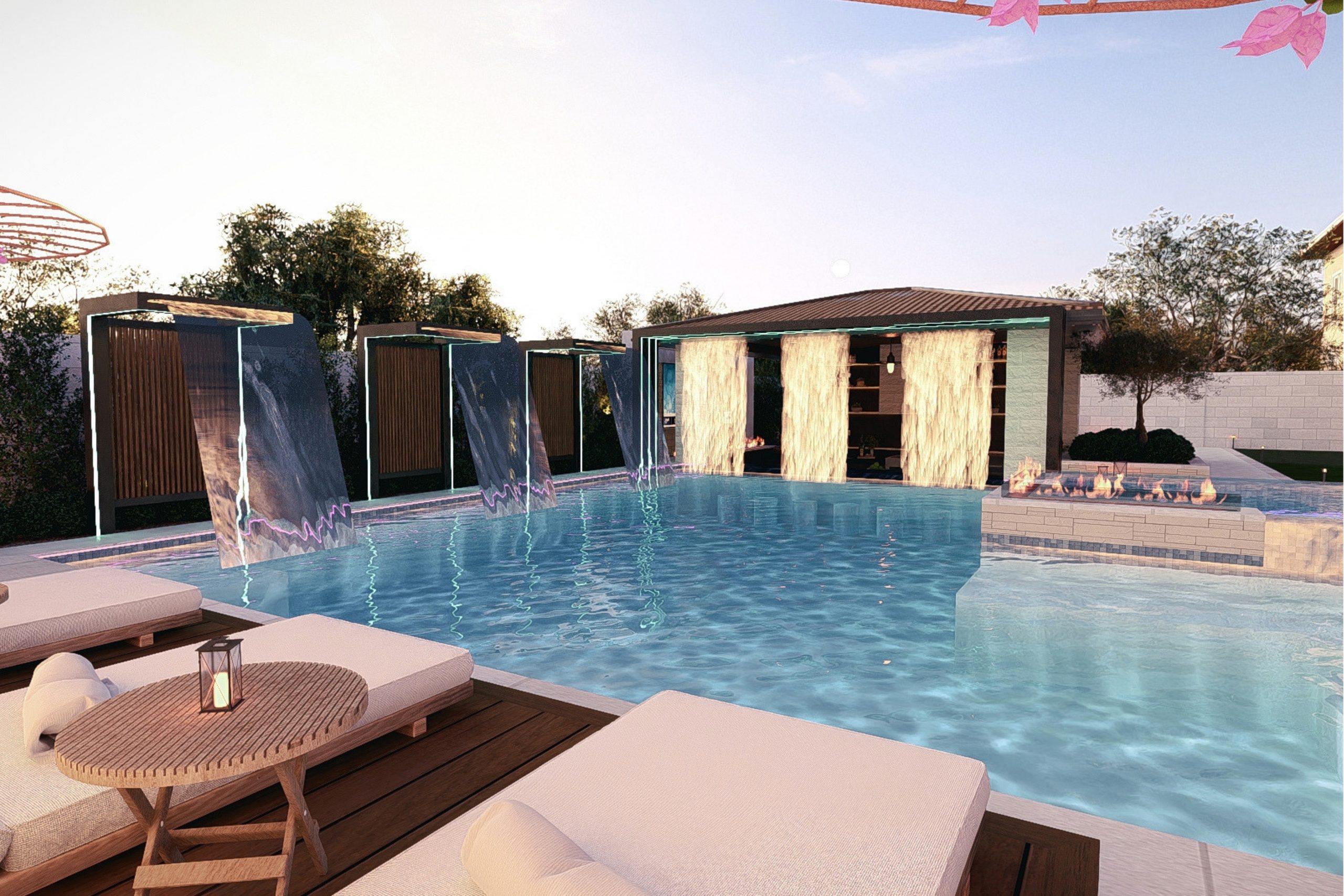
- Compact lounge area
- Small dining space
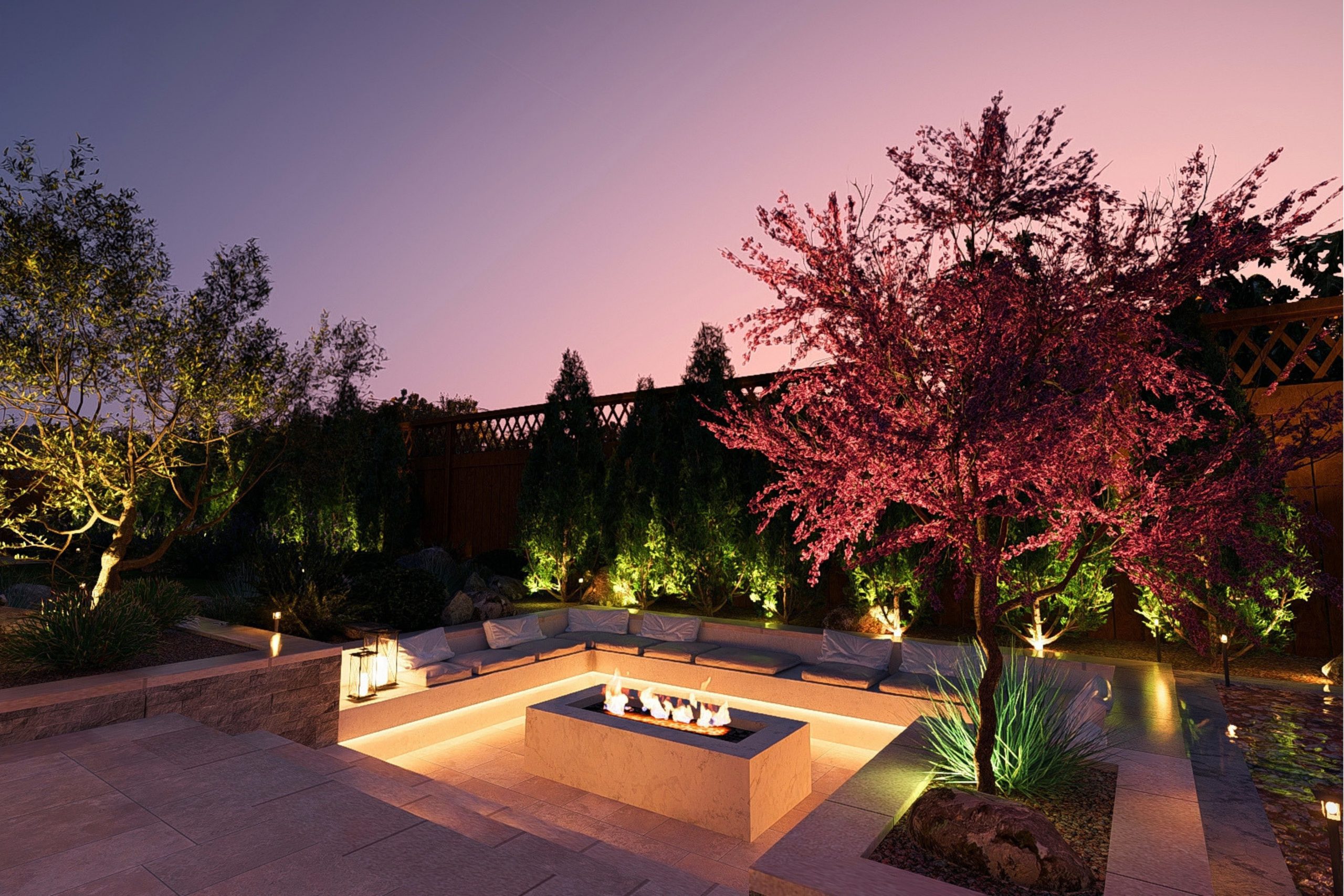
- Fire feature focal point
- Minimal planting borders
- Multi-use open space
Using slight material changes or layout shifts can define areas without visually shrinking the yard.
When each zone has a purpose, the space feels organized rather than cramped.
2. Use Large Format Pavers to Make Spaces Feel Bigger
Smaller pavers create more joint lines, which visually break up the space. Larger format pavers reduce visual clutter and create a more expansive appearance.
Benefits include:
Light or neutral tones can further increase the sense of openness by reflecting more natural light.
- Cleaner aesthetic
- Fewer visual interruptions
- Modern appearance
- Easier flow between areas
3. Design Built-In Seating to Save Space
Freestanding furniture often consumes more usable space than necessary.
Built-in seating:
- Maximizes square footage
- Reduces clutter
- Defines gathering areas
- Provides permanent functionality
Seat walls or integrated benches can create comfortable gathering zones without overwhelming the layout.
4. Use Vertical Elements for Visual Interest
When square footage is limited, vertical design becomes more valuable.
Examples:
- Feature walls
- Trellises or pergolas
- Vertical planting areas
- Privacy screens
- Decorative fencing
Vertical elements draw the eye upward, making the yard feel taller and more dynamic.
They also create opportunities for lighting, texture, and contrast.
5. Keep Material Selections Consistent
Too many material changes can make a small backyard feel busy.
A simplified palette often works best:
- One primary hardscape material
- One accent texture or color
- Consistent planting style
- Coordinated finishes
Consistency creates a calm visual flow and makes the space feel more cohesive.
6. Add Strategic Lighting to Expand Perceived Space
Lighting plays a major role in how large a backyard feels at night.
Well-placed lighting can:
- Highlight focal points
- Create depth
- Improve ambiance
- Extend usable hours
Subtle uplighting on walls, trees, or structures can add dimension without overcrowding the design.
7. Focus on One Strong Focal Point
Trying to include too many features can overwhelm a compact yard.
Strong focal point examples:
- Fire pit or fire table
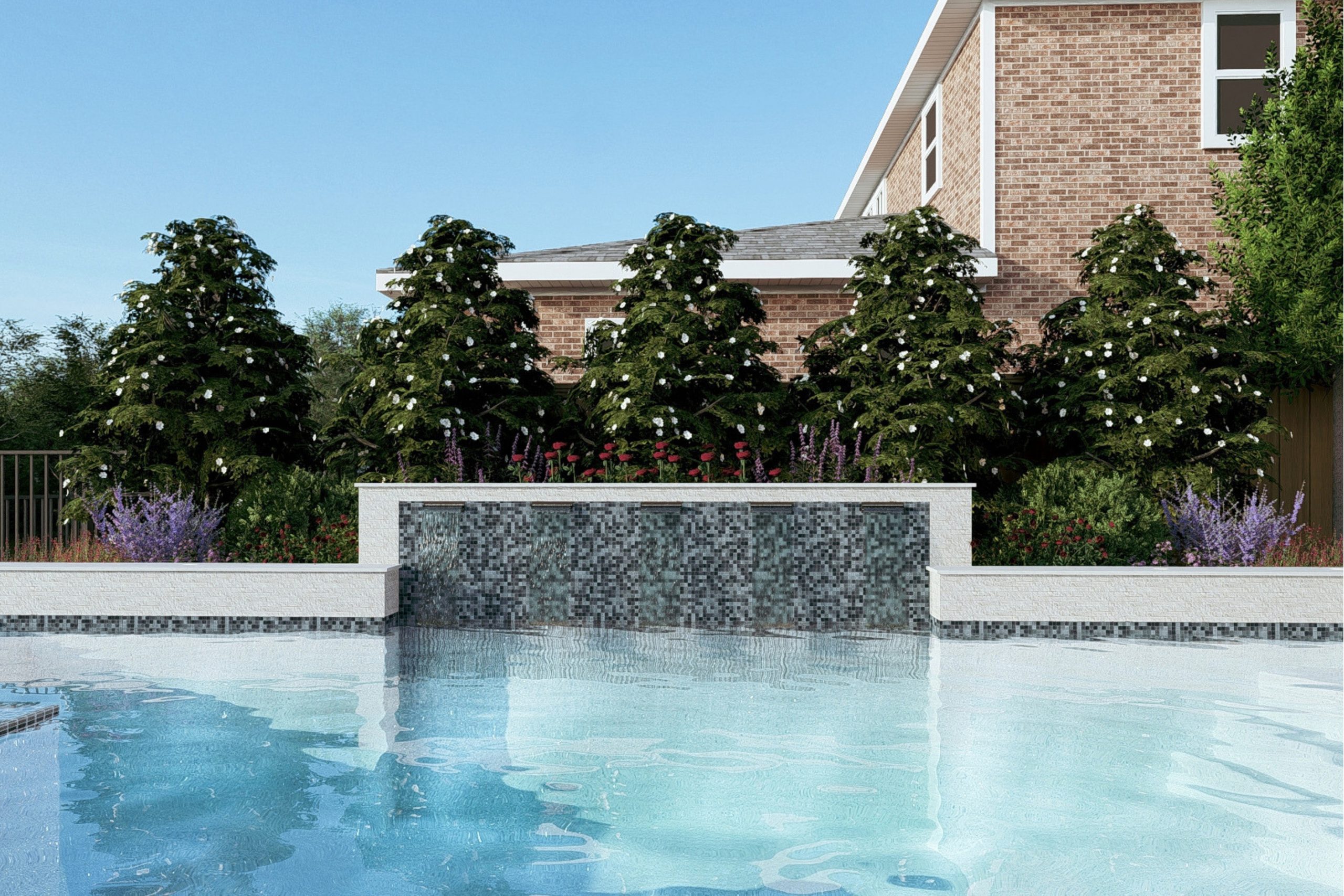
- Water feature
- Outdoor kitchen wall
- Statement planter
- Modern pergola
One clear focal point creates visual structure and makes the design feel intentional rather than crowded.
Why Small Backyard Design Strategy Matters
Smaller projects often require more thoughtful planning than larger ones.
Strategic design helps increase perceived property value, improve functionality of limited space, reduce visual clutter, create premium feel without large square footage, and help clients commit to projects faster
Contractors who present smart small-space layouts position themselves as problem-solvers, not just installers. Even compact backyards can feel like complete outdoor living environments when the layout is carefully considered.