


The outdoor living industry has exploded in recent years. Homeowners are investing tens of thousands and sometimes hundreds of thousands of dollars into pools, outdoor kitchens, fire features, patios, and complete backyard transformations.
Yet many contractors and designers still struggle with one major challenge: pricing design services profitably without competing on price.
If your design services are constantly being compared to cheaper options, the issue usually is not the price. The issue is how the value of the design is positioned.
In this guide, we will walk through how successful outdoor living professionals price their design services to stay profitable while attracting higher quality clients.
Why Competing on Price Is a Losing Strategy
When design services are priced too low, several problems appear quickly:
- Clients undervalue the work
- Revisions increase dramatically
- Projects become harder to manage
- Profit margins disappear
Outdoor design is not just drawings. It is project clarity, visualization, and construction guidance that prevents costly mistakes.
The lowest priced designer almost always becomes the most replaceable. Instead of competing on price, profitable companies position their design services as a critical step in the construction process.
Position Design as a Profit Tool for the Project
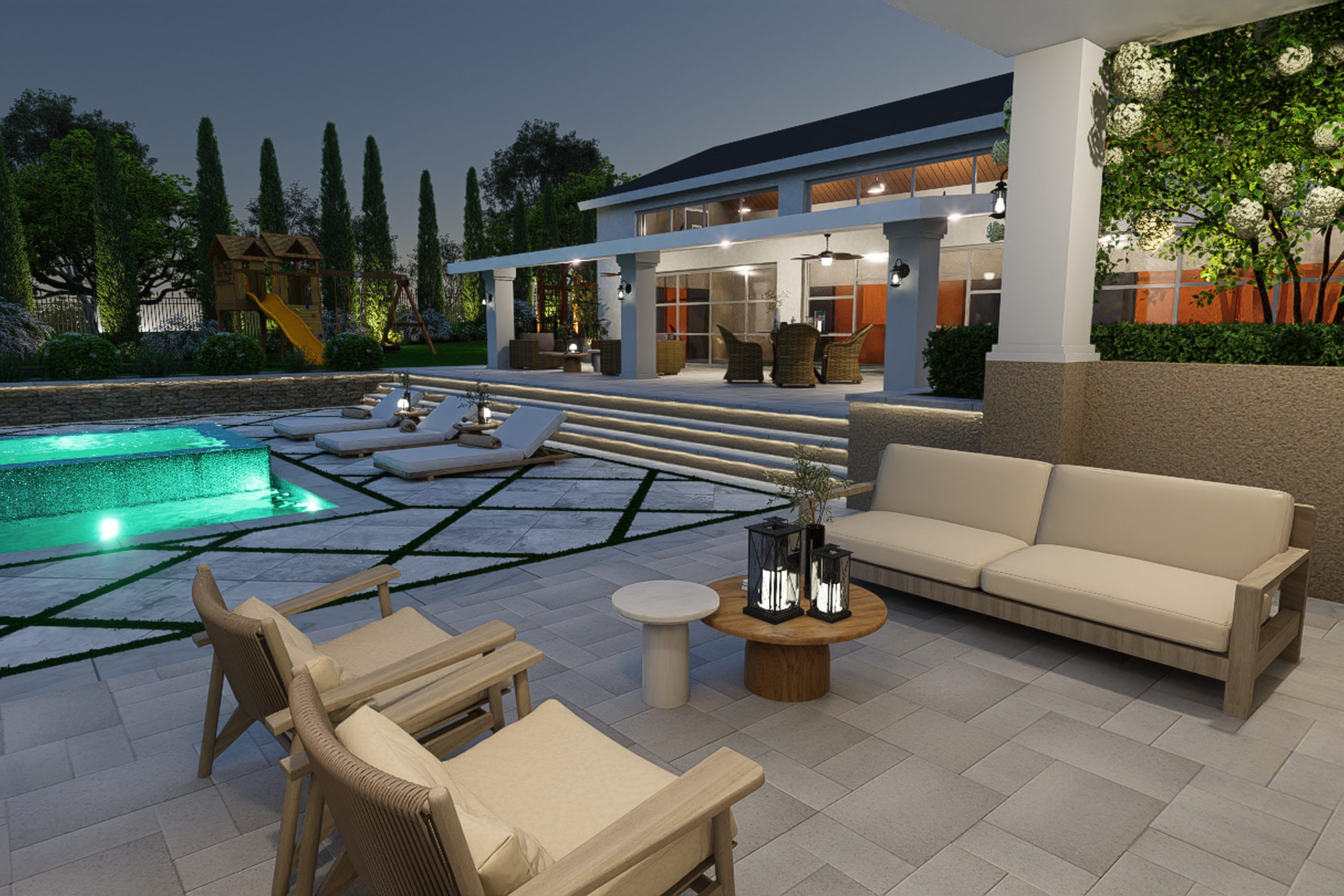
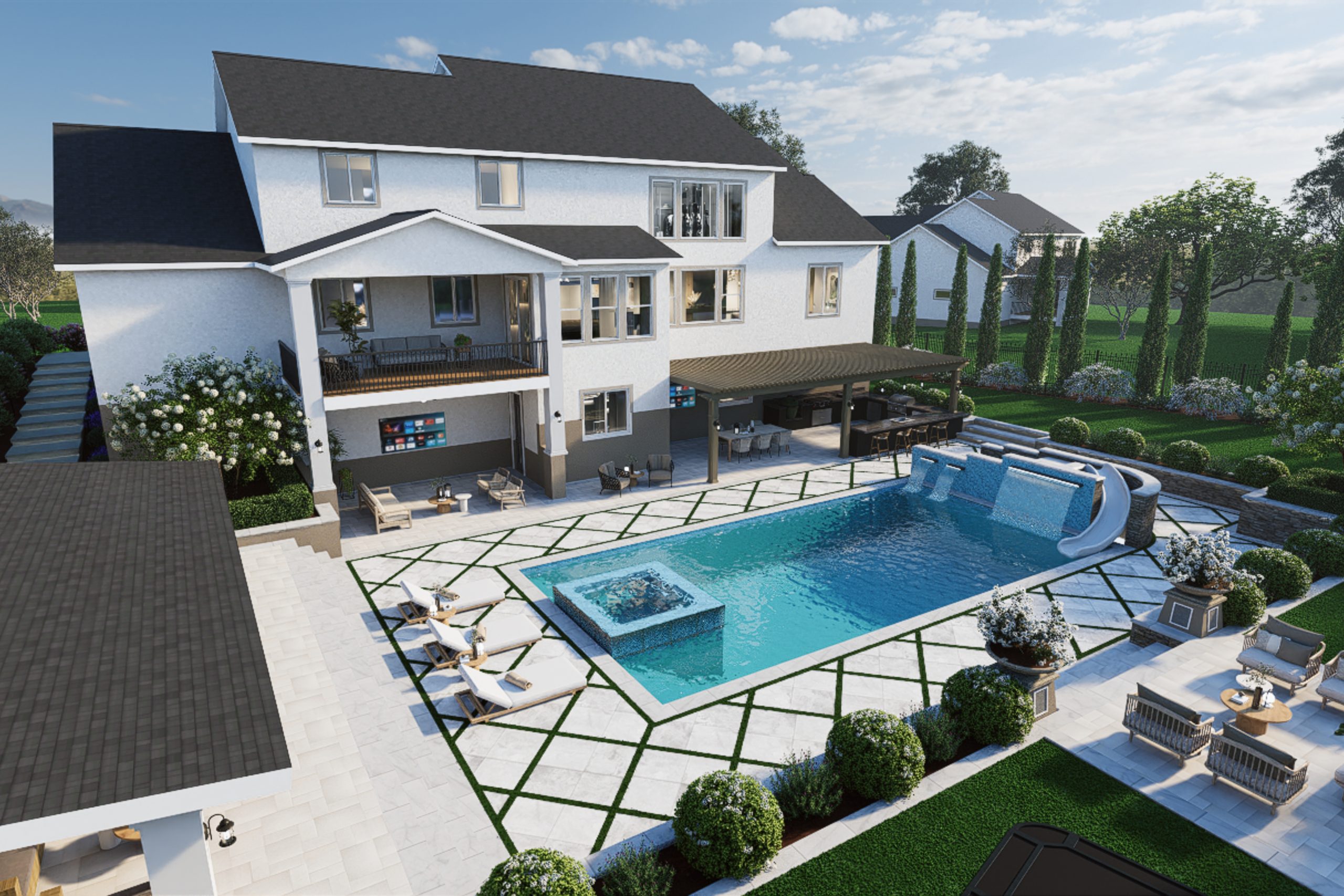
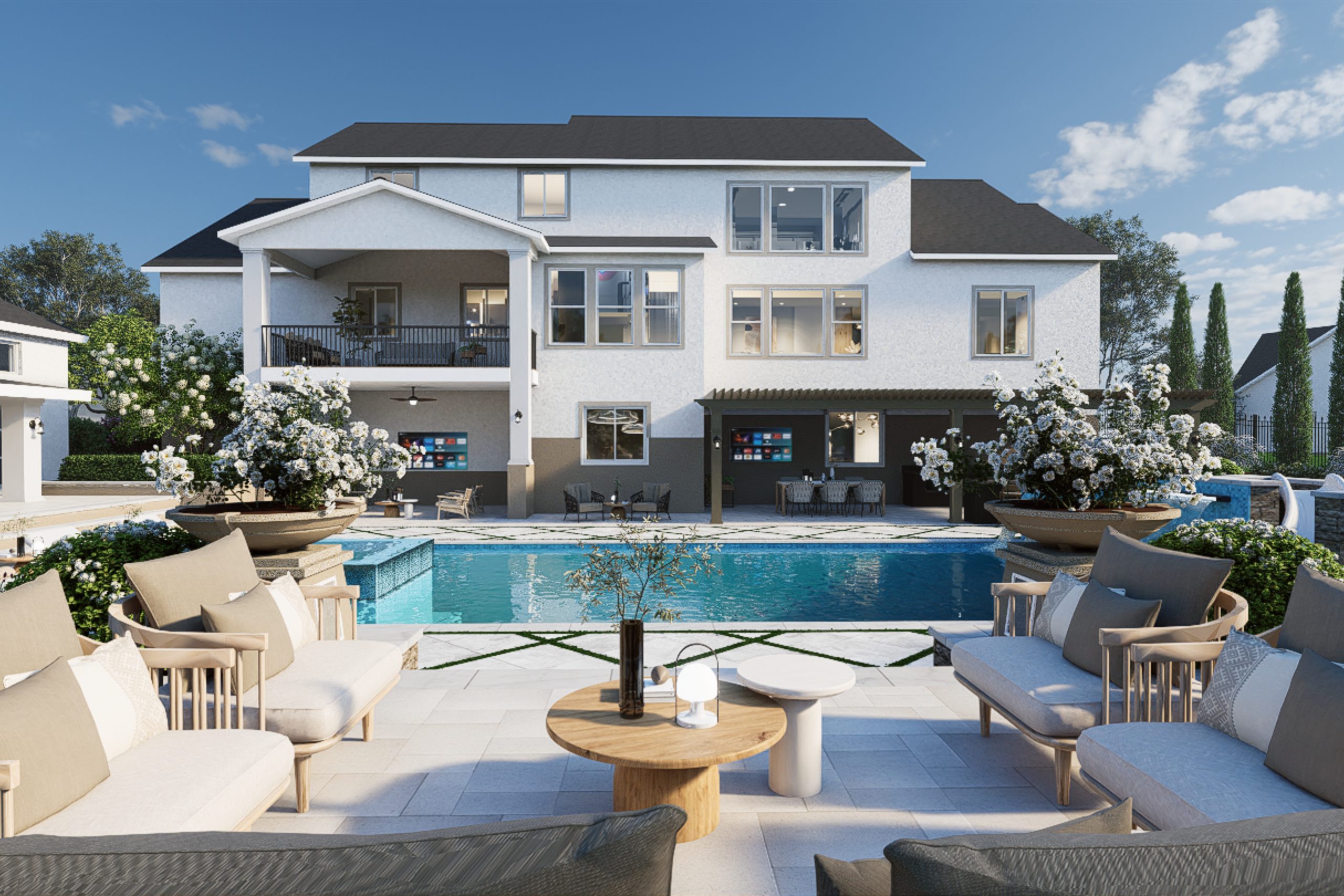
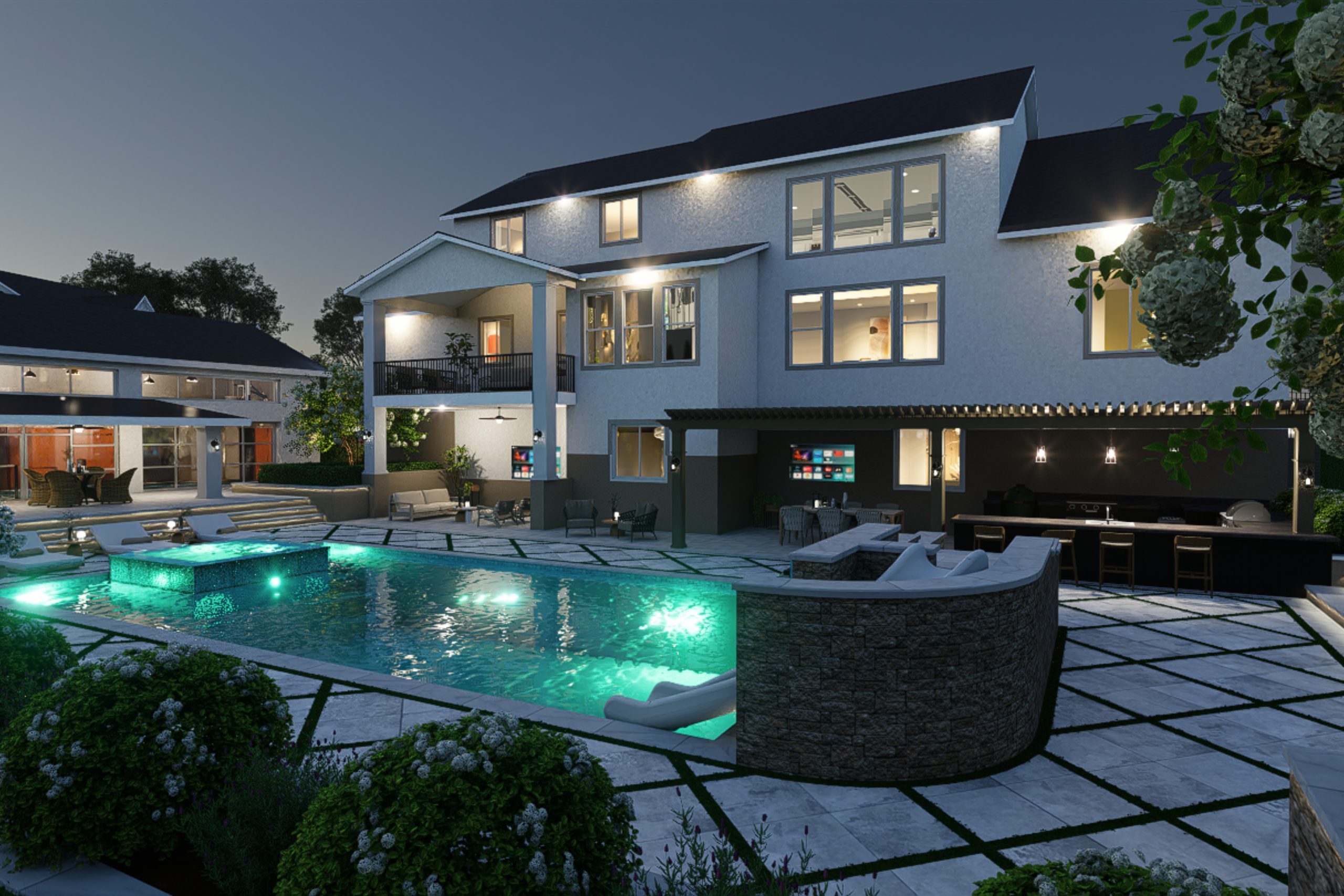
The first step to pricing correctly is reframing what the design actually does. When homeowners can see their future backyard through 3D visuals, they make faster and more confident decisions.
A professional outdoor design accomplishes three things:
- Helps clients visualize the finished project
- Improves sales conversion for contractors
- Reduces construction mistakes and change orders
For contractors, this often means:
- Higher closing rates
- Larger project sizes
- Fewer surprises during construction
Instead of presenting design as an optional service, position it as the blueprint for a successful project.
Understand the True Cost of Design Work
Many designers underprice their services because they only consider the time spent drawing. In reality, outdoor design includes much more:
- Client consultations
- Site analysis
- Material planning
- Planting concepts
- Rendering and visualization
- Revisions and adjustments
- Construction documentation
When all of these steps are included, design work often represents dozens of hours of professional expertise. If pricing only reflects drafting time, the business will struggle to stay profitable.
Common Outdoor Design Pricing Models
There are several pricing models used successfully in the outdoor living industry.
Flat Fee Design Packages
This is the most common model. Typical packages include:
- Concept design
- 3D visualizations
- Construction plans
- Limited revisions
Flat fees work well because clients understand the investment upfront. Typical ranges vary based on project size, but many professional design packages fall between:
- $1,500 to $5,000+ for residential outdoor design
Luxury projects can exceed this range.
Design Retainer Model
Some contractors charge a design retainer before beginning the design phase. This model ensures:
- Serious clients move forward
- Designers are compensated for their time
- Projects start with committed homeowners
The retainer is often credited toward the final construction project.
Design Built Into Construction Pricing
Another strategy is to incorporate design costs into the total project estimate. In this model:
- Design may appear free to the client
- The cost is embedded into the build
This approach works well for design-build companies but requires strong margins on construction.
How to Increase the Perceived Value of Your Designs
The most profitable design firms focus heavily on presentation and experience. Here are several ways to elevate perceived value.
3D Visualization
High quality 3D renders allow homeowners to see their future space before construction begins. This reduces uncertainty and increases project excitement.
Interactive Walkthroughs
Virtual walkthroughs or animations help clients understand scale, layout, and flow. This often leads to larger project scopes.
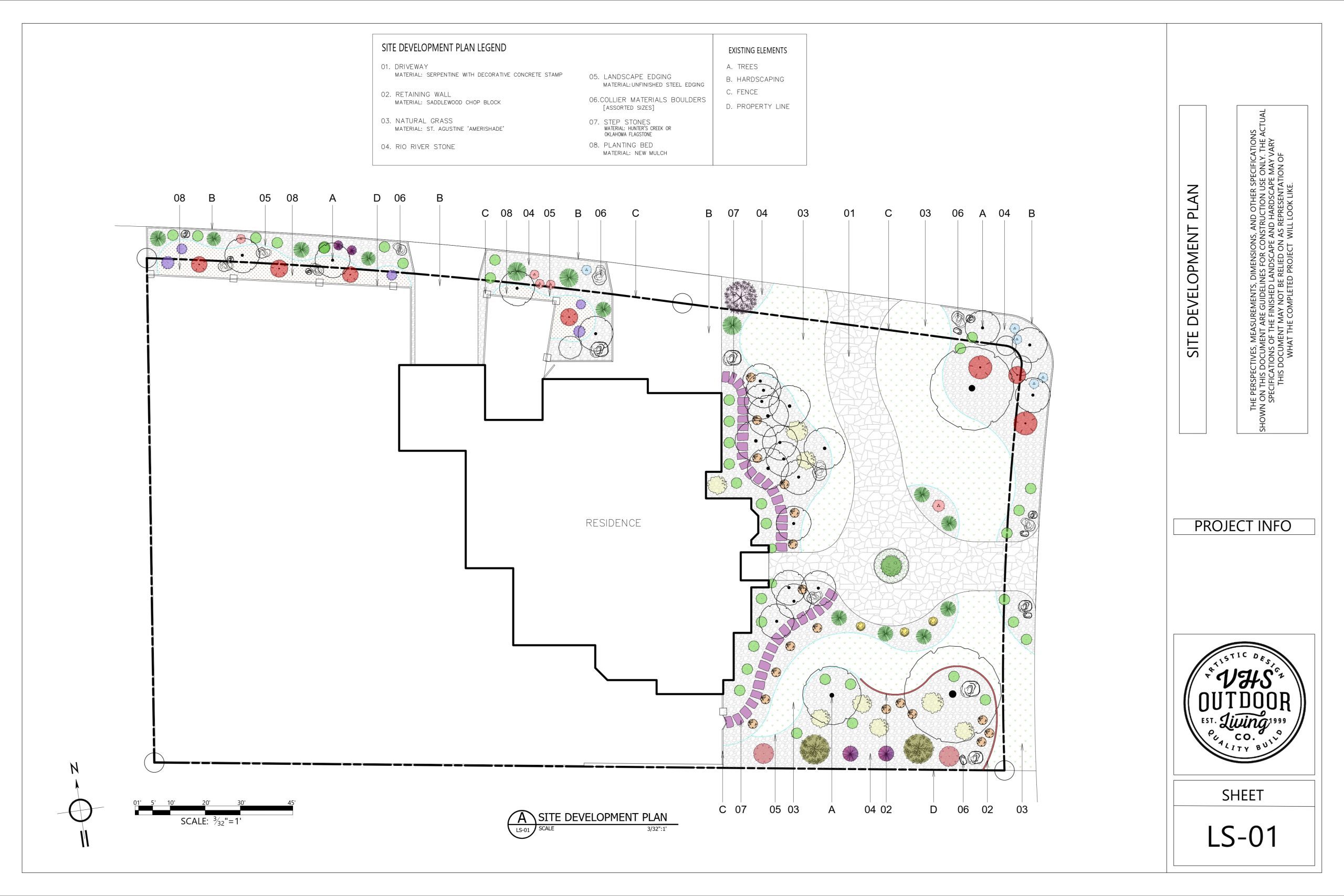
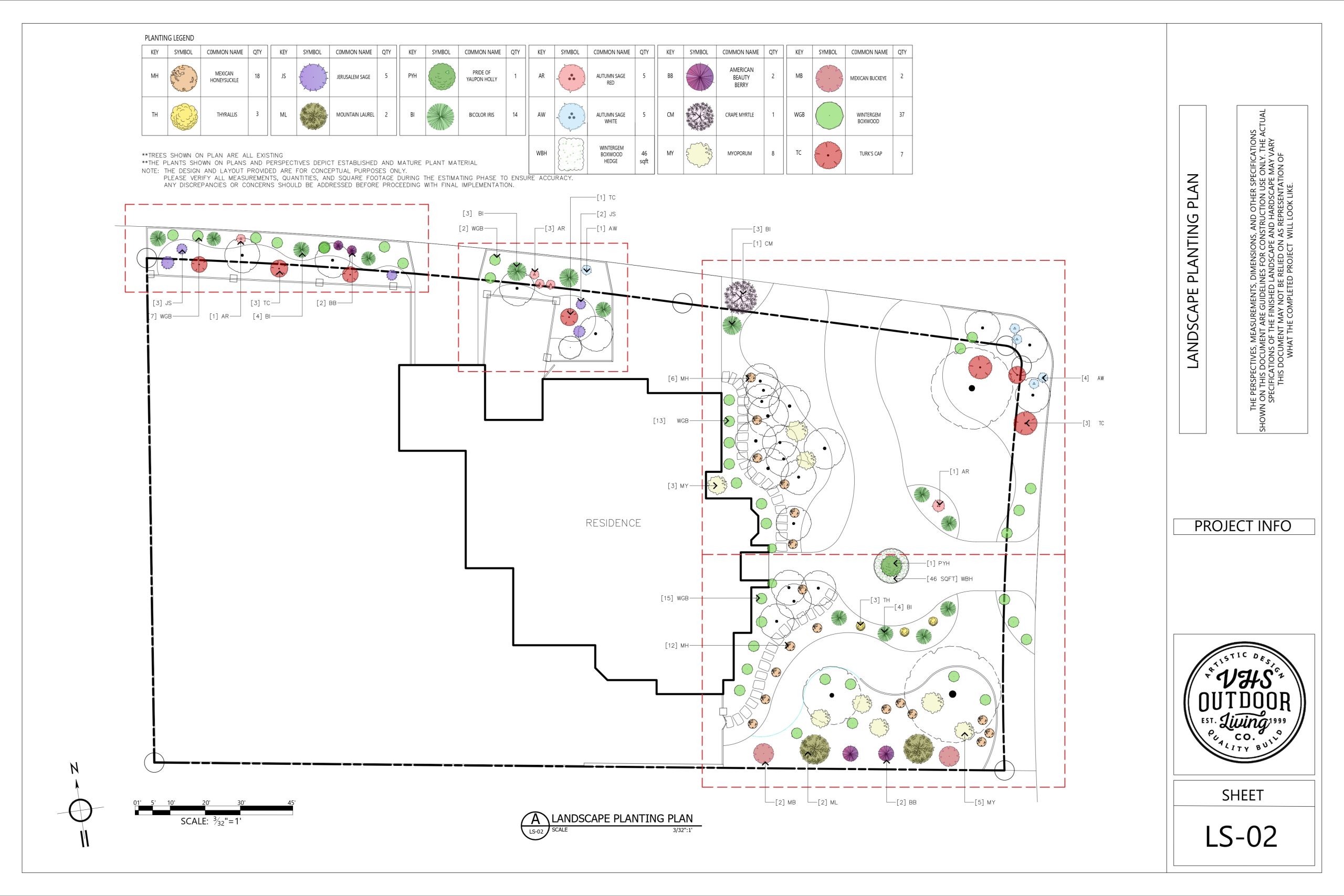
Clear Construction Plans
Detailed plans ensure contractors can build efficiently and accurately. This minimizes costly changes during installation.
Structured Design Process
A professional process increases trust and supports premium pricing.
Clients feel more confident when they understand the design steps:
1. Consultation
2. Concept design
3. Visual presentation
4. Revisions
5. Construction plans
Stop Selling Drawings and Start Selling Outcomes
One of the biggest pricing mistakes is presenting design services as simple drawings. Instead, focus on the outcomes the design delivers.
Professional outdoor designs help homeowners:
- Make confident decisions
- Avoid expensive mistakes
- Maximize their property value
- Create a backyard that fits their lifestyle
For contractors, the benefits are equally powerful:
- Faster project approvals
- Higher close rates
- Larger project budgets
When design is framed as a tool that improves the entire project, price resistance decreases dramatically.
Set Boundaries With Revisions
Unlimited revisions can quickly destroy profit margins. Successful design firms set clear expectations:
- Include a fixed number of revisions
- Additional changes are billed separately
- Major scope changes require a new design phase
This protects your time while maintaining professional boundaries.
Attract the Right Clients Instead of Every Client
Premium design services naturally attract a different type of client. These clients care about:
- Quality
- Professional guidance
- Long term value
They are less focused on finding the cheapest option.
By positioning your design services properly, you shift from price competition to value differentiation.
Final Thoughts
Outdoor design is one of the most valuable steps in any backyard project.
When priced correctly, it benefits everyone involved. Homeowners gain clarity and confidence. Contractors build projects more efficiently. Designers earn the profit they deserve for their expertise.
Instead of competing on price, focus on communicating the real value that great design brings to every outdoor project.