

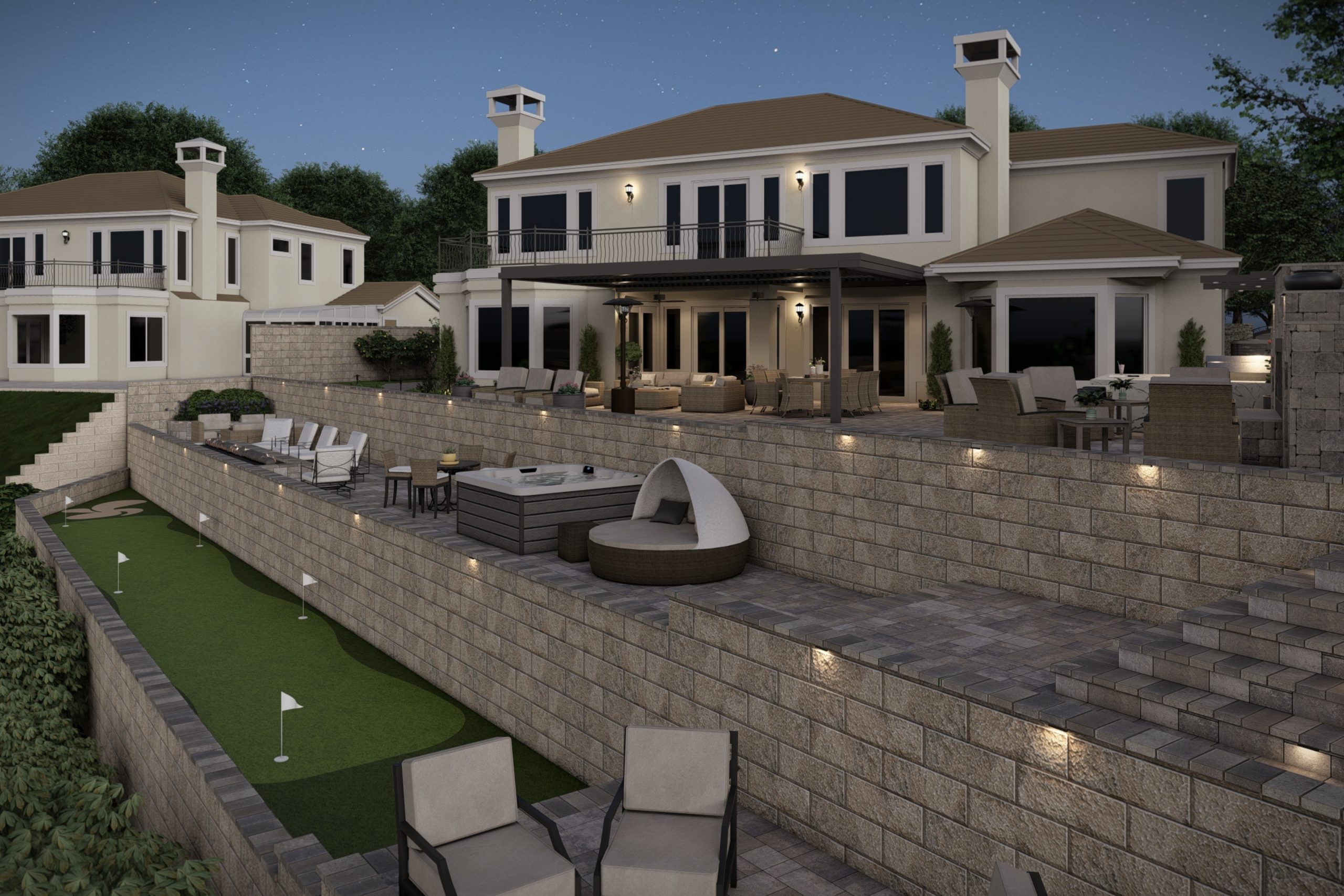

Outdoor spaces do not truly come alive until the sun goes down.
The right lighting design does more than illuminate a yard. It creates mood, improves safety, highlights craftsmanship, and dramatically increases perceived project value. For contractors and designers, strategic outdoor lighting is one of the most powerful upgrades you can offer clients.
In this guide, we will break down proven lighting design strategies that transform outdoor spaces and help elevate both your projects and your sales process.
Why Outdoor Lighting Design Matters
Well designed outdoor lighting:
- Enhances safety and security
- Extends usable living hours
- Highlights architectural and landscape features
- Increases property value
- Improves project presentation in 3D renders and proposals
When lighting is treated as a system, not an afterthought, it becomes a core part of the design strategy.
1. Layer Your Lighting for Depth and Dimension
The biggest mistake in outdoor lighting is relying on one type of fixture. Professional lighting design uses three main layers:
Ambient Lighting
Provides general illumination across patios, decks, and pathways.
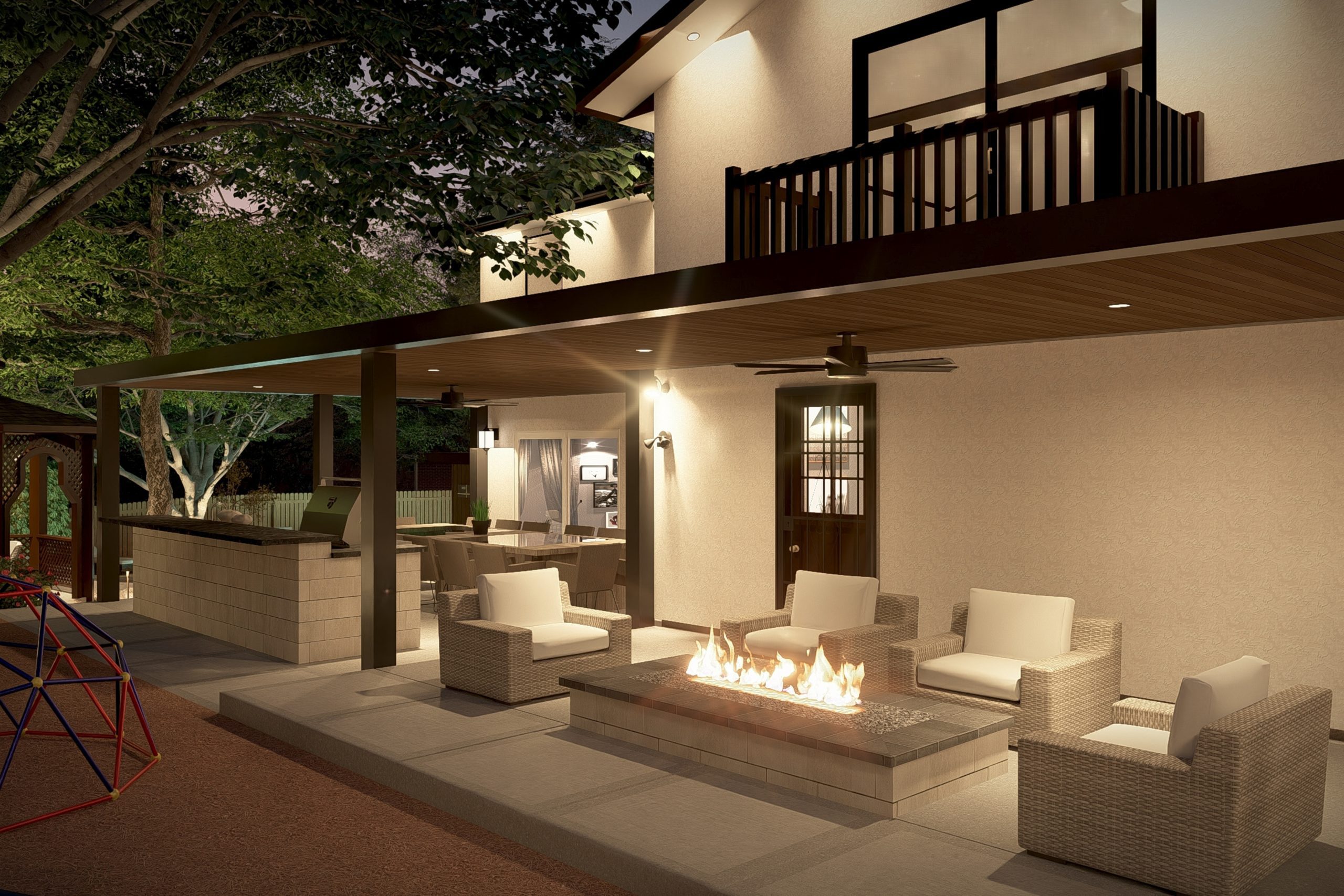

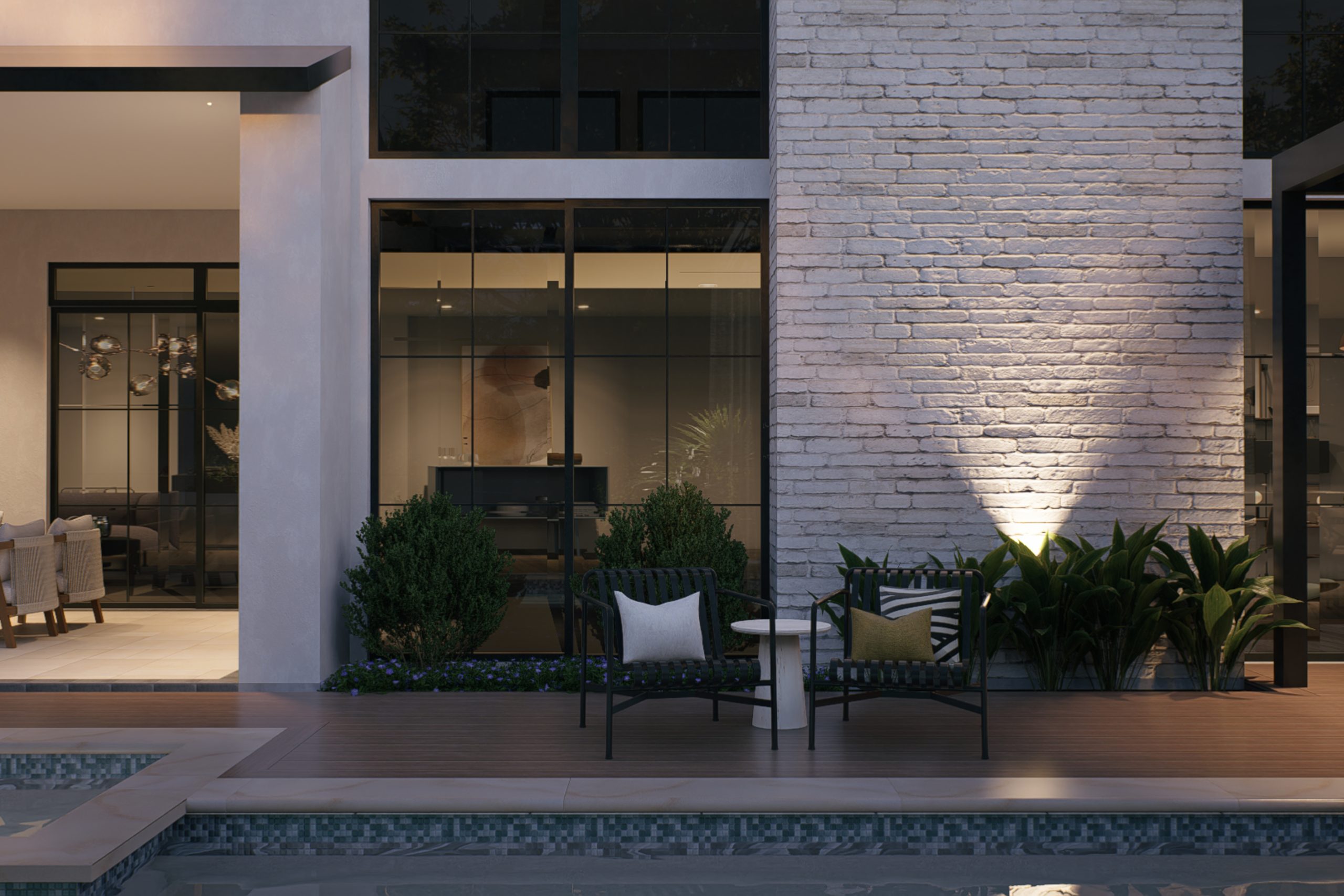
Examples:
- Recessed patio ceiling lights
- Pergola string lights
- Wall mounted sconces
Task Lighting
Focused light for specific functional areas.

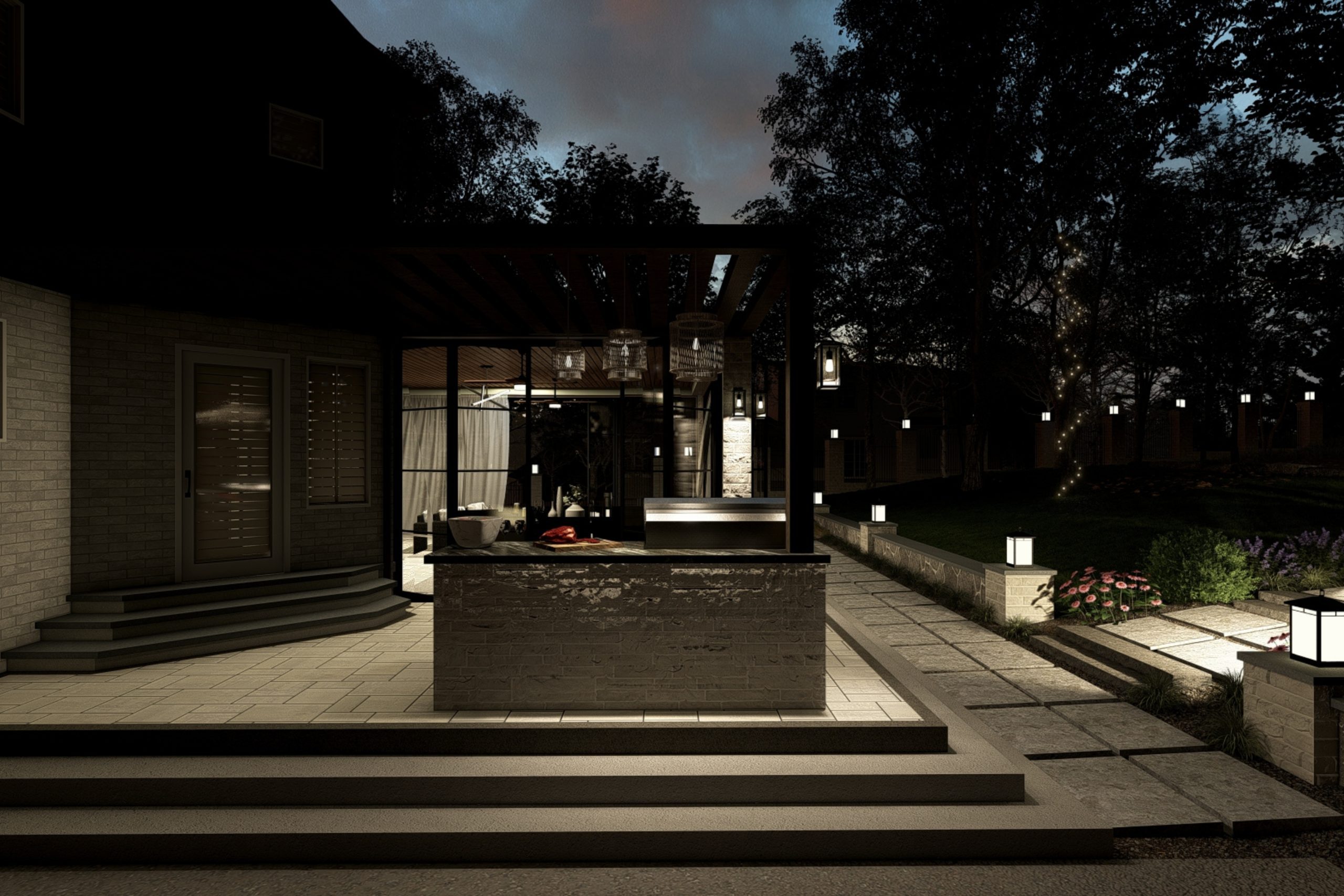

Examples:
- Outdoor kitchen prep lighting
- Grill station lights
- Stair tread lights
Accent Lighting
Highlights features and creates drama.
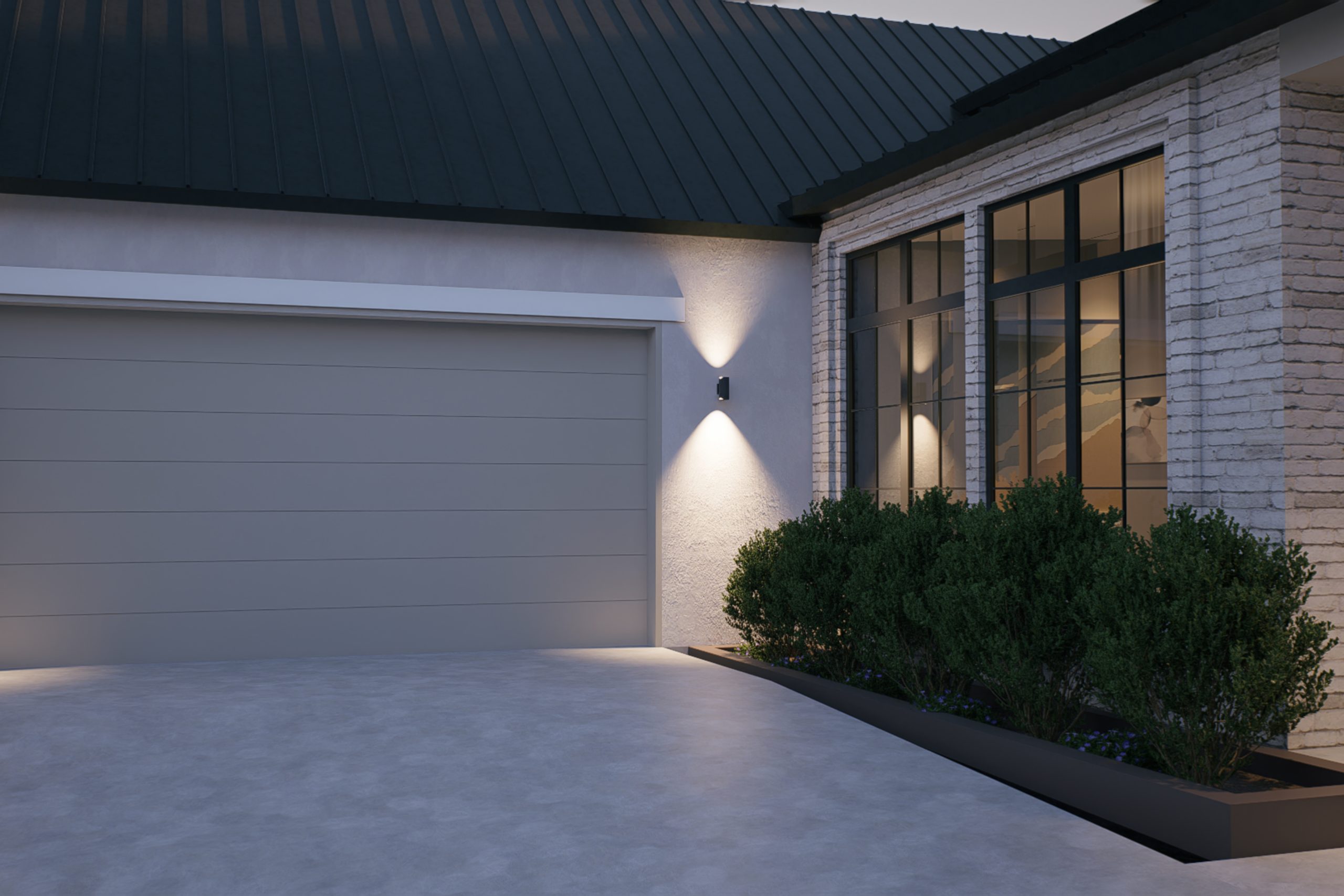
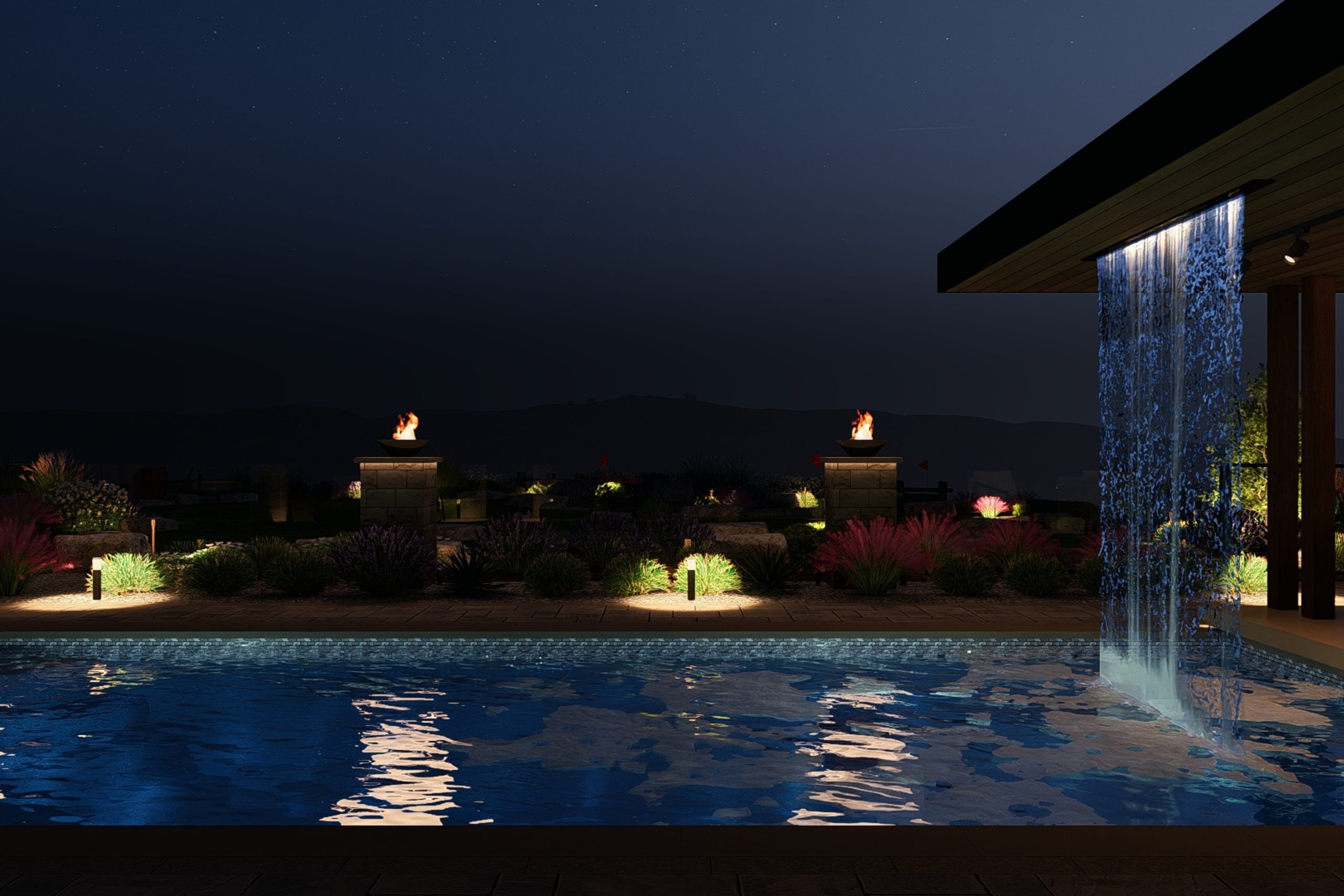
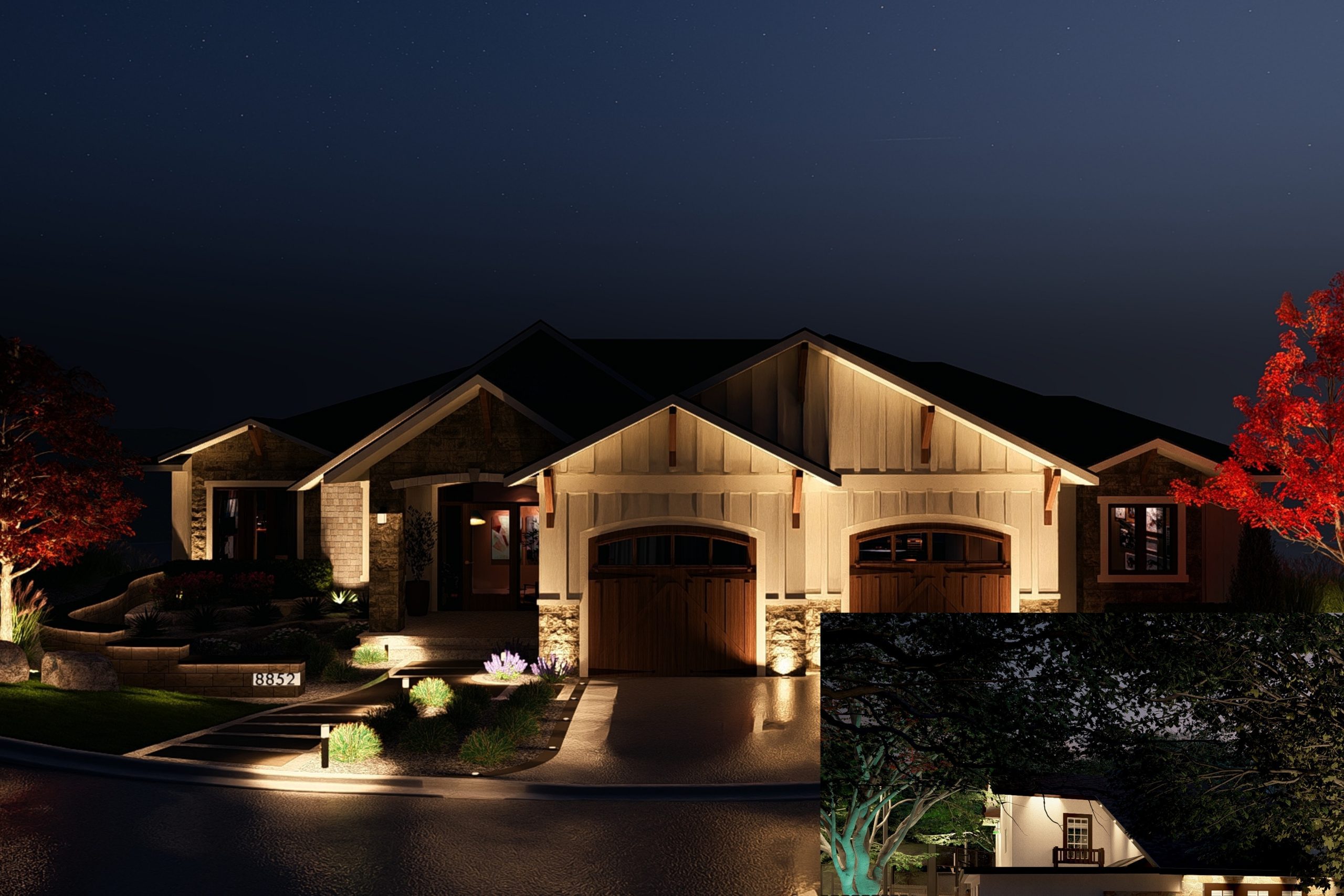
Examples:
- Tree uplighting
- Water feature illumination
- Stone wall grazing lights
When these three layers work together, the result feels intentional and high end.
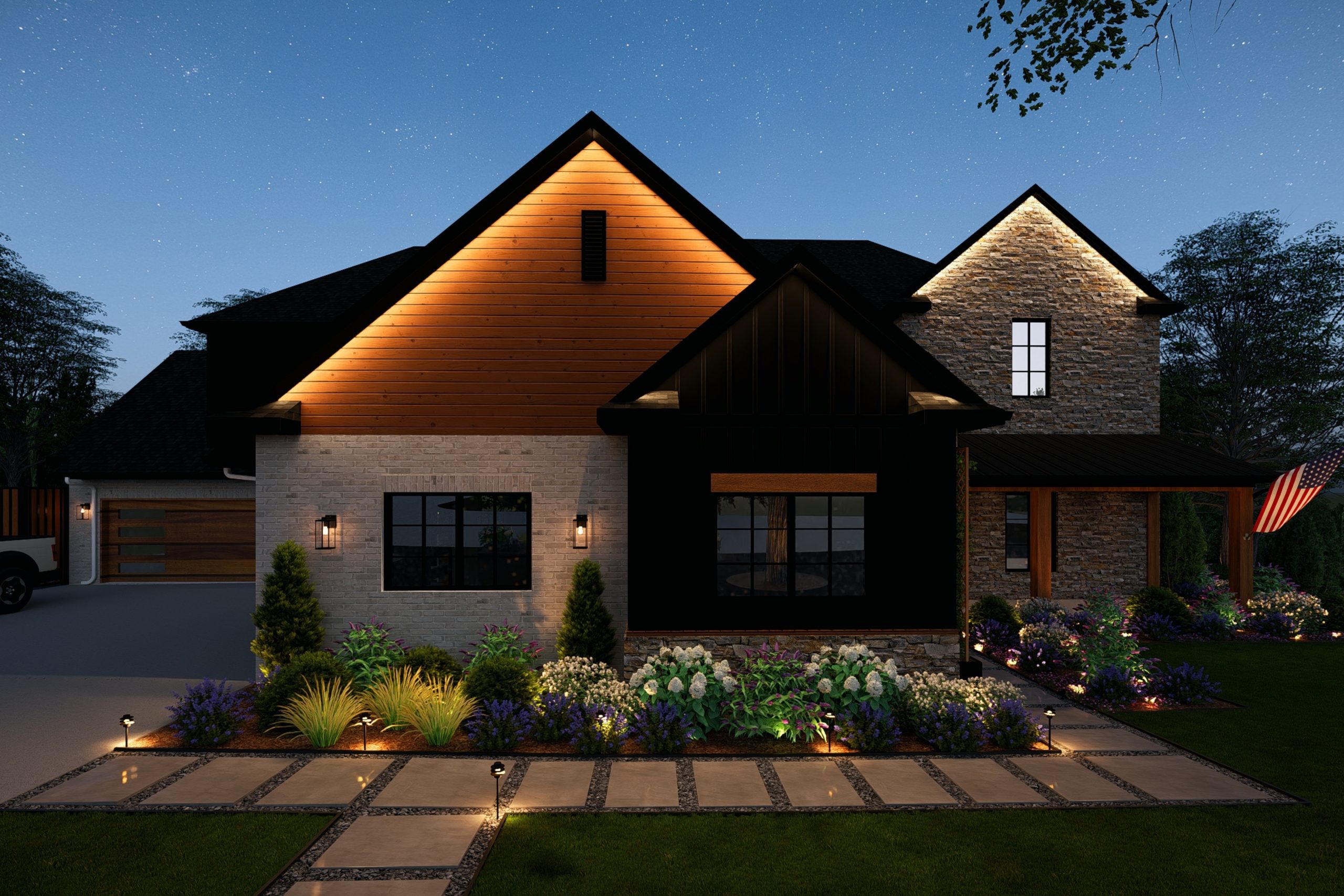
2. Use Uplighting to Create Vertical Interest
Many outdoor spaces feel flat at night because all the light is at ground level. Uplighting draws the eye upward and gives the space structure.
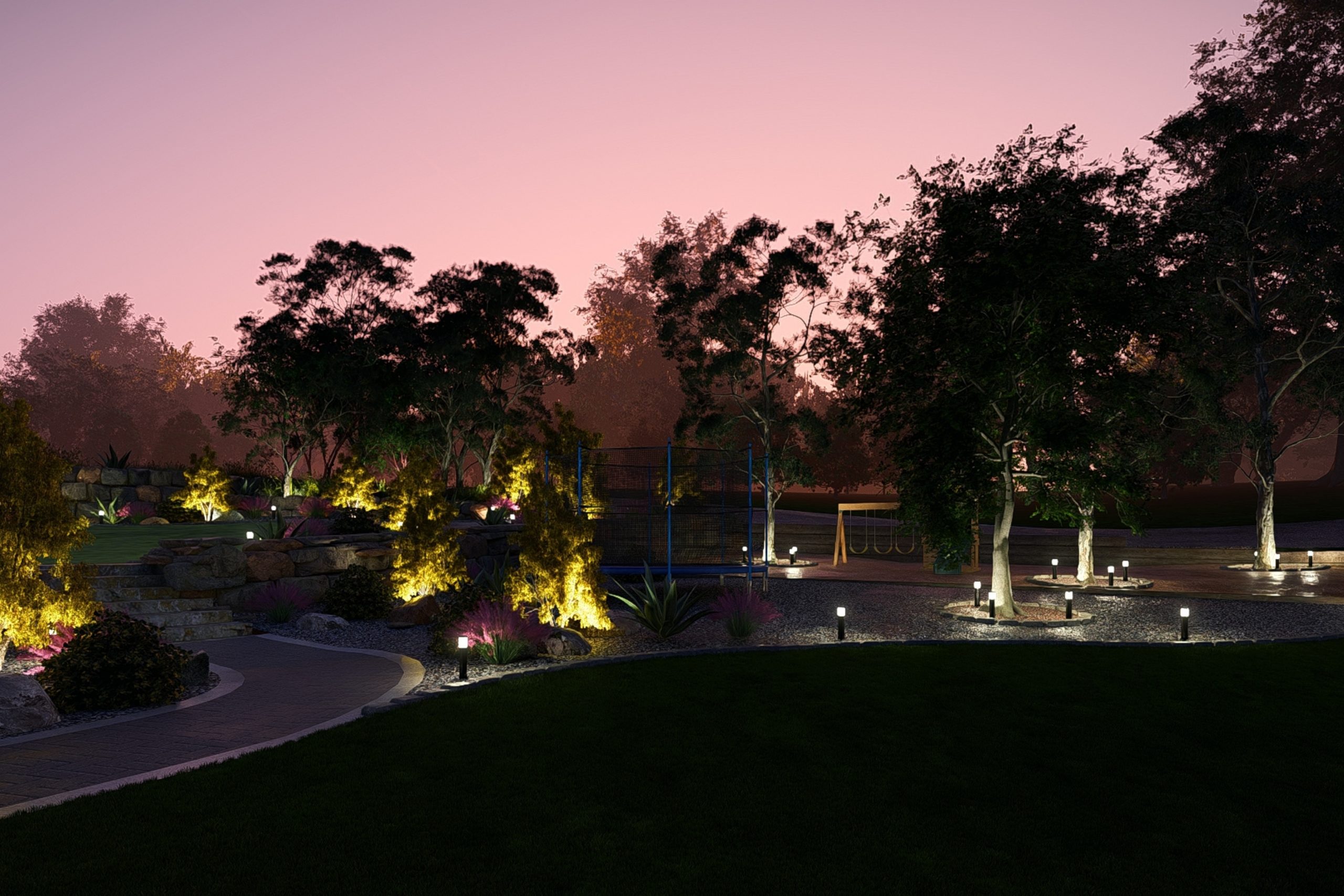

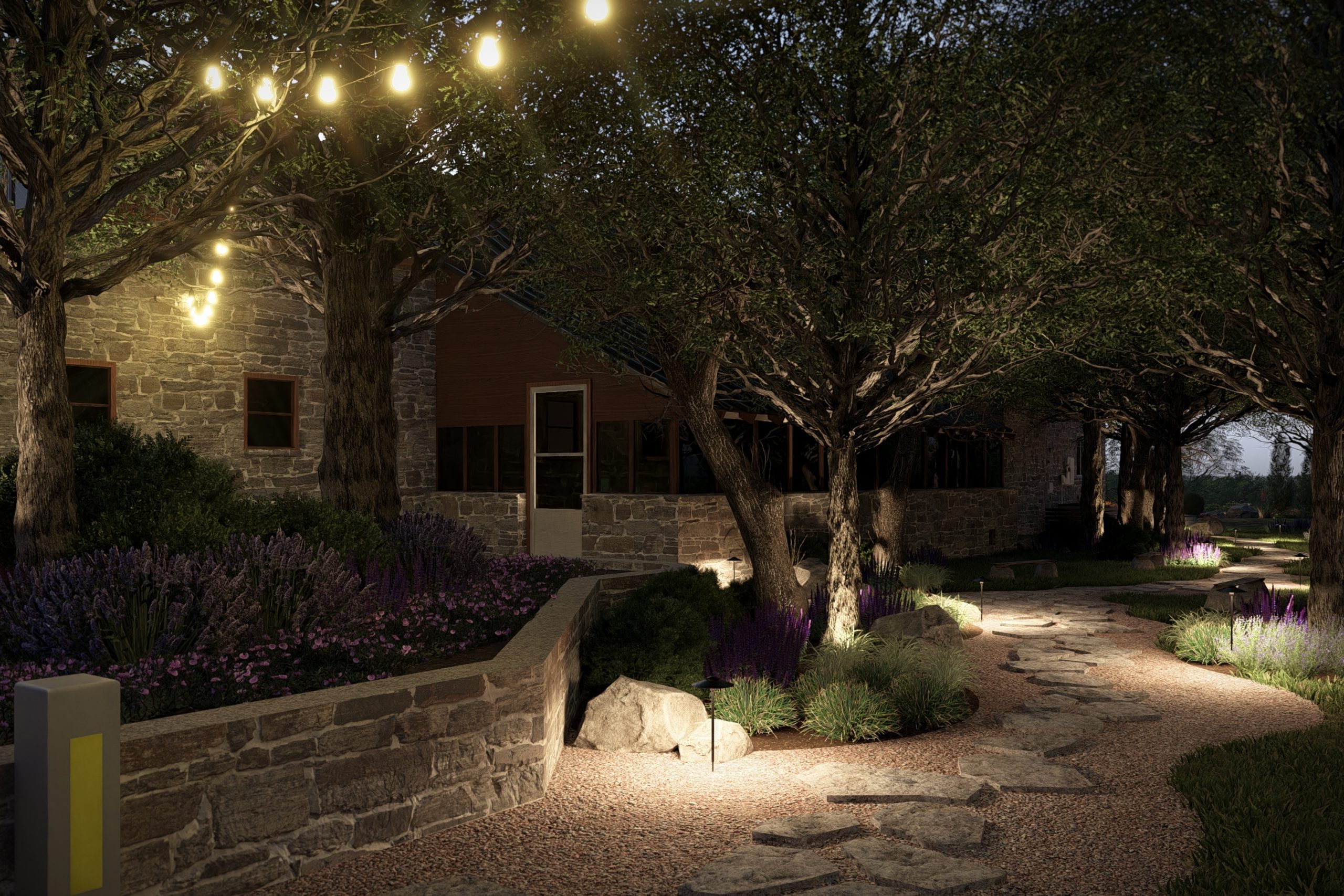
Best applications:
- Mature trees
- Architectural columns
- Facades
- Retaining walls
Strategic uplighting can make even a modest backyard feel like a luxury resort.
3. Highlight Pathways for Safety and Flow
Path lighting is not just functional. It guides movement and defines circulation.
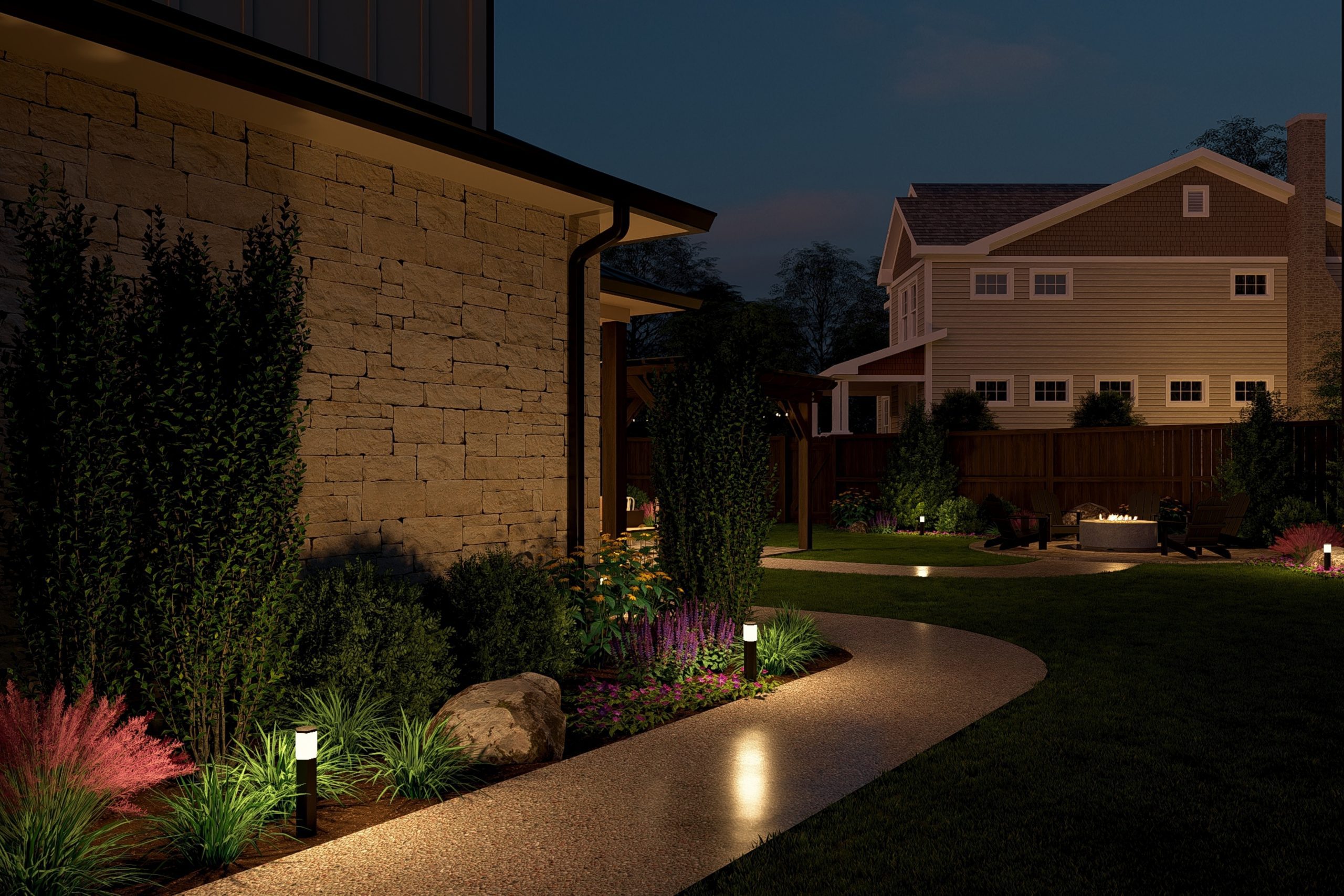

Key strategies:
- Stagger lights instead of lining them symmetrically
- Keep fixtures low profile to reduce glare
- Use warm color temperatures for a welcoming feel
Well placed pathway lighting enhances safety while elevating the design aesthetic.
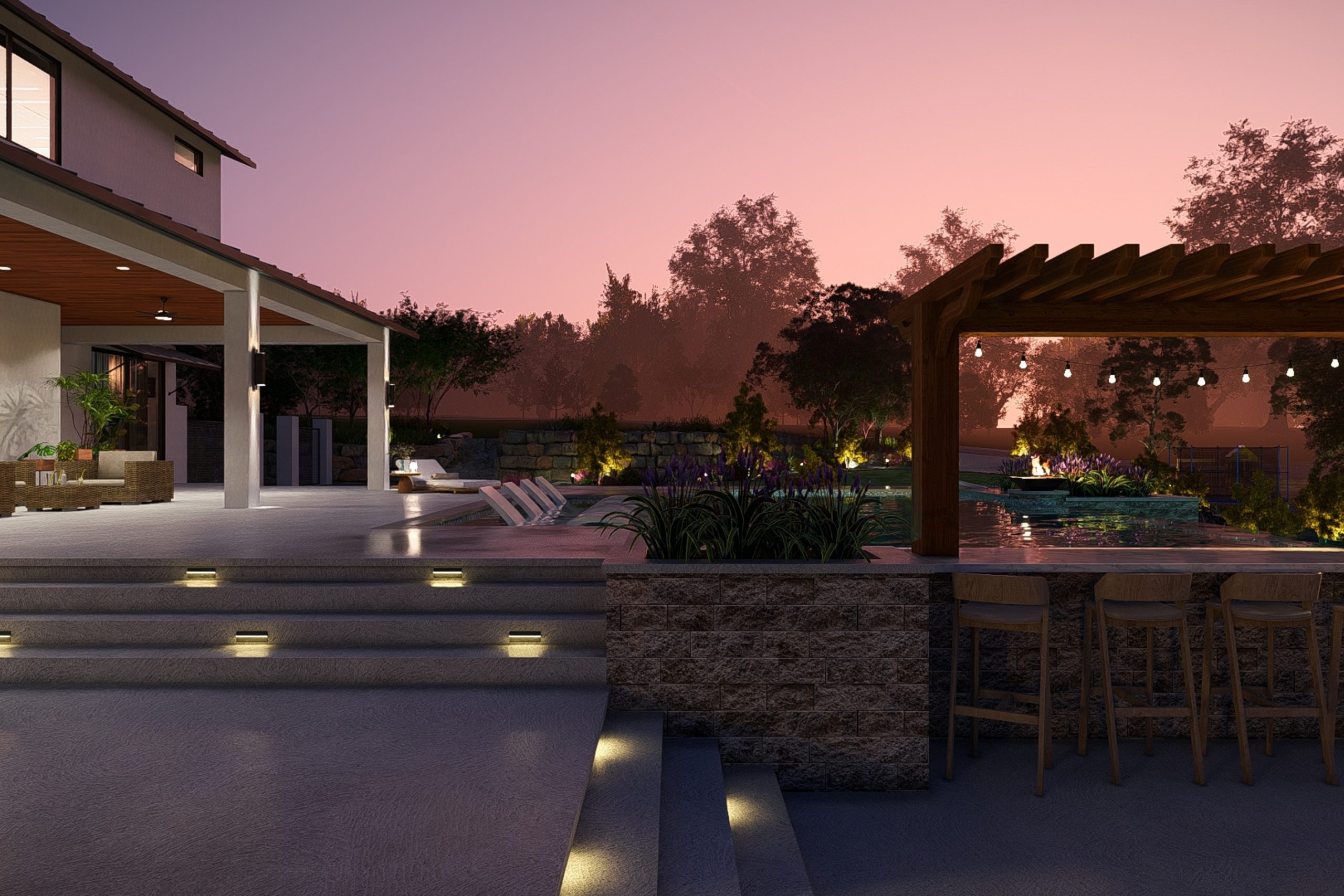
4. Integrate Lighting Into Hardscape Elements
Lighting should feel built in, not added on.

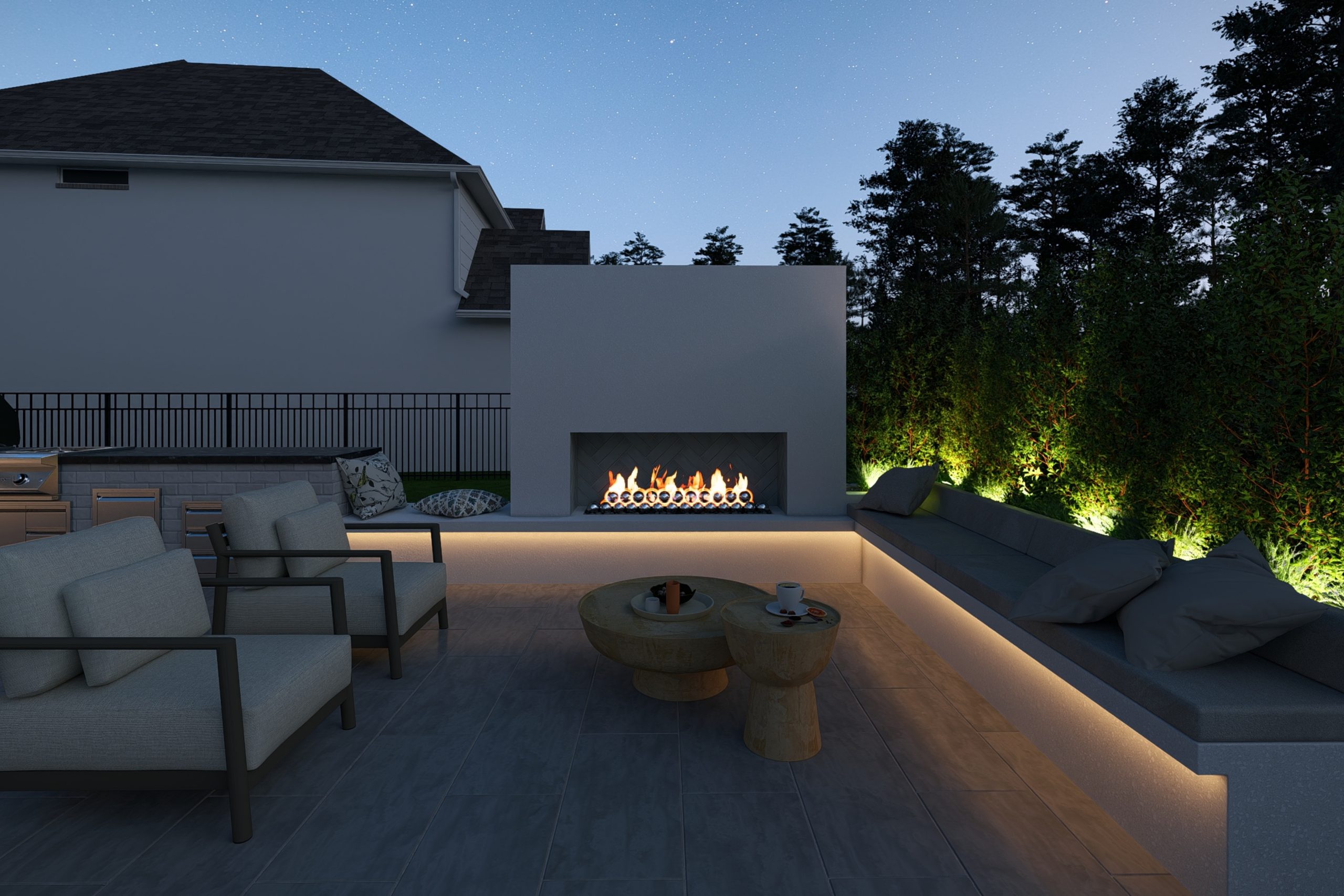
High impact integrations:
- Under cap wall lighting
- Bench seat strip lighting
- Step and riser lighting
- Pool coping LED accents
These subtle details separate standard installs from premium outdoor environments.
5. Control Systems and Smart Technology
Modern outdoor lighting is no longer just on or off. Smart lighting systems allow:
- Zoning different areas
- Adjusting brightness levels
- Scheduling automatic on and off times
- Integrating with home automation systems
These features add value and give homeowners full control of their outdoor environment.
6. Design Lighting Early in the Planning Process
Lighting should be considered during the initial design phase, not at the end. Showing clients both daytime and nighttime visuals significantly increases perceived value and improves close rates.
When lighting is part of the original site plan:
- Wiring can be concealed properly
- Fixtures can be integrated into walls and structures
- Budgets can reflect premium options
- 3D renderings can showcase the night view
Common Outdoor Lighting Mistakes to Avoid
- Overlighting the space
- Using inconsistent color temperatures
- Placing fixtures too close together
- Creating glare that shines into seating areas
- Treating lighting as an afterthought
Professional lighting design balances brightness, contrast, and shadow.
How Lighting Transforms the Client Experience
When homeowners see their backyard fully illuminated for the first time, the emotional impact is powerful.
Lighting:
- Extends entertaining hours
- Creates resort level ambiance
- Enhances security
- Makes materials look richer and more dynamic
For contractors, offering intentional lighting design is not just an upgrade. It is a competitive advantage.
Final Thoughts
Outdoor lighting design is one of the most effective ways to transform an ordinary backyard into an extraordinary outdoor living environment.
By layering light, highlighting vertical elements, integrating fixtures into hardscape features, and using smart controls, contractors can deliver projects that look exceptional both day and night.
If you want to elevate your outdoor designs, start thinking about lighting as a core system, not an add on.
Because the real magic often happens after sunset.