

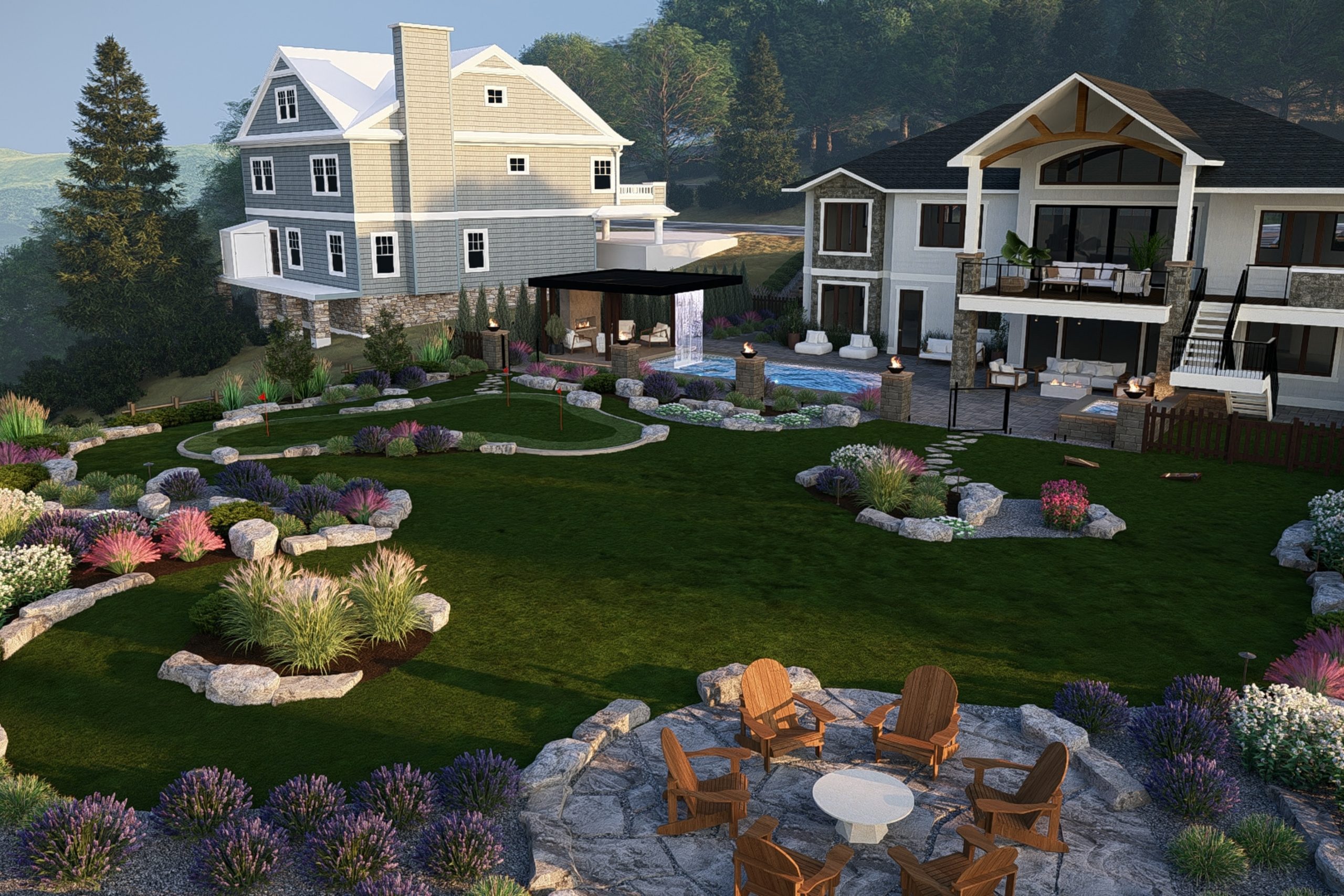

Outdoor landscaping is evolving faster than ever. Homeowners are no longer just asking for beautiful backyards. They want smart, efficient, environmentally responsible outdoor spaces that improve lifestyle and reduce long-term costs.
For contractors and design-build firms, understanding the future of landscaping means understanding two major forces shaping the industry: sustainability and technology.
Those who adapt early will win higher-value projects and build stronger long-term brands.
Why Sustainability Is No Longer Optional
Sustainability has shifted from a trend to an expectation. Clients are becoming more aware of water usage, material sourcing, and environmental impact.
Today’s homeowners want landscapes that:
- Conserve water
- Reduce maintenance
- Use durable, long-lasting materials
- Support native ecosystems
- Lower energy costs
In many regions, local regulations are also pushing contractors toward more water-efficient and environmentally responsible solutions.
Sustainable landscaping is not just good for the planet. It is good for business.
Water Efficiency Is Leading the Charge
Water management is one of the biggest priorities in modern landscaping. Forward-thinking contractors are incorporating:
- Drip irrigation systems
- Smart irrigation controllers
- Rainwater harvesting
- Permeable pavers
- Drought-tolerant planting palettes
Smart irrigation systems, such as those offered by companies allow homeowners to control watering from their phone and automatically adjust based on weather conditions.
This technology reduces water waste while maintaining healthy landscapes.
Native and Climate-Adapted Planting
Native planting reduces long-term costs for clients while creating a landscape that thrives naturally in its environment. This approach also positions contractors as knowledgeable, forward-thinking professionals rather than trend followers.
Instead of importing exotic plants that require heavy irrigation, designers are focusing on:
- Native species
- Regionally adapted plants
- Pollinator-friendly gardens
- Low-maintenance groundcovers
Smart Outdoor Living Technology
Technology is transforming outdoor spaces beyond irrigation. Modern outdoor projects are now integrating:
- App-controlled landscape lighting
- Automated pool systems
- Outdoor audio systems
- Smart fire features
- Weather-responsive shade structures
Lighting systems allow homeowners to adjust brightness, set scenes, and automate schedules. Smart outdoor spaces are becoming an extension of the smart home.
3D Design & Visualization Technology
Technology is not only impacting the finished landscape. It is transforming the design and sales process. Professional 3D renderings allow clients to:
- See sustainability features visually
- Understand grading and drainage
- Visualize material combinations
- Approve lighting placement
- Make faster decisions
Modern rendering software enables contractors to present highly realistic outdoor environments before construction begins. This reduces revisions, speeds up sales cycles, and increases client confidence.
Sustainable Materials Are Gaining Popularity
Manufacturers have seen significant growth due to demand for long-lasting, low-maintenance decking options. Durability and environmental responsibility now go hand in hand.
Clients are increasingly asking about:
- Recycled-content pavers
- Composite decking
- FSC-certified wood
- Low-carbon concrete alternatives
- Energy-efficient outdoor appliances
Data-Driven Landscaping Decisions
The future of landscaping will become more data-informed. Contractors can now use:
- Soil analysis technology
- Sun exposure mapping
- Climate data modeling
- Drainage simulation software
These tools help prevent costly mistakes and improve long-term performance of outdoor spaces. When you combine data with design, you deliver landscapes that function as well as they look.
How Contractors Can Prepare for the Future
Clients are willing to invest more when they understand the long-term value of sustainable and tech-integrated landscaping.
To stay competitive, contractors should:
- Invest in high-quality 3D visualization tools
- Educate teams on sustainable planting strategies
- Partner with eco-conscious material suppliers
- Offer smart irrigation and lighting upgrades
- Highlight sustainability in marketing materials
The Competitive Advantage
Sustainability and technology are not separate movements. They work together.
Smart irrigation conserves water. LED lighting reduces energy use. Composite decking reduces maintenance and replacement costs. 3D visualization reduces project waste and changes orders.
The contractors who embrace this shift will win higher-end clients, increase project value, improve efficiency, and build a stronger brand. The future of outdoor landscaping belongs to those who combine beautiful design with intelligent systems.
Final Thoughts
The outdoor living industry is entering a new era. Sustainability is shaping expectations. Technology is redefining possibilities. Contractors who position themselves at the intersection of both will not only survive industry changes. They will lead them.
Now is the time to evolve your design process, upgrade your tools, and align your brand with the future of outdoor landscaping.