


A great outdoor space does more than look nice. It feels inviting, functions well, and fits the way people actually live.
Whether you are designing for relaxation, entertaining, or everyday family use, the best outdoor spaces all share a few core elements. Get these right, and everything else becomes easier.
Here are the design elements every successful outdoor space should include.
1. Defined Gathering Areas
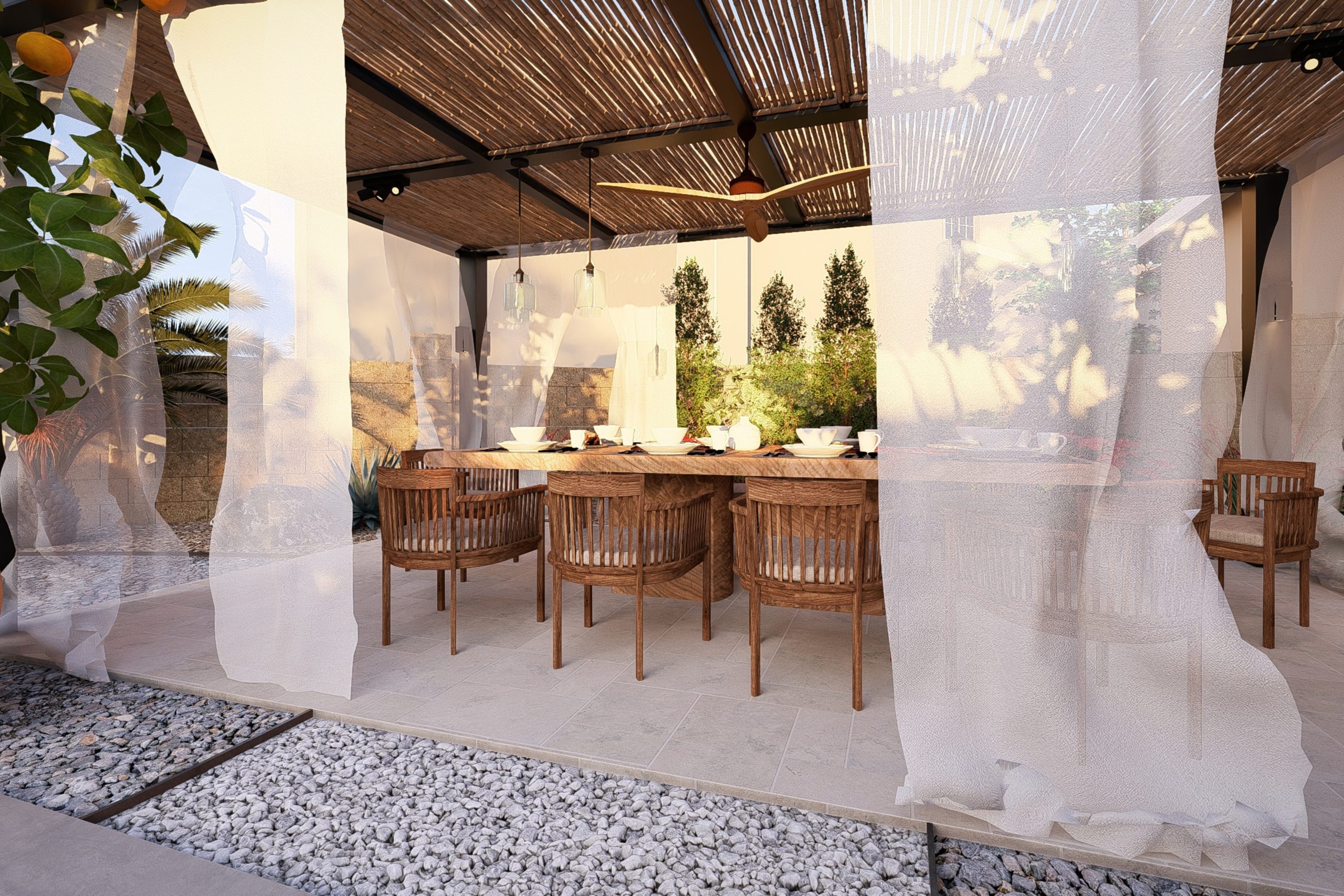
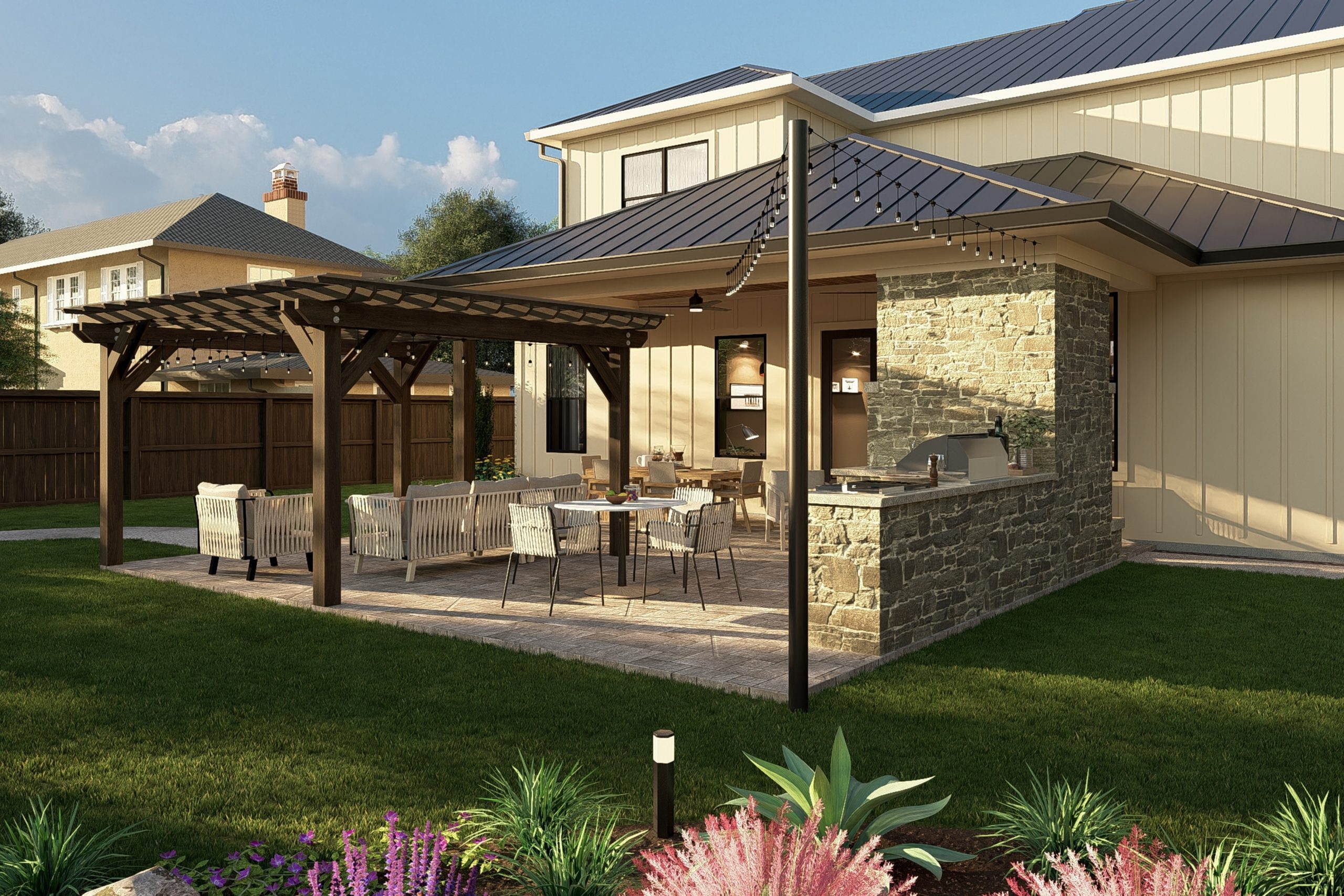
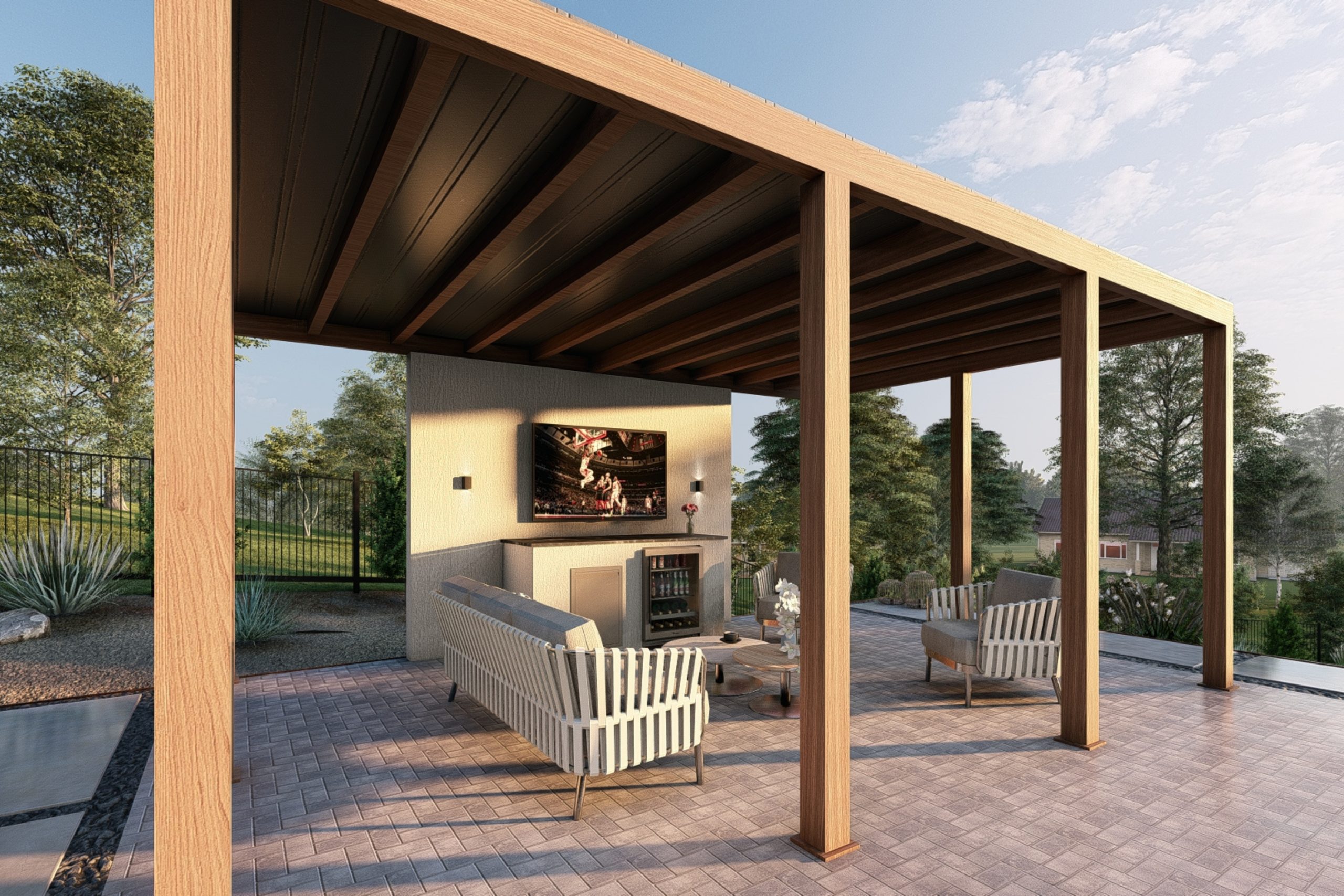
Every outdoor space needs clear places for people to sit and gather.
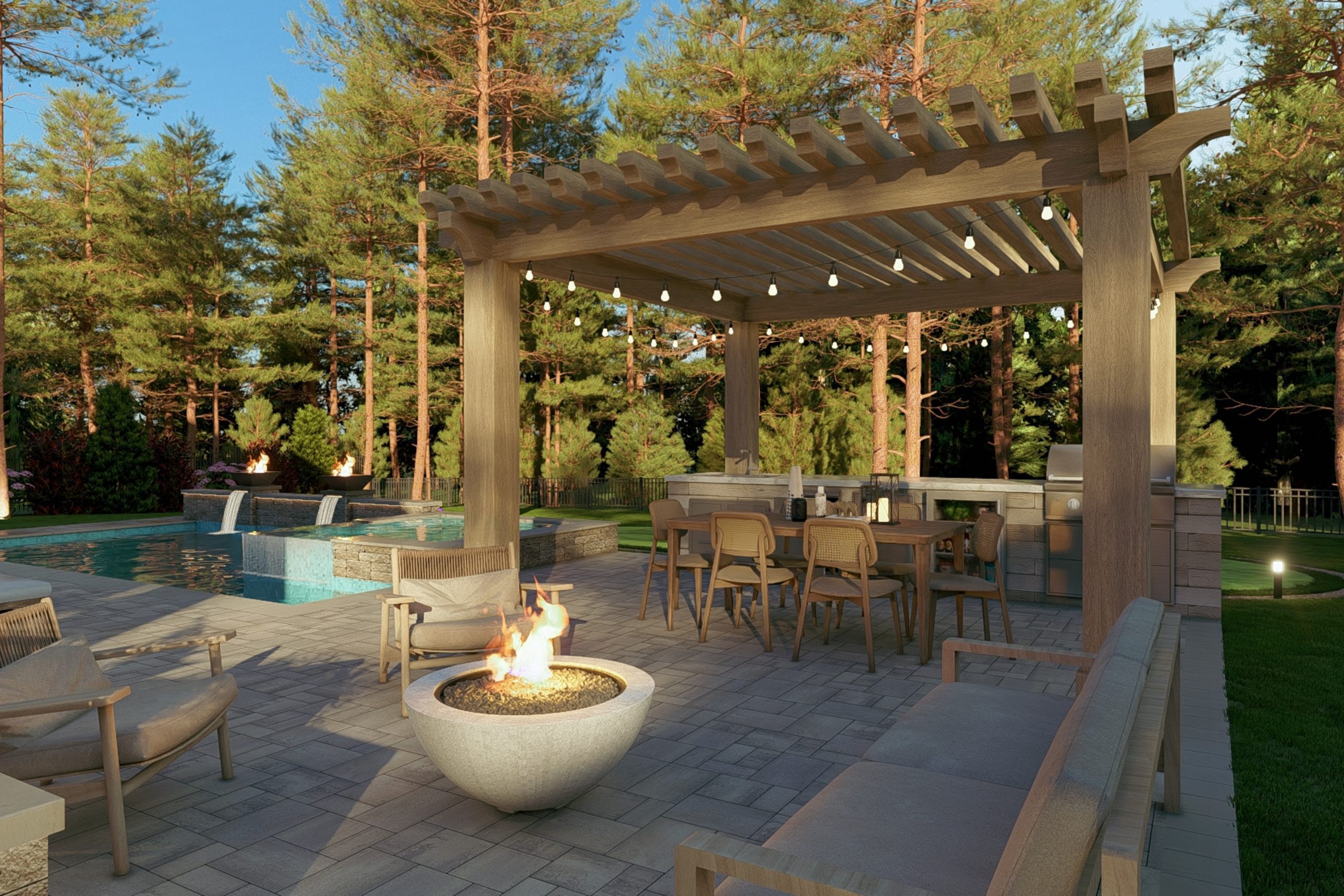
Think in “zones,” just like inside a home:
- A lounge area for relaxing
- A dining area for meals
- A fire pit or conversation space for evenings
Defined seating areas help the yard feel organized and intentional. They also guide traffic flow and show homeowners how the space is meant to be used.
If people cannot picture where they will sit, they will not fully connect with the design.
2. Hardscape That Creates Structure
Hardscape is the backbone of any outdoor design.
Patios, walkways, walls, and steps give the space structure and function. They define boundaries, support elevation changes, and create usable surfaces for furniture and foot traffic.
Strong hardscape design makes spaces feel grounded, improves drainage and circulation, adds visual balance, and reduces muddy or unusable areas
Without good hardscape, even beautiful landscaping can feel unfinished.
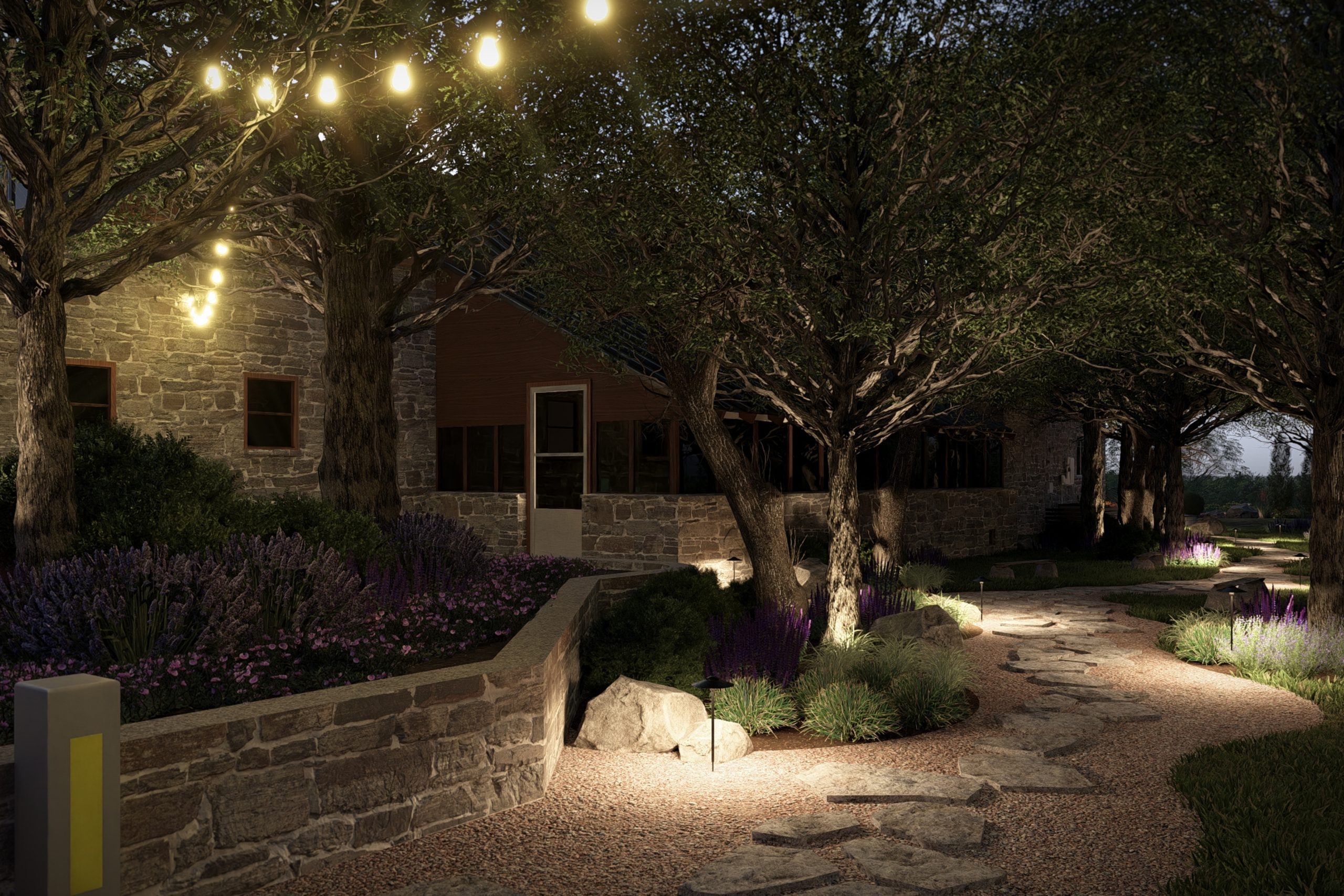
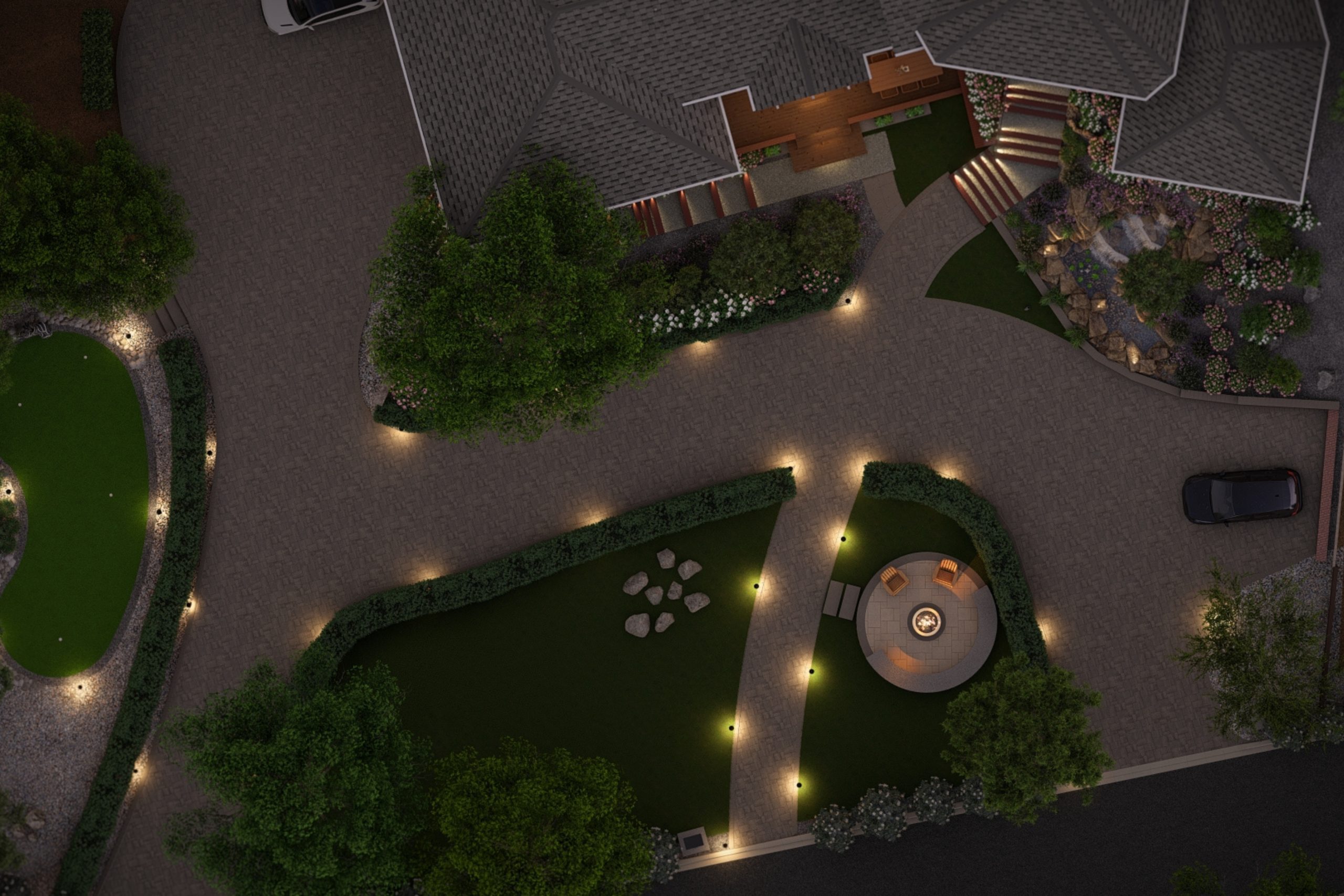
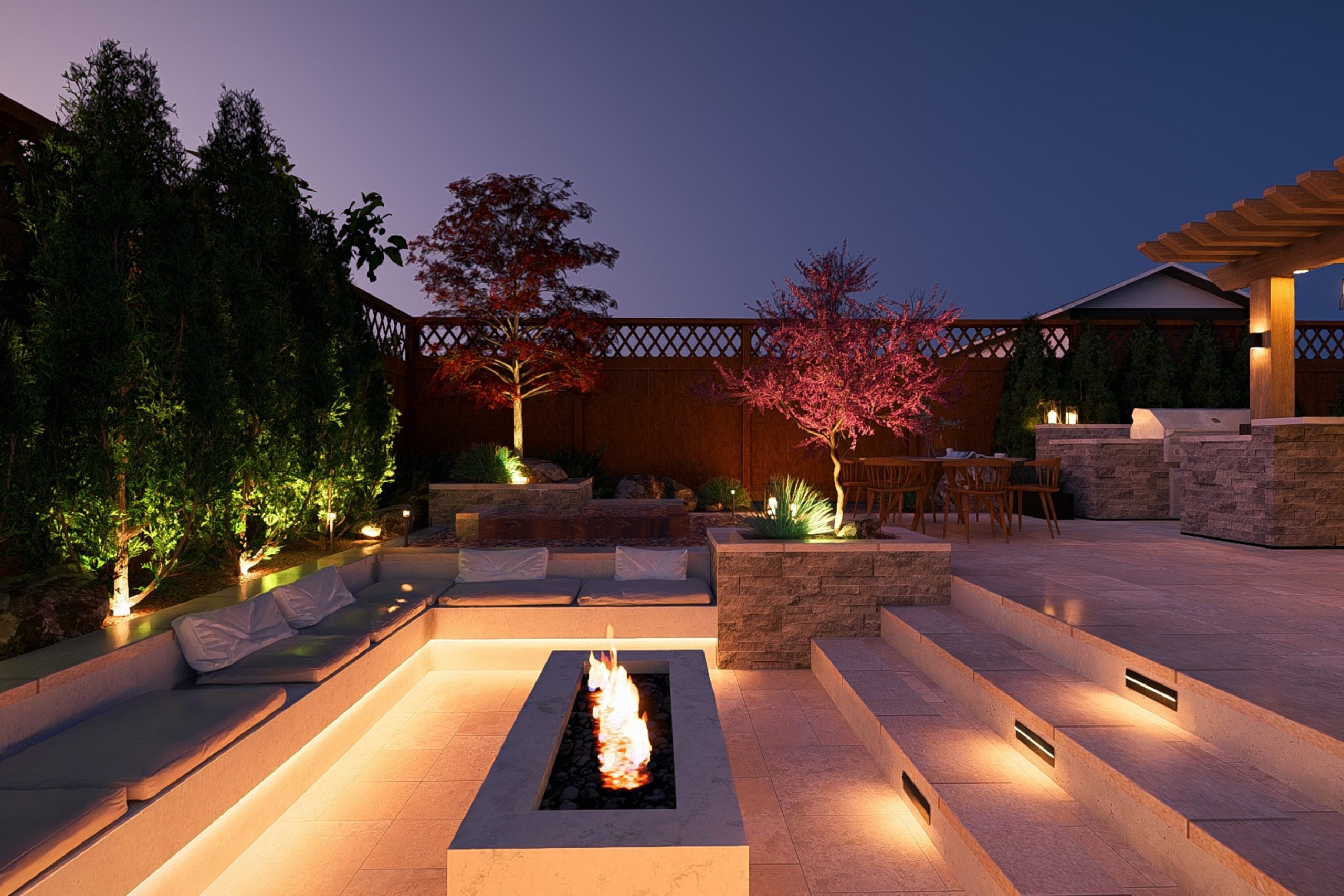
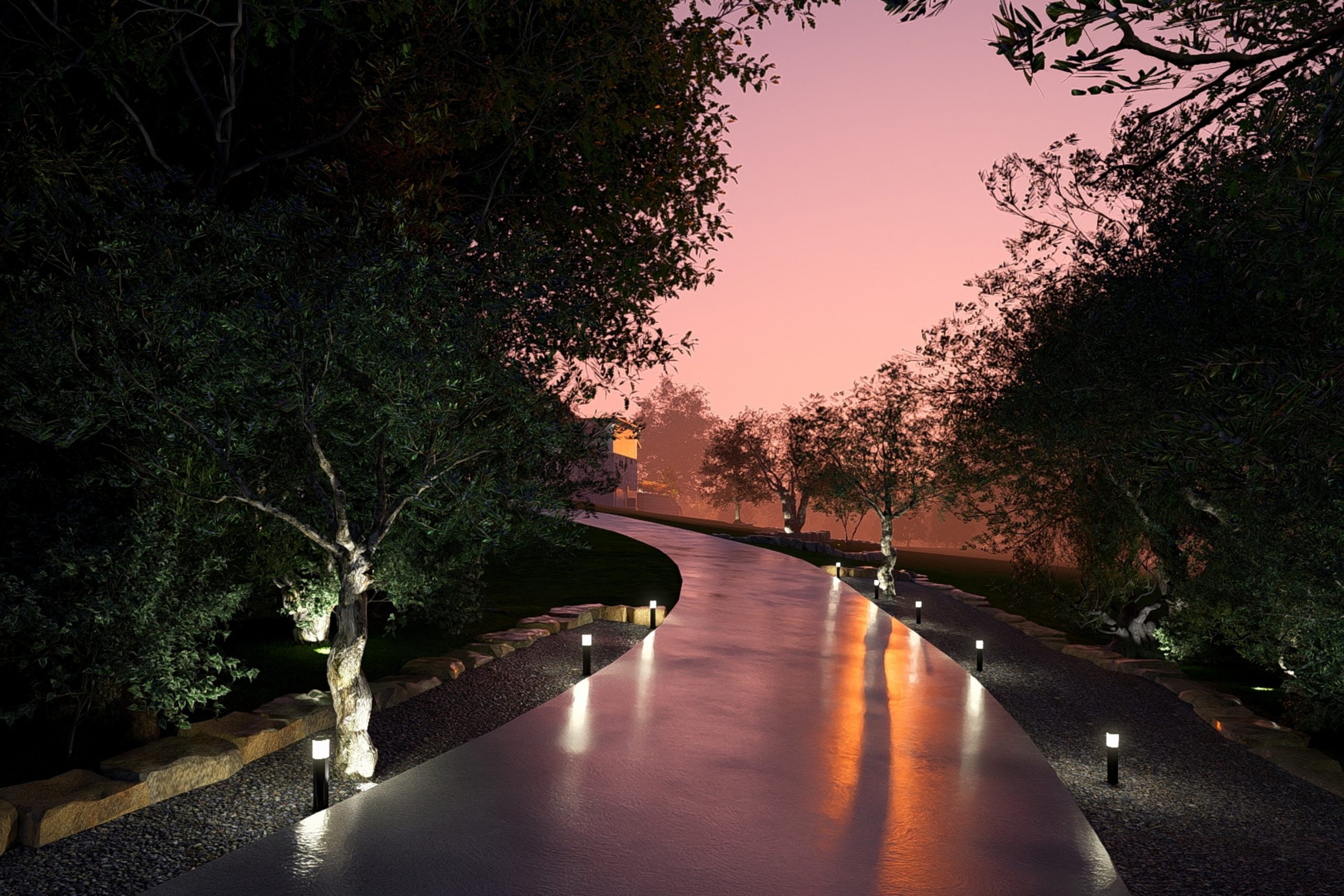
3. Lighting for Safety and Atmosphere
Lighting transforms outdoor spaces after sunset. It serves two major purposes.
First is for safety for paths, steps, and transitions, second is for ambiance for entertaining and relaxing.
Well-placed lighting highlights trees, walls, and focal points while making the space usable at night. Even simple lighting can dramatically increase how premium a project feels.
Outdoor living should not end when the sun goes down.
4. Thoughtful Planting Layers
Plants bring life to space.
Great outdoor designs use layered planting:
- Trees for height and shade
- Shrubs for structure and privacy
- Perennials and grasses for color and movement
This approach adds depth and keeps the yard interesting throughout the seasons. It also softens hard edges from patios and walls while helping define outdoor rooms.
Good planting design should feel natural but purposeful.
5. Shade and Comfort Features
Comfort is everything.
Shade structures like pergolas, covered patios, umbrellas, or shade sails make outdoor spaces usable during hot days. Add-ons like ceiling fans, privacy screens, or wind protection can take comfort even further.
If a space feels too exposed or too hot, it will not get used, no matter how nice it looks.
6. A Strong Focal Point
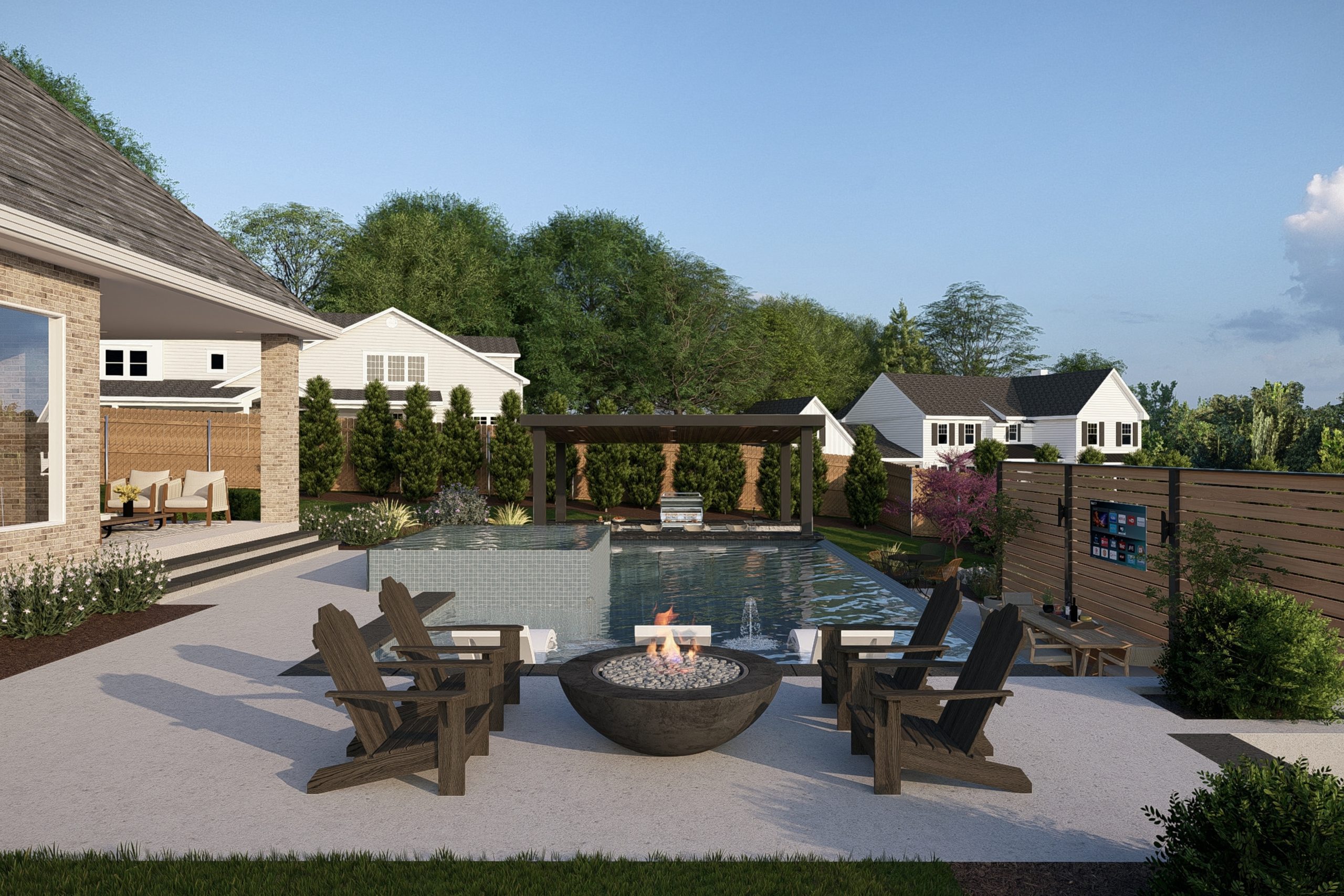
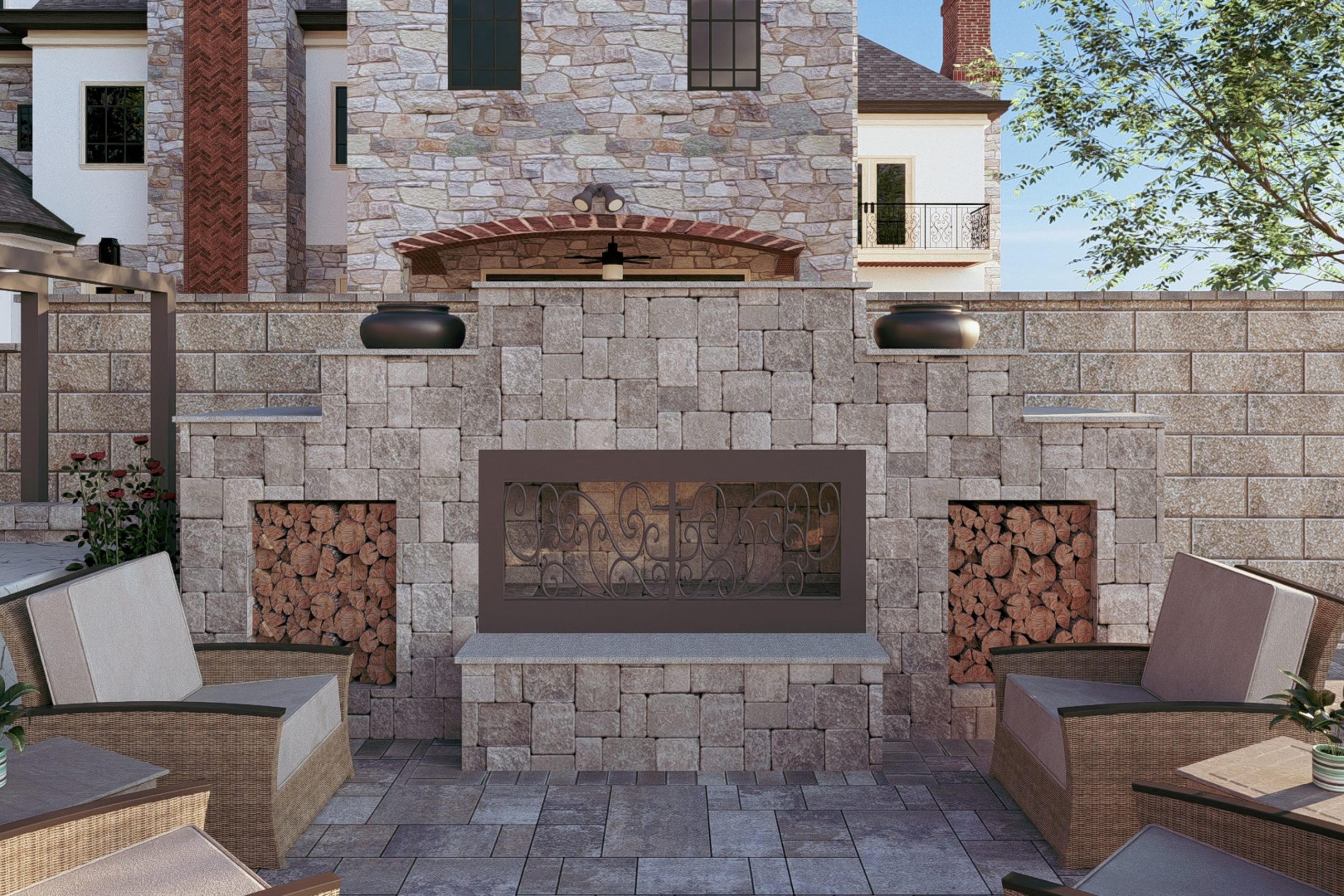
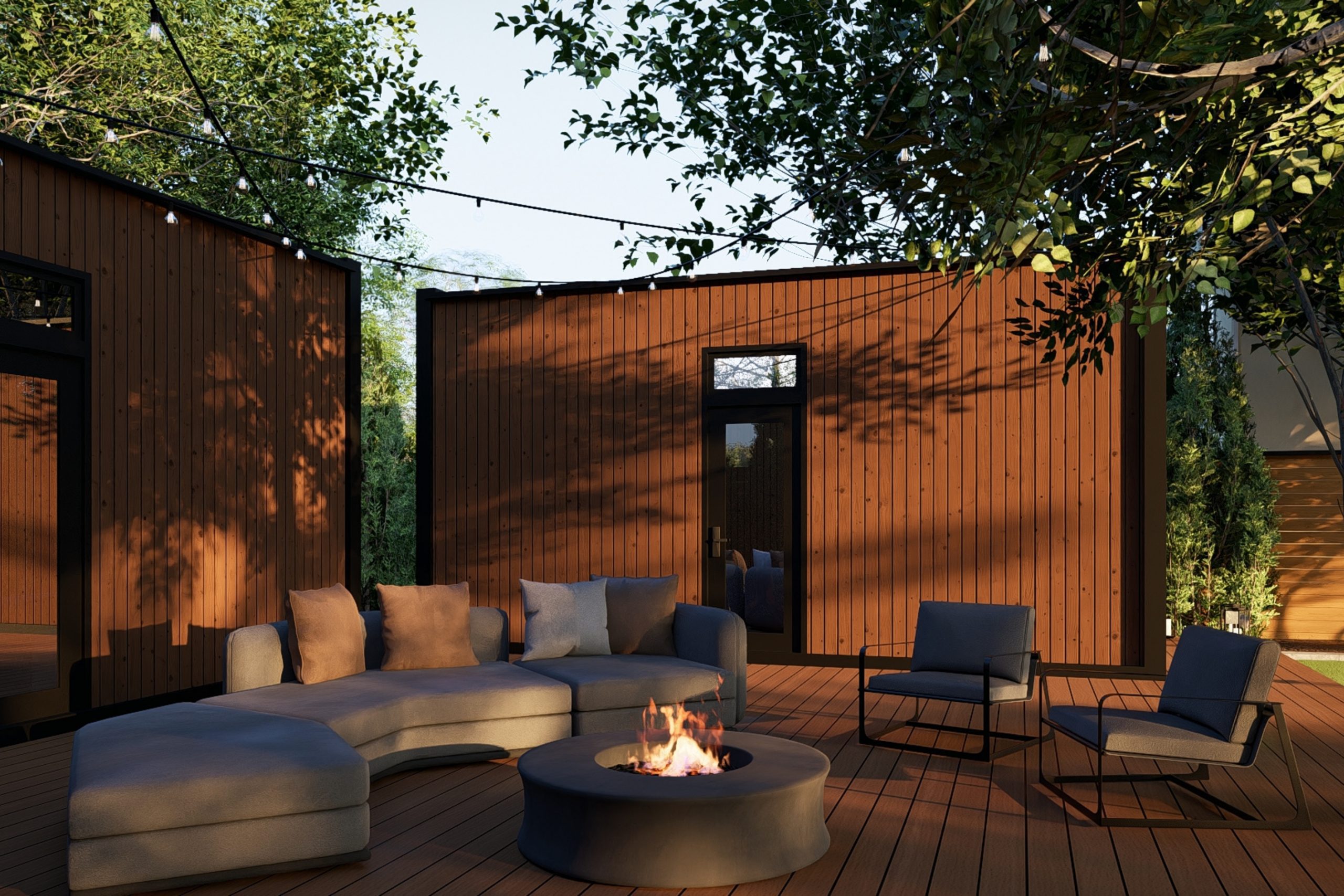
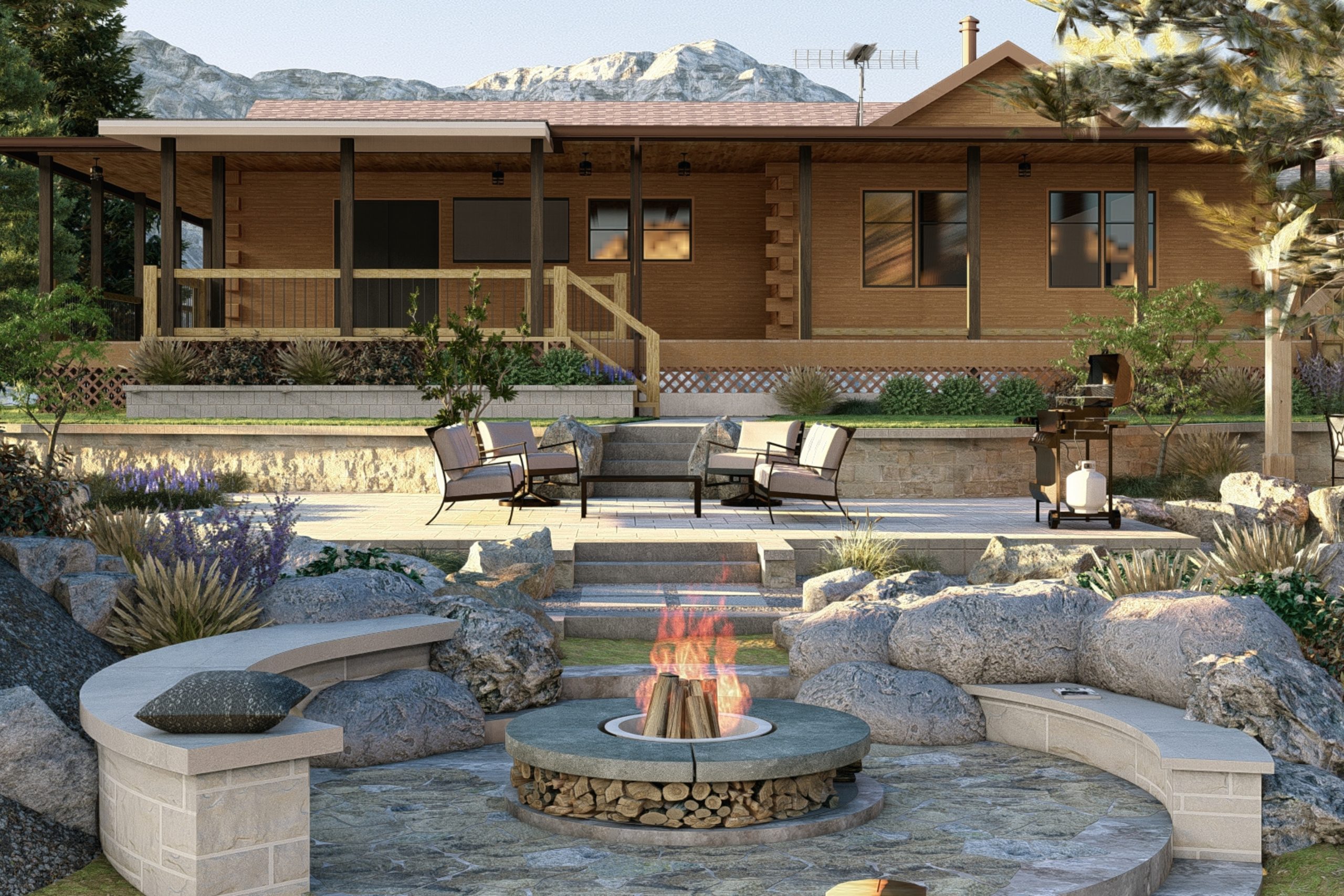
Every great outdoor space needs something that draws the eye. This could be a fire feature, a water element, a pergola or pavilion, or a statement planting area.
Focal points anchor the design and give the space personality. They also help guide layout decisions for seating and circulation.
Without a focal point, outdoor spaces can feel flat or scattered.
Final Thoughts
The best outdoor spaces balance beauty and function.
When you combine gathering areas, strong hardscape, layered planting, lighting, comfort features, and a clear focal point, you create spaces that feel complete and intentional.
These elements work together to turn ordinary backyards into true outdoor living environments.